
Uganda Responsible Travel
Uganda Responsible Travel
Uganda Responsible Travel: Exploring the Pearl of Africa Sustainably
Introduction
Welcome to the enchanting land of Uganda, a country that is not only blessed with breathtaking natural beauty but also a rich cultural heritage. From the snow-capped peaks of the Rwenzori Mountains to the vast savannahs of the Kidepo Valley, Uganda offers a diverse range of experiences for every traveler. However, as responsible travelers, it is important for us to explore this magnificent country in a sustainable and ethical manner. In this article, we will delve into the concept of responsible travel in Uganda and discover how we can make a positive impact on the environment, communities, and wildlife during our visit.
What is Responsible Travel?
Responsible travel, also known as sustainable tourism or eco-tourism, is a way of traveling that aims to minimize the negative impact on the environment and maximize the benefits for local communities. It involves making conscious choices that promote environmental conservation, cultural preservation, and economic development. Responsible travel is all about leaving a positive footprint and ensuring that future generations can also enjoy the wonders of the destinations we visit.
Why Choose Uganda for Responsible Travel?
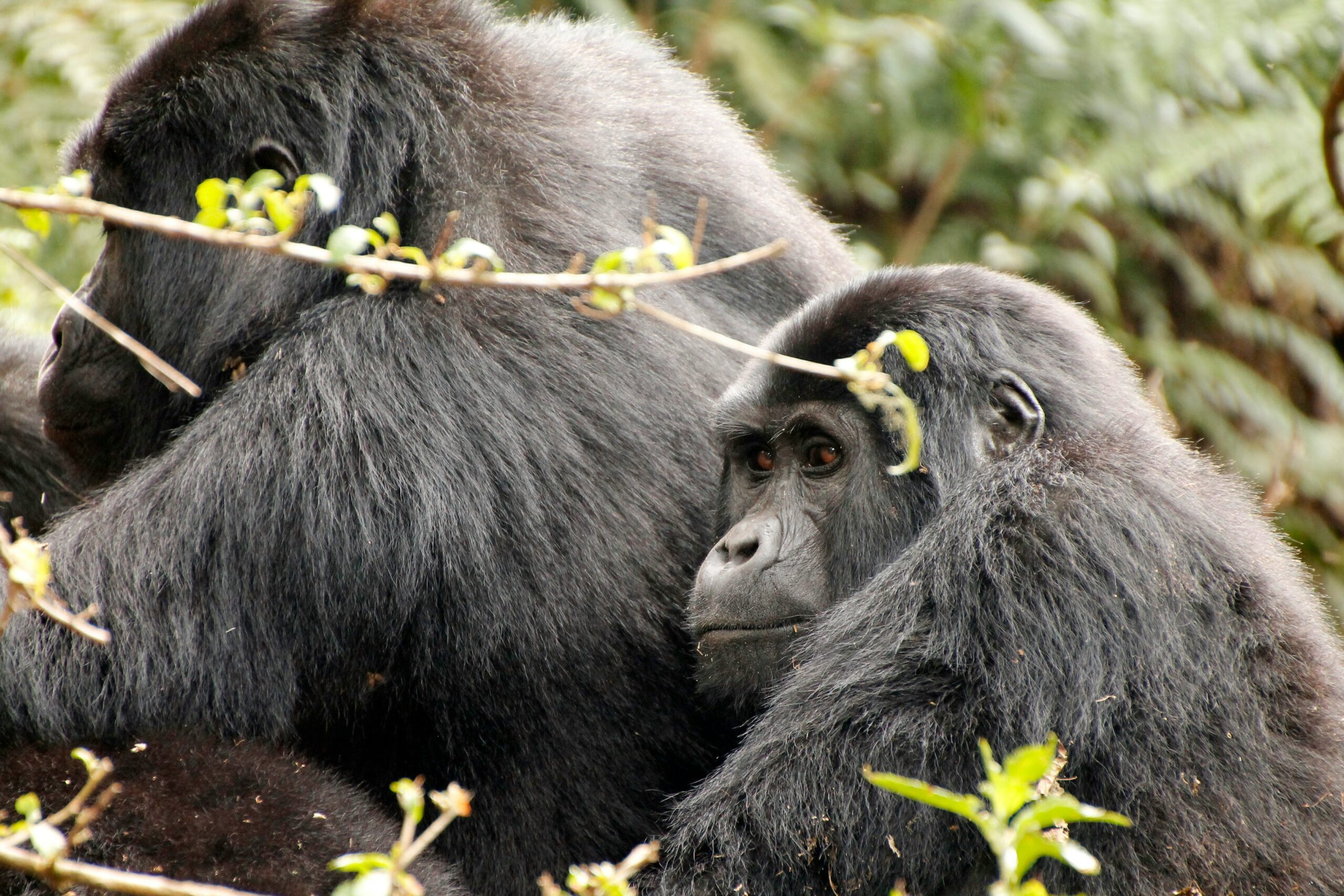
Uganda, often referred to as the “Pearl of Africa,” is a perfect destination for responsible travelers. The country is home to an incredible array of wildlife, including the iconic mountain gorillas, chimpanzees, elephants, and a wide variety of bird species. By choosing Uganda for your next travel adventure, you can contribute to the conservation efforts aimed at protecting these precious creatures and their habitats.
Conservation Efforts in Uganda
Uganda has made significant strides in conservation over the years. The country has established several national parks, such as Bwindi Impenetrable National Park and Queen Elizabeth National Park, which are dedicated to protecting the diverse flora and fauna. These parks offer visitors a chance to witness the beauty of nature up close while supporting the conservation initiatives through park fees and guided tours.
Supporting Local Communities
Responsible travel in Uganda goes beyond wildlife conservation. It also involves supporting local communities and empowering them economically. By staying in locally-owned accommodations, dining at local restaurants, and purchasing handicrafts directly from artisans, you can contribute to the livelihoods of the people who call Uganda their home. This not only helps to preserve their cultural heritage but also ensures that tourism dollars directly benefit the local economy.
Sustainable Accommodations
When it comes to responsible travel, choosing the right accommodation is crucial. Fortunately, Uganda offers a range of eco-friendly and sustainable lodging options. From eco-lodges powered by renewable energy to community-owned guesthouses, you can find accommodations that align with your values and support sustainable practices. These establishments often provide employment opportunities for local communities and implement eco-friendly initiatives such as waste management and water conservation.
Responsible Wildlife Experiences
One of the highlights of traveling to Uganda is the opportunity to encounter its incredible wildlife. However, it is important to choose responsible wildlife experiences that prioritize the well-being of the animals. When visiting the gorillas or chimpanzees, opt for reputable tour operators who adhere to strict guidelines to ensure the safety and comfort of the animals. Avoid any activities that involve animal exploitation or contribute to the illegal wildlife trade.
Responsible Trekking and Hiking
Uganda is a paradise for outdoor enthusiasts, with its diverse landscapes offering endless opportunities for trekking and hiking. Whether you’re scaling the peaks of the Rwenzori Mountains or exploring the lush forests of Kibale National Park, it is important to practice responsible trekking. Stick to designated trails, respect the natural environment, and avoid littering. Additionally, hiring local guides not only enhances your experience but also supports the livelihoods of the local communities.
Frequently Asked Questions (FAQ)
1. Is Uganda safe for responsible travelers?
Uganda is generally a safe country for responsible travelers. However, it is important to take necessary precautions, such as avoiding isolated areas at night and staying informed about any travel advisories. It is also advisable to travel with a reputable tour operator who has experience in responsible travel practices.
2. How can I contribute to wildlife conservation in Uganda?
You can contribute to wildlife conservation in Uganda by visiting national parks and paying park fees, supporting conservation organizations, and choosing responsible wildlife experiences that prioritize the well-being of animals. Additionally, spreading awareness about the importance of conservation among your friends and family can also make a positive impact.
3. Are there any responsible volunteering opportunities in Uganda?
Yes, there are several responsible volunteering opportunities in Uganda. These opportunities allow you to actively participate in community development, conservation projects, and education initiatives. It is important to choose reputable organizations that have a transparent and sustainable approach to volunteering.
4. What are some sustainable souvenirs I can purchase in Uganda?
Uganda is known for its vibrant arts and crafts scene. When purchasing souvenirs, opt for locally-made products such as handcrafted jewelry, woven baskets, and traditional artwork. By buying directly from local artisans, you are supporting their livelihoods and preserving their cultural heritage.
5. How can I minimize my carbon footprint while traveling in Uganda?
To minimize your carbon footprint while traveling in Uganda, consider offsetting your carbon emissions by supporting carbon offset projects. Choose eco-friendly transportation options, such as public buses or shared taxis, whenever possible. Additionally, conserve energy and water by practicing responsible usage in your accommodations and be mindful of waste management by reducing, reusing, and recycling.
Conclusion
Uganda offers a unique and enriching travel experience for responsible travelers. By choosing to explore this beautiful country in a sustainable and ethical manner, you can make a positive impact on the environment, support local communities, and contribute to wildlife conservation efforts. Remember to choose responsible accommodations, wildlife experiences, and trekking practices, and consider volunteering or purchasing sustainable souvenirs to further support the local economy. Let us embrace responsible travel and ensure that the natural and cultural treasures of Uganda are preserved for generations to come.