
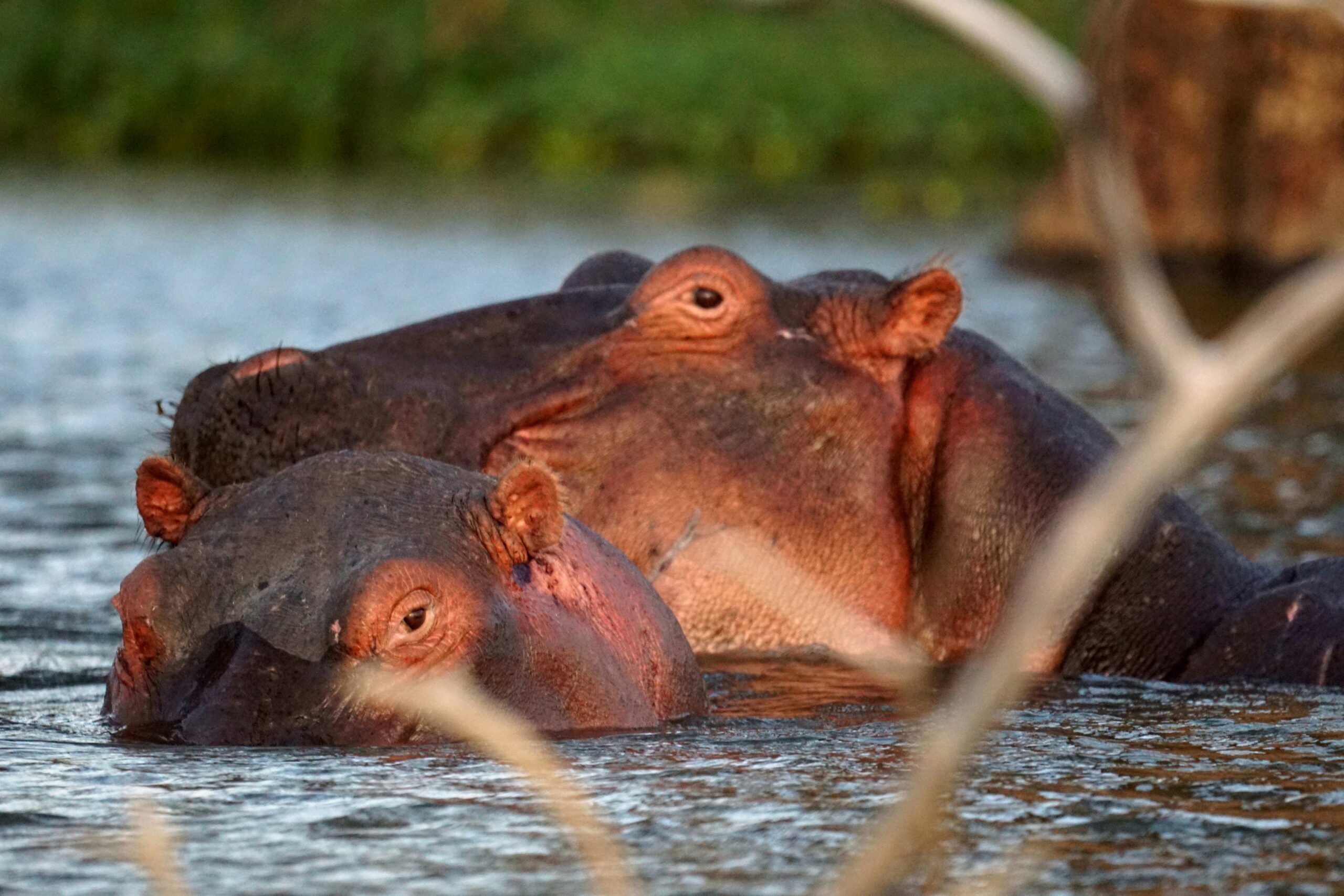
Wildlife conservation in East Africa
Wildlife Conservation in East Africa
Introduction
East Africa is known for its rich biodiversity and stunning landscapes, making it a haven for wildlife enthusiasts and nature lovers. The region is home to some of the most iconic and endangered species on the planet, including elephants, lions, rhinos, and gorillas. However, the rapid growth of human populations, habitat loss, poaching, and climate change pose significant threats to the survival of these magnificent creatures. In response to these challenges, various conservation organizations and initiatives have been established to protect and preserve East Africa’s wildlife. This article will delve into the importance of wildlife conservation in East Africa, the efforts being made to safeguard its unique fauna, and the impact of these initiatives on local communities and the global ecosystem.
The Significance of Wildlife Conservation
Wildlife conservation plays a crucial role in maintaining the delicate balance of ecosystems. East Africa’s diverse wildlife not only contributes to the region’s natural heritage but also provides numerous ecological, economic, and cultural benefits. Here are some key reasons why wildlife conservation is of utmost importance:
Biodiversity Preservation: East Africa is a hotspot of biodiversity, with a wide range of species found nowhere else on Earth. Protecting these unique plants and animals ensures the preservation of genetic diversity and the potential for future scientific discoveries.
Ecosystem Stability: Wildlife species are integral to the functioning of ecosystems. They play vital roles in pollination, seed dispersal, nutrient cycling, and maintaining the balance between predator and prey populations. By conserving wildlife, we help maintain the stability and resilience of East Africa’s ecosystems.
Tourism and Economic Benefits: East Africa’s wildlife draws millions of tourists each year, contributing significantly to the region’s economy. Safaris, wildlife reserves, and national parks provide employment opportunities for local communities, generating income and promoting sustainable development.
Cultural Heritage: Wildlife holds immense cultural significance for the indigenous communities of East Africa. Many traditional practices, rituals, and beliefs are deeply intertwined with the region’s fauna. Conserving wildlife helps preserve these cultural traditions and promotes cultural diversity.
Conservation Initiatives in East Africa
East Africa has witnessed the establishment of numerous conservation initiatives aimed at protecting its unique wildlife. These initiatives employ various strategies and approaches to address the challenges faced by the region’s fauna. Here are some notable conservation efforts:
Protected Areas: National parks and wildlife reserves serve as crucial sanctuaries for East Africa’s wildlife. These protected areas, such as the Maasai Mara National Reserve in Kenya and the Serengeti National Park in Tanzania, provide safe habitats for a wide range of species and offer opportunities for eco-tourism.
Community-Based Conservation: Engaging local communities in wildlife conservation is essential for long-term success. Community-based conservation initiatives empower local people to participate in conservation efforts, providing them with incentives to protect wildlife and natural resources. This approach fosters a sense of ownership and responsibility among community members.
Anti-Poaching Measures: Poaching remains a significant threat to East Africa’s wildlife, particularly for species like elephants and rhinos targeted for their ivory and horns. Anti-poaching units, supported by government agencies and non-profit organizations, work tirelessly to combat illegal wildlife trade and enforce strict regulations.
Conservation Education and Awareness: Educating the public about the importance of wildlife conservation is crucial for fostering a culture of environmental stewardship. Conservation organizations conduct awareness campaigns, school programs, and community workshops to promote sustainable practices and raise awareness about the value of East Africa’s wildlife.
Impact on Local Communities and the Global Ecosystem
Efforts to conserve wildlife in East Africa have far-reaching impacts, both at the local and global levels. Here are some notable effects:
Livelihoods and Poverty Alleviation: Conservation initiatives create employment opportunities for local communities through eco-tourism, park management, and community-based conservation projects. This helps alleviate poverty and improve the standard of living for people living in proximity to protected areas.
Ecosystem Services: By protecting wildlife, we ensure the provision of vital ecosystem services, such as clean air, water, and soil. Healthy ecosystems support agriculture, provide natural resources, and contribute to climate regulation, benefiting both local communities and the global population.
Research and Scientific Advancement: East Africa’s unique wildlife provides a platform for scientific research and discovery. Studying these species helps advance our understanding of ecology, behavior, and evolutionary processes, contributing to global scientific knowledge.
Conservation as a Global Responsibility: The conservation of East Africa’s wildlife is not limited to the region itself. It is a shared responsibility of the global community to support and contribute to these efforts. Collaborative initiatives, funding, and international cooperation are essential for the long-term success of wildlife conservation in East Africa.
Frequently Asked Questions (FAQ)
Q1: How can I contribute to wildlife conservation in East Africa?
A1: There are several ways you can contribute to wildlife conservation in East Africa. Here are a few suggestions:
Support reputable conservation organizations working in the region through donations or volunteer work.
Choose eco-friendly tourism options that prioritize wildlife conservation and sustainable practices.
Educate yourself and others about the importance of wildlife conservation and the challenges faced by East Africa’s fauna.
Avoid purchasing products made from endangered species, such as ivory or animal skins.
Advocate for stronger laws and regulations against poaching and illegal wildlife trade.
Q2: Are there any success stories in wildlife conservation in East Africa?
A2: Yes, there have been notable success stories in wildlife conservation in East Africa. For example, the conservation efforts in the Amboseli National Park in Kenya have led to the recovery of elephant populations and the protection of their habitats. The reintroduction of black rhinos in Tanzania’s Serengeti National Park has also been a success, with the population steadily increasing. These achievements demonstrate the positive impact of conservation initiatives and the potential for recovery and restoration of endangered species.
Q3: What are the main challenges faced by wildlife conservation in East Africa?
A3: Wildlife conservation in East Africa faces several challenges, including:
Habitat loss and fragmentation due to human activities, such as agriculture, urbanization, and infrastructure development.
Poaching for illegal wildlife trade, particularly for ivory, rhino horns, and bushmeat.
Human-wildlife conflicts, as the expanding human population encroaches on wildlife habitats.
Climate change, which affects ecosystems and disrupts wildlife migration patterns and breeding cycles.
Q4: How does wildlife conservation benefit local communities in East Africa?
A4: Wildlife conservation initiatives in East Africa can have significant benefits for local communities, including:
Employment opportunities in eco-tourism, park management, and community-based conservation projects.
Income generation through tourism-related activities, such as guiding, hospitality, and crafts.
Improved access to education, healthcare, and infrastructure development supported by conservation organizations.
Preservation of cultural heritage and traditional practices linked to wildlife and natural resources.
Q5: What role does international collaboration play in wildlife conservation in East Africa?
A5: International collaboration is crucial for the success of wildlife conservation in East Africa. It involves sharing knowledge, resources, and expertise among countries, organizations, and individuals. International cooperation helps address transboundary conservation challenges, supports research and monitoring efforts, and provides funding for conservation initiatives. It also raises awareness globally about the importance of protecting East Africa’s wildlife and encourages responsible tourism practices.
Conclusion
Wildlife conservation in East Africa is a vital endeavor that requires concerted efforts from governments, organizations, local communities, and individuals. By protecting and preserving the region’s unique fauna, we ensure the continued existence of diverse ecosystems, contribute to local economies, and safeguard cultural heritage. The challenges faced by wildlife conservation in East Africa are significant, but with continued dedication, international collaboration, and public support, we can secure a future where humans and wildlife coexist harmoniously, ensuring the survival of these magnificent creatures for generations to come.