
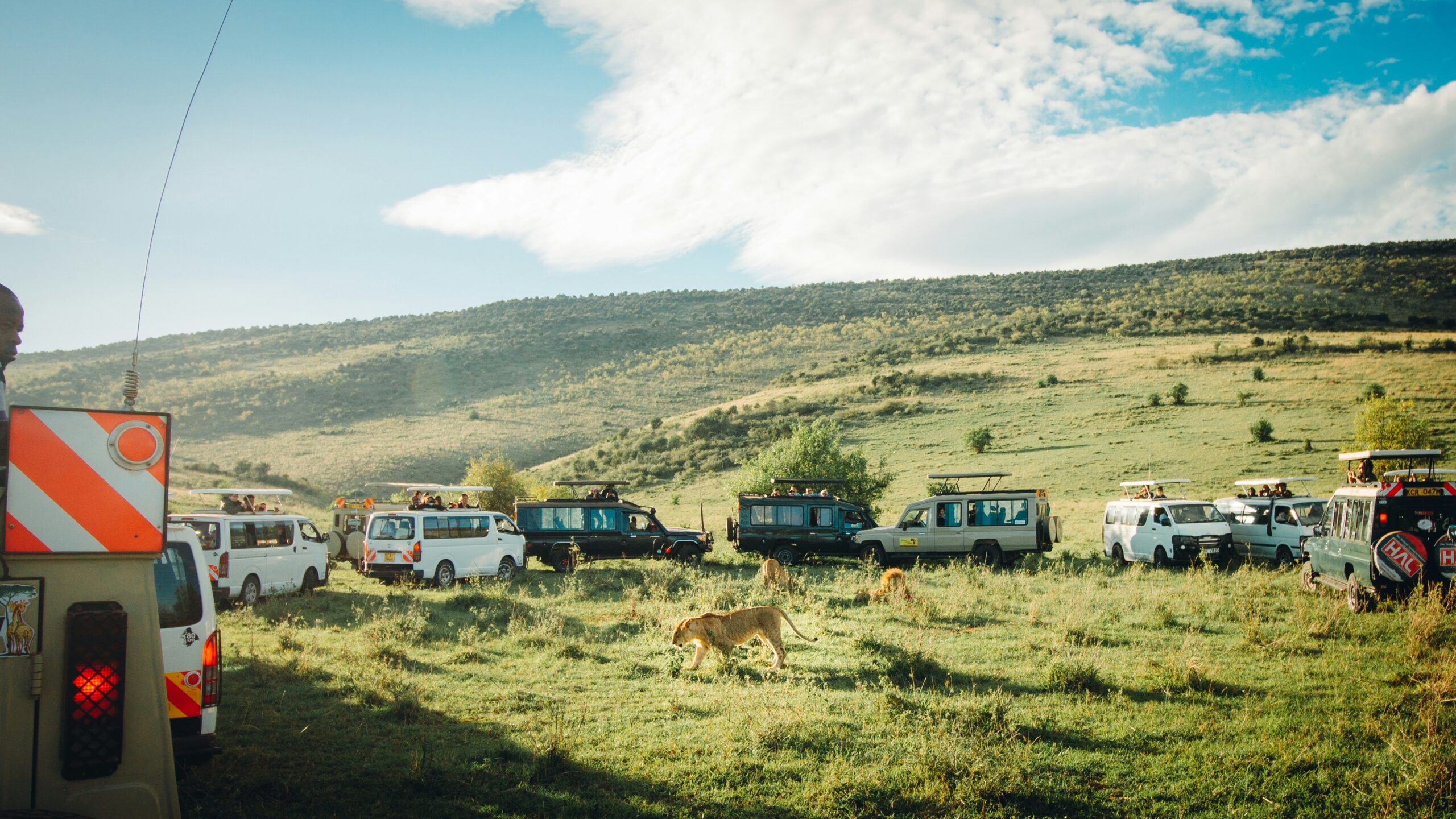
Safari with Kids
Safari with Kids
Safari with Kids: An Unforgettable Family Adventure
Introduction
Embarking on a safari with kids can be a thrilling and educational experience for the entire family. Imagine the excitement of seeing wild animals in their natural habitat, the joy of learning about different ecosystems, and the bonding moments that come with shared adventures. This comprehensive guide will provide you with everything you need to know to plan a successful and unforgettable safari with your children.
Why Choose a Safari for a Family Vacation?
Educational Opportunities
A safari offers a unique educational experience that goes beyond traditional classroom learning. Children can observe wildlife up close, learn about conservation efforts, and gain a deeper understanding of the natural world. This hands-on learning can spark a lifelong interest in nature and wildlife.
Family Bonding
Spending time together in a new and exciting environment can strengthen family bonds. The shared experiences of spotting a lion, watching a herd of elephants, or listening to the sounds of the African bush can create lasting memories and bring families closer together.
Adventure and Excitement
A safari is an adventure like no other. From the thrill of tracking animals to the excitement of a game drive, there is always something new and exciting to discover. This sense of adventure can be particularly appealing to children, making the trip an unforgettable experience.
Choosing the Right Safari Destination
Best Safari Destinations for Families
When planning a safari with kids, it’s important to choose a destination that is family-friendly and offers a variety of activities suitable for children. Some of the best safari destinations for families include:
- Murchison Falls National Park: Offers spectacular views of the waterfall and a variety of wildlife.
- Kenya: Home to the famous Maasai Mara, Kenya offers a variety of family-friendly safari options. Many lodges and camps provide special programs for children, including guided nature walks and educational activities.
- Tanzania: With its diverse landscapes and abundant wildlife, Tanzania is an excellent choice for a family safari. The Serengeti and Ngorongoro Crater are must-visit destinations.
Factors to Consider
When choosing a safari destination, consider the following factors:
- Malaria Risk: Some safari destinations are located in malaria-prone areas. If you prefer to avoid malaria risk, consider destinations like South Africa’s malaria-free reserves.
- Travel Distance: Long flights and extensive travel can be challenging for young children. Choose a destination that is easily accessible and minimizes travel time.
- Child-Friendly Accommodations: Look for lodges and camps that cater to families and offer amenities such as family suites, child-friendly meals, and activities for kids.
Planning Your Safari
Best Time to Go
The best time to go on a safari depends on the destination and the type of wildlife you want to see. Generally, the dry season (June to October) is the best time for wildlife viewing, as animals gather around water sources. However, each destination has its own peak seasons and unique wildlife experiences.
What to Pack
Packing for a safari with kids requires careful planning. Here are some essential items to include:
- Clothing: Lightweight, breathable clothing in neutral colors, hats, and sunglasses.
- Footwear: Comfortable walking shoes and sandals.
- Sun Protection: Sunscreen, lip balm, and insect repellent.
- Binoculars and Cameras: For wildlife viewing and capturing memories.
- First Aid Kit: Include any necessary medications and basic first aid supplies.
- Entertainment: Books, games, and activities to keep kids entertained during downtime.
Health and Safety
Ensuring the health and safety of your family is a top priority. Here are some tips:
- Vaccinations: Check with your healthcare provider for any recommended vaccinations.
- Malaria Prevention: If traveling to a malaria-prone area, take appropriate precautions, such as antimalarial medication and insect repellent.
- Stay Hydrated: Drink plenty of water to stay hydrated, especially in hot climates.
- Follow Guidelines: Adhere to safety guidelines provided by your safari guide and lodge staff.
Activities for Kids on Safari
Game Drives
Game drives are the highlight of any safari. Many lodges offer shorter, child-friendly game drives with guides who are experienced in working with children. These drives provide an opportunity to see a variety of wildlife and learn about the ecosystem.
Nature Walks
Guided nature walks are a great way for kids to explore the bush and learn about the smaller creatures and plants that are often overlooked. Many lodges offer special nature walks designed for children, led by knowledgeable guides.
Educational Programs
Many family-friendly lodges and camps offer educational programs for children. These programs may include activities such as tracking animals, learning about conservation efforts, and participating in hands-on projects.
Cultural Experiences
A safari is also an opportunity to learn about the local culture. Many lodges offer cultural experiences, such as visits to local villages, traditional dance performances, and storytelling sessions.
Tips for a Successful Safari with Kids
Choose the Right Accommodations
Selecting the right accommodations is crucial for a successful safari with kids. Look for lodges and camps that offer family-friendly amenities, such as:
- Family Suites: Spacious accommodations with separate sleeping areas for parents and children.
- Child-Friendly Meals: Menus that cater to children’s tastes and dietary needs.
- Activities for Kids: Programs and activities designed specifically for children.
Keep Kids Engaged
Keeping kids engaged and entertained is key to a successful safari. Here are some tips:
- Involve Them in Planning: Let your kids help plan the trip and choose activities they are interested in.
- Bring Binoculars: Give each child a pair of binoculars to enhance their wildlife viewing experience.
- Create a Safari Journal: Encourage your kids to keep a journal of their safari experiences, including drawings and notes about the animals they see.
Be Flexible
Flexibility is important when traveling with kids. Be prepared to adjust your plans based on your children’s needs and interests. Allow for downtime and be open to changing your itinerary if necessary.
Frequently Asked Questions (FAQ)
1. Is it safe to go on a safari with kids?
Yes, it is safe to go on a safari with kids, provided you choose a reputable safari operator and follow safety guidelines. Many lodges and camps are experienced in hosting families and have measures in place to ensure the safety of their guests.
2. What is the best age for kids to go on a safari?
While there is no specific age limit, many safari lodges recommend that children be at least six years old to fully enjoy and appreciate the experience. Some lodges have age restrictions for certain activities, so it’s important to check with your chosen accommodations.
3. How can I keep my kids entertained during downtime?
Bringing books, games, and activities can help keep kids entertained during downtime. Many lodges also offer child-friendly amenities, such as swimming pools and play areas.
4. What should I pack for a safari with kids?
Essential items to pack include lightweight clothing, comfortable footwear, sun protection, binoculars, cameras, a first aid kit, and entertainment for kids. It’s also important to bring any necessary medications and health supplies.
5. How can I ensure my family’s health and safety on safari?
To ensure your family’s health and safety, follow recommended guidelines for vaccinations and malaria prevention, stay hydrated, and adhere to safety instructions provided by your safari guide and lodge staff.
Conclusion
A kids safari is an adventure of a lifetime that offers numerous benefits for children and families. From educational growth to physical and mental development, the experience is both enriching and enjoyable. By choosing the right destination, planning carefully, and ensuring safety, families can create unforgettable memories while fostering a love for nature and wildlife.