
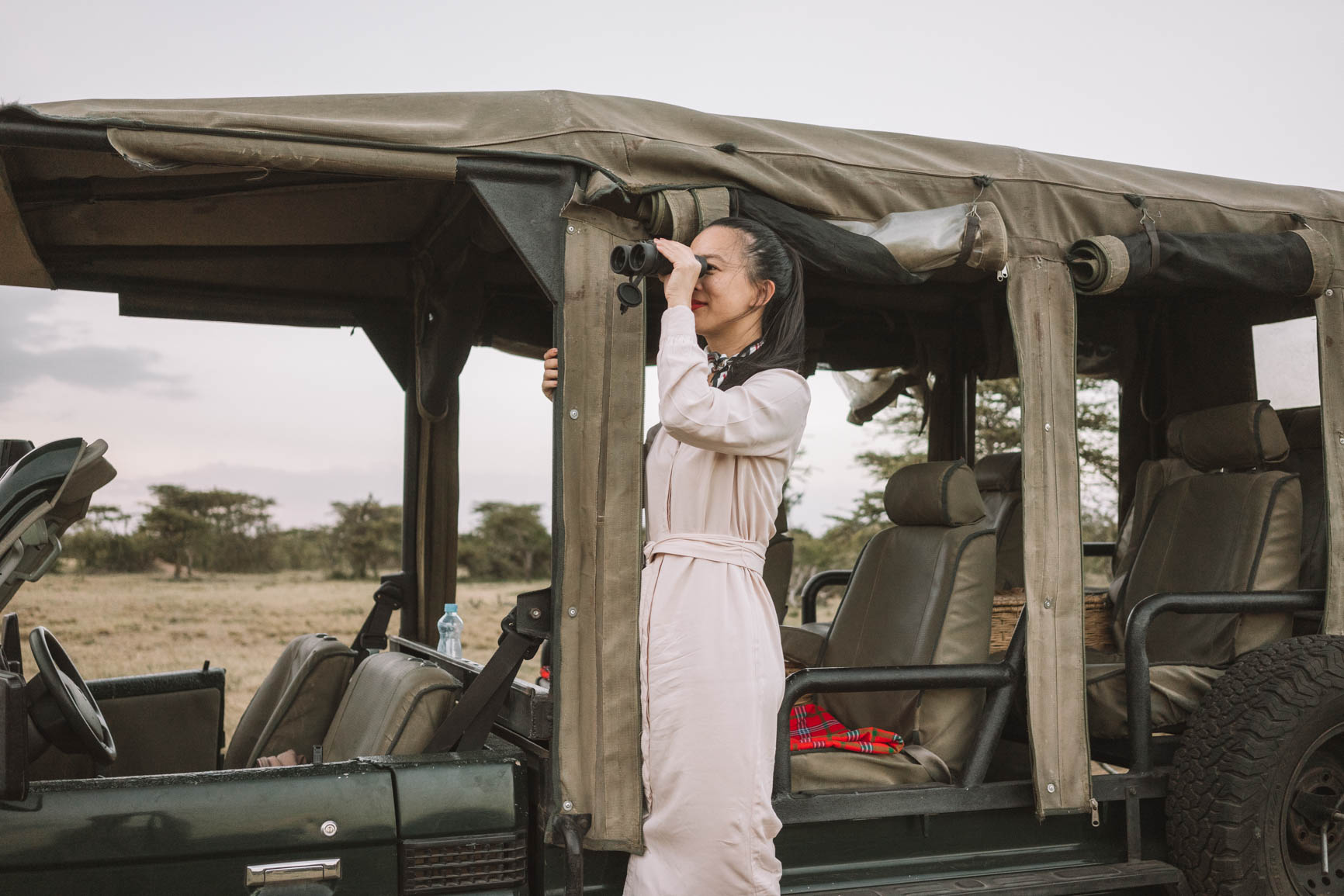
Safari Gear
Safari Gear
The Ultimate Guide to Safari Gear: Essential Equipment for Your African Adventure
Introduction
Embarking on a safari is a thrilling experience, offering the opportunity to witness the majestic wildlife and stunning landscapes of Africa. However, to make the most of your adventure, it’s crucial to be well-prepared with the right safari gear. This comprehensive guide will cover everything you need to know about selecting and packing the essential equipment for your safari trip.
Why Proper Safari Gear is Essential
When venturing into the wild, having the appropriate gear can make a significant difference in your comfort, safety, and overall experience. Proper safari gear ensures that you are well-equipped to handle various weather conditions, navigate challenging terrains, and capture unforgettable moments.
Key Considerations for Safari Gear
- Climate and Weather: Africa’s climate can vary greatly depending on the region and time of year. It’s essential to pack clothing and gear suitable for both hot days and cool nights.
- Terrain: Safaris often involve traversing rugged landscapes, so durable and comfortable footwear is a must.
- Wildlife Viewing: Binoculars, cameras, and other equipment will enhance your ability to observe and document wildlife.
Essential Safari Clothing
Choosing the right clothing is crucial for staying comfortable and protected during your safari. Here are some key items to include in your packing list:
Lightweight, Breathable Fabrics
Opt for clothing made from lightweight, breathable fabrics such as cotton or moisture-wicking materials. These will help keep you cool during the day and provide insulation during cooler evenings.
Neutral Colors
Wearing neutral colors like khaki, beige, and olive green is important for blending into the natural environment and avoiding attracting unwanted attention from wildlife.
Layering
Layering is essential for adapting to changing temperatures. Pack a mix of short-sleeve and long-sleeve shirts, as well as a lightweight jacket or fleece.
Sun Protection
Protect yourself from the sun with a wide-brimmed hat, sunglasses, and sunscreen. Long-sleeve shirts and pants can also provide additional protection.
Footwear
Comfortable, sturdy footwear is a must for safari adventures. Consider the following options:
- Hiking Boots: Provide support and protection for walking on uneven terrain.
- Sandals: Ideal for relaxing at the lodge or during downtime.
- Socks: Moisture-wicking socks will keep your feet dry and comfortable.
Safari Accessories
In addition to clothing, there are several accessories that can enhance your safari experience:
Binoculars
A good pair of binoculars is essential for spotting wildlife from a distance. Look for binoculars with a magnification of at least 8x and a wide field of view.
Camera Equipment
Capture the beauty of your safari with the right camera gear. Consider the following:
- DSLR or Mirrorless Camera: For high-quality photos.
- Telephoto Lens: Essential for capturing distant wildlife.
- Extra Batteries and Memory Cards: Ensure you have enough storage and power for your entire trip.
Daypack
A small, lightweight daypack is perfect for carrying essentials such as water, snacks, and extra clothing during your safari excursions.
First Aid Kit
A basic first aid kit should include items such as bandages, antiseptic wipes, pain relievers, and any personal medications.
Safari Gadgets and Technology
Modern technology can greatly enhance your safari experience. Here are some gadgets to consider:
GPS Device
A GPS device can help you navigate unfamiliar terrain and track your location.
Portable Charger
Keep your electronic devices powered with a portable charger or power bank.
E-Reader or Tablet
An e-reader or tablet loaded with books, guides, and maps can provide entertainment and valuable information during your trip.
Packing Tips for Your Safari
Packing efficiently is key to ensuring you have everything you need without overloading your luggage. Here are some tips:
Use Packing Cubes
Packing cubes can help you organize your clothing and gear, making it easier to find what you need.
Roll Your Clothes
Rolling your clothes instead of folding them can save space and reduce wrinkles.
Limit Valuables
Only bring essential valuables and keep them secure. Consider using a money belt or hidden pouch for important documents and money.
Conclusion
Proper preparation and the right safari gear can make your African adventure a truly unforgettable experience. By following this guide, you’ll be well-equipped to handle the challenges and enjoy the wonders of the wild. Remember to pack smart, stay safe, and immerse yourself in the beauty of the African wilderness.
FAQ
1. What should I wear on a safari?
Wear lightweight, breathable clothing in neutral colors, and layer your clothing to adapt to changing temperatures. Don’t forget a wide-brimmed hat, sunglasses, and sturdy footwear.
2. What kind of camera should I bring on a safari?
A DSLR or mirrorless camera with a telephoto lens is ideal for capturing high-quality photos of wildlife. Make sure to bring extra batteries and memory cards.
3. How do I protect myself from the sun on a safari?
Wear a wide-brimmed hat, sunglasses, and long-sleeve shirts and pants. Apply sunscreen regularly and stay hydrated.
4. What should I include in my first aid kit for a safari?
Include bandages, antiseptic wipes, pain relievers, and any personal medications. A basic first aid kit can help you handle minor injuries and ailments.
5. How can I stay organized while packing for a safari?
Use packing cubes to organize your clothing and gear, and roll your clothes to save space. Limit valuables and keep important documents secure.