
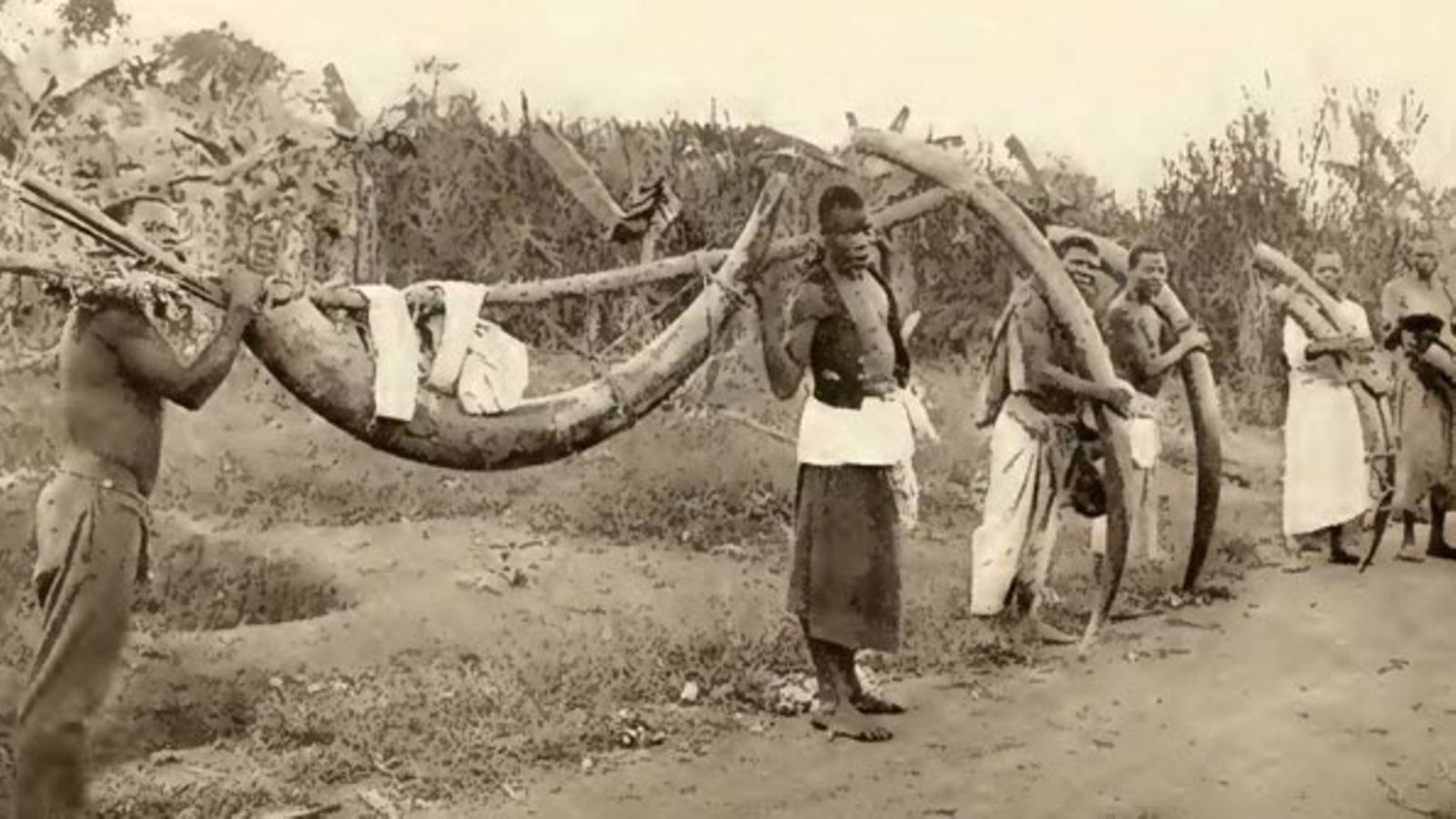
Pre-colonial Uganda
Pre-colonial Uganda
The Rich Tapestry of Pre-Colonial Uganda: A Historical Odyssey
Introduction
Uganda, often referred to as the “Pearl of Africa,” boasts a rich and diverse history that predates colonial influence. The pre-colonial era of Uganda is a fascinating tapestry of kingdoms, cultures, and traditions that have shaped the nation’s identity. This article delves into the intricate history of pre-colonial Uganda, exploring its socio-political structures, cultural practices, and the legacy that continues to influence modern Uganda.
The Kingdoms of Pre-Colonial Uganda
The Buganda Kingdom
The Buganda Kingdom, one of the most prominent and enduring kingdoms in pre-colonial Uganda, played a pivotal role in shaping the region’s history. Established around the 14th century, Buganda was characterized by a centralized monarchy with the Kabaka (king) at its helm. The kingdom’s political structure was highly organized, with a council of chiefs known as the Lukiiko advising the Kabaka on governance matters.
- Centralized Monarchy: The Kabaka wielded significant power, overseeing land distribution, trade, and justice.
- Lukiiko Council: This council of chiefs played a crucial role in decision-making and maintaining the kingdom’s stability.
- Cultural Practices: Buganda’s culture was rich with traditional ceremonies, music, and dance, reflecting the kingdom’s vibrant heritage.
The Bunyoro-Kitara Kingdom
The Bunyoro-Kitara Kingdom, another influential entity in pre-colonial Uganda, was known for its military prowess and expansive territory. The kingdom’s history is deeply intertwined with the Chwezi dynasty, believed to have introduced advanced agricultural techniques and ironworking skills.
- Military Strength: Bunyoro’s warriors were renowned for their strategic acumen and played a significant role in regional conflicts.
- Chwezi Influence: The Chwezi dynasty left a lasting legacy, with their innovations in agriculture and metallurgy.
- Cultural Heritage: Bunyoro’s cultural practices included elaborate rituals and a strong oral tradition that preserved historical narratives.
The Toro Kingdom
The Toro Kingdom, a breakaway from Bunyoro, emerged as a distinct entity in the 19th century. Despite its relatively recent establishment, Toro quickly developed a unique cultural identity and governance structure.
- Breakaway Kingdom: Toro’s separation from Bunyoro marked a significant shift in regional dynamics.
- Cultural Identity: Toro’s culture was characterized by unique customs, language, and traditional attire.
- Political Structure: The Omukama (king) of Toro held significant authority, supported by a council of elders.
Socio-Economic Structures
Trade and Commerce
Trade was a vital component of pre-colonial Uganda’s economy, with kingdoms engaging in both local and long-distance trade. The exchange of goods such as salt, iron, and agricultural produce facilitated economic growth and cultural exchange.
- Local Trade: Markets within kingdoms were bustling hubs of economic activity, where goods and services were exchanged.
- Long-Distance Trade: Trade routes extended beyond Uganda’s borders, connecting the region to the wider East African trade network.
- Economic Impact: Trade contributed to the prosperity of kingdoms and the development of urban centers.
Agriculture and Livelihoods
Agriculture was the backbone of pre-colonial Uganda’s economy, with communities practicing subsistence farming and animal husbandry. The fertile lands of Uganda supported the cultivation of staple crops such as millet, sorghum, and bananas.
- Subsistence Farming: Families cultivated crops primarily for consumption, with surplus produce traded in local markets.
- Animal Husbandry: Livestock, including cattle and goats, played a crucial role in the livelihoods of many communities.
- Agricultural Techniques: The introduction of iron tools and advanced farming methods improved agricultural productivity.
Cultural Practices and Traditions
Language and Communication
Language was a vital aspect of cultural identity in pre-colonial Uganda, with each kingdom having its distinct language and dialect. Oral tradition played a significant role in preserving history, folklore, and cultural practices.
- Diverse Languages: Uganda’s linguistic diversity was a reflection of its rich cultural tapestry.
- Oral Tradition: Storytelling and oral narratives were key methods of transmitting knowledge and cultural values.
- Cultural Exchange: Interaction between kingdoms facilitated the exchange of linguistic and cultural elements.
Art and Craftsmanship
Art and craftsmanship were integral to the cultural expression of pre-colonial Uganda. Skilled artisans created intricate works of art, including pottery, beadwork, and textiles, which were used in daily life and ceremonial occasions.
- Pottery and Ceramics: Pottery was both functional and artistic, with unique designs reflecting cultural motifs.
- Beadwork and Jewelry: Beadwork was an important aspect of adornment, with beads often used in traditional ceremonies.
- Textiles and Weaving: Weaving techniques produced vibrant textiles used for clothing and ceremonial purposes.
The Legacy of Pre-Colonial Uganda
The legacy of pre-colonial Uganda continues to influence the nation’s cultural and political landscape. The resilience and adaptability of these ancient kingdoms have left an indelible mark on Uganda’s identity.
Modern-Day Influence
- Cultural Heritage: Traditional practices and customs are celebrated and preserved in contemporary Ugandan society.
- Political Structures: The legacy of centralized governance is evident in Uganda’s modern political system.
- Cultural Festivals: Festivals and ceremonies rooted in pre-colonial traditions are celebrated nationwide.
Conclusion
The history of pre-colonial Uganda is a testament to the resilience, ingenuity, and cultural richness of its people. The kingdoms of Buganda, Bunyoro, and Toro, among others, laid the foundation for a vibrant and diverse nation. Understanding this history is crucial to appreciating the complexities and nuances of modern Uganda.
Frequently Asked Questions (FAQ)
1. What were the main kingdoms in pre-colonial Uganda?
The main kingdoms in pre-colonial Uganda included the Buganda Kingdom, Bunyoro-Kitara Kingdom, and Toro Kingdom. Each kingdom had its unique political structure, cultural practices, and historical significance.
2. How did trade impact pre-colonial Uganda?
Trade played a vital role in pre-colonial Uganda’s economy, facilitating economic growth and cultural exchange. Local and long-distance trade routes connected Uganda to the wider East African trade network.
3. What role did agriculture play in pre-colonial Uganda?
Agriculture was the backbone of pre-colonial Uganda’s economy, with communities practicing subsistence farming and animal husbandry. The fertile lands supported the cultivation of staple crops, contributing to the prosperity of kingdoms.
4. How did language and communication shape pre-colonial Uganda?
Language was a vital aspect of cultural identity, with each kingdom having its distinct language and dialect. Oral tradition played a significant role in preserving history, folklore, and cultural practices.
5. What is the legacy of pre-colonial Uganda in modern times?
The legacy of pre-colonial Uganda continues to influence the nation’s cultural and political landscape. Traditional practices, centralized governance, and cultural festivals rooted in pre-colonial traditions are celebrated and preserved in contemporary Ugandan society.