
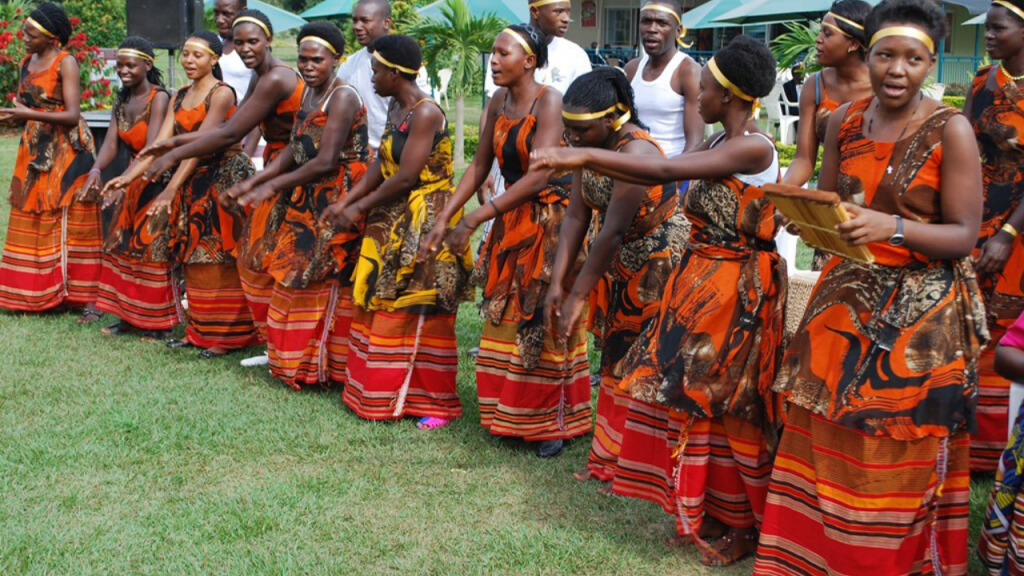
Ugandan Tribal Kingdoms
Ugandan Tribal Kingdoms
The Rich Heritage of Ugandan Tribal Kingdoms: A Journey Through Time
Introduction
Uganda, often referred to as the “Pearl of Africa,” is a nation rich in cultural diversity and historical significance. One of the most intriguing aspects of Uganda’s cultural tapestry is its tribal kingdoms. These kingdoms, each with its unique history, traditions, and governance structures, offer a fascinating glimpse into the country’s past and present. In this article, we will explore the Ugandan tribal kingdoms, delving into their origins, cultural practices, and their role in modern Uganda.
The Origins of Ugandan Tribal Kingdoms
Uganda’s tribal kingdoms have deep historical roots, with some dating back several centuries. These kingdoms were established by various ethnic groups that settled in different regions of the country. The origins of these kingdoms can be traced to the migration patterns of Bantu-speaking peoples, Nilotic groups, and other indigenous communities.
Bantu Migration and the Formation of Kingdoms
The Bantu migration, which began around 1000 AD, played a significant role in shaping the landscape of Uganda’s tribal kingdoms. As Bantu-speaking groups moved into the region, they established centralized systems of governance, leading to the formation of kingdoms such as Buganda, Bunyoro, and Toro.
Nilotic Influence and the Rise of Kingdoms
In addition to the Bantu influence, Nilotic groups such as the Luo also contributed to the formation of Ugandan tribal kingdoms. The Nilotic migrations brought new cultural practices and governance structures, which were integrated into existing systems. This fusion of cultures gave rise to kingdoms like Acholi and Lango.
The Major Tribal Kingdoms of Uganda
Uganda is home to several prominent tribal kingdoms, each with its unique identity and cultural heritage. Let’s explore some of the most notable ones:
Buganda Kingdom
The Buganda Kingdom is one of the most influential and well-known kingdoms in Uganda. Located in the central region, Buganda has a rich history that dates back to the 14th century. The kingdom is known for its strong centralized governance, with the Kabaka (king) serving as the supreme ruler.
Cultural Practices in Buganda
- Language: Luganda is the primary language spoken in Buganda.
- Traditional Attire: The Kanzu for men and Gomesi for women are traditional garments worn during cultural ceremonies.
- Music and Dance: The Kiganda dance is a popular cultural expression in Buganda.
Bunyoro-Kitara Kingdom
The Bunyoro-Kitara Kingdom, located in western Uganda, is one of the oldest kingdoms in the region. It was once a powerful empire that controlled vast territories. The kingdom is known for its rich cultural heritage and traditional ceremonies.
Cultural Practices in Bunyoro-Kitara
- Language: Runyoro is the primary language spoken in Bunyoro-Kitara.
- Traditional Attire: The Suuka is a traditional garment worn by both men and women.
- Music and Dance: The Amakondere dance is a traditional dance performed during cultural events.
Toro Kingdom
The Toro Kingdom, situated in the western part of Uganda, was established in the 19th century. It is known for its picturesque landscapes and vibrant cultural traditions. The Omukama (king) is the ceremonial leader of the kingdom.
Cultural Practices in Toro
- Language: Rutooro is the primary language spoken in Toro.
- Traditional Attire: The Kanzu and Gomesi are traditional garments worn during cultural ceremonies.
- Music and Dance: The Orunyege dance is a popular cultural expression in Toro.
Acholi Kingdom
The Acholi Kingdom, located in northern Uganda, is known for its rich oral traditions and cultural practices. The kingdom is led by the Paramount Chief, who plays a significant role in preserving Acholi culture.
Cultural Practices in Acholi
- Language: Luo is the primary language spoken in Acholi.
- Traditional Attire: The Lapwony and Larakaraka are traditional garments worn during cultural ceremonies.
- Music and Dance: The Bwola dance is a traditional dance performed during cultural events.
The Role of Tribal Kingdoms in Modern Uganda
In contemporary Uganda, tribal kingdoms continue to play a vital role in preserving cultural heritage and promoting social cohesion. While their political power has diminished, these kingdoms remain influential in cultural and social spheres.
Cultural Preservation and Promotion
Tribal kingdoms in Uganda are custodians of cultural traditions and practices. They organize cultural festivals, ceremonies, and events that celebrate the rich heritage of their communities. These activities help preserve traditional music, dance, language, and crafts.
Social Cohesion and Conflict Resolution
Tribal kingdoms serve as important institutions for promoting social cohesion and resolving conflicts within their communities. The traditional leadership structures provide a platform for dialogue and reconciliation, contributing to peace and stability.
Economic Development and Tourism
Uganda’s tribal kingdoms also play a role in promoting economic development and tourism. Cultural tourism, which includes visits to royal palaces, cultural sites, and traditional ceremonies, attracts both domestic and international tourists. This influx of visitors contributes to the local economy and supports community development initiatives.
Challenges Facing Ugandan Tribal Kingdoms
Despite their cultural significance, Ugandan tribal kingdoms face several challenges in the modern era. These challenges include:
Political Marginalization
Tribal kingdoms in Uganda have limited political power, as the country’s governance is primarily centralized. This marginalization can hinder their ability to advocate for the needs and interests of their communities.
Cultural Erosion
Globalization and modernization pose a threat to the preservation of traditional cultural practices. Younger generations may be less inclined to engage with their cultural heritage, leading to a gradual erosion of traditions.
Economic Constraints
Many tribal kingdoms face financial constraints, which can limit their ability to organize cultural events and maintain cultural sites. This lack of resources can hinder efforts to promote and preserve cultural heritage.
Conclusion
Ugandan tribal kingdoms are a testament to the country’s rich cultural diversity and historical legacy. These kingdoms, with their unique traditions and governance structures, continue to play a vital role in preserving Uganda’s cultural heritage. While they face challenges in the modern era, their contributions to cultural preservation, social cohesion, and economic development remain significant. As Uganda continues to evolve, the tribal kingdoms stand as enduring symbols of the nation’s vibrant cultural tapestry.
FAQ
1. What are the major tribal kingdoms in Uganda?
Uganda is home to several major tribal kingdoms, including Buganda, Bunyoro-Kitara, Toro, and Acholi. Each kingdom has its unique cultural heritage and governance structures.
2. How did the tribal kingdoms in Uganda originate?
The tribal kingdoms in Uganda originated from the migration patterns of Bantu-speaking peoples and Nilotic groups. These migrations led to the establishment of centralized systems of governance and the formation of kingdoms.
3. What role do tribal kingdoms play in modern Uganda?
In modern Uganda, tribal kingdoms play a vital role in preserving cultural heritage, promoting social cohesion, and contributing to economic development through cultural tourism.
4. What challenges do Ugandan tribal kingdoms face?
Ugandan tribal kingdoms face challenges such as political marginalization, cultural erosion, and economic constraints. These challenges can hinder their efforts to preserve and promote cultural heritage.
5. How can tribal kingdoms contribute to tourism in Uganda?
Tribal kingdoms contribute to tourism in Uganda by offering cultural experiences, such as visits to royal palaces, cultural sites, and traditional ceremonies. These activities attract tourists and support local economic development.