
African Savanna Migration
African Savanna Migration
The Majestic African Savanna Migration: A Natural Spectacle
Introduction
The African savanna migration is one of the most awe-inspiring natural phenomena on Earth. This annual event sees millions of animals traverse vast distances across the African plains, driven by ancient instincts and the search for sustenance. In this article, we will delve into the intricacies of this migration, exploring the species involved, the challenges they face, and the ecological significance of this grand journey.
The Participants of the Migration
Wildebeest: The Main Protagonists
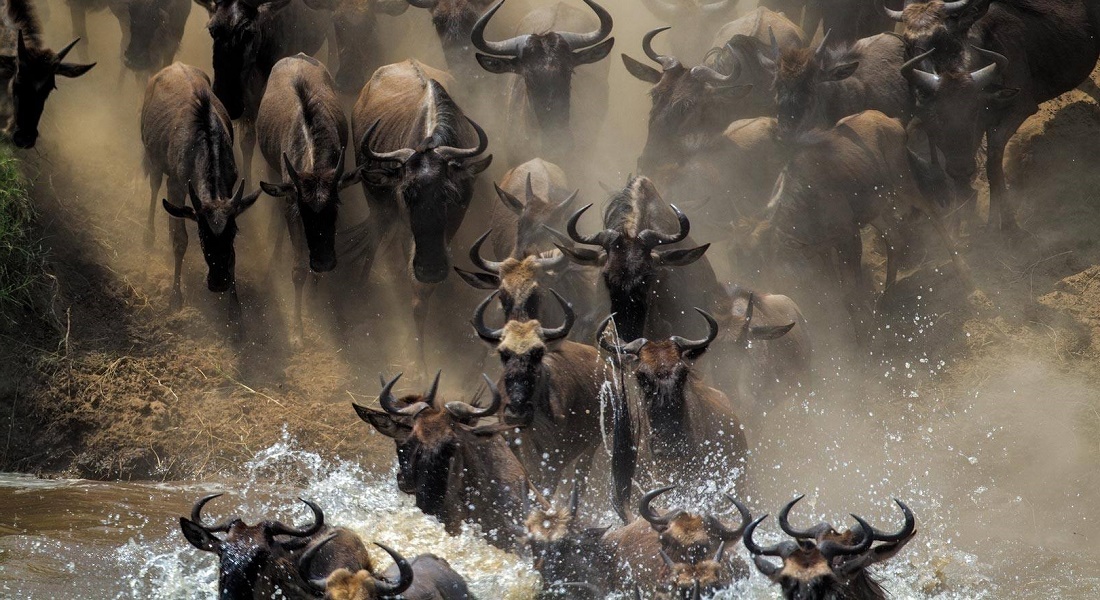
The wildebeest, also known as the gnu, are the primary participants in the African savanna migration. These herbivores are known for their distinctive appearance, with robust bodies and curved horns. Each year, over 1.5 million wildebeest embark on this epic journey, driven by the need to find fresh grazing grounds and water sources.
Zebras and Gazelles: The Companions
While wildebeest are the stars of the migration, they are not alone. Zebras and gazelles also join the journey, forming a formidable alliance. Zebras, with their striking black and white stripes, provide an added layer of protection against predators. Gazelles, known for their agility and speed, contribute to the dynamic nature of the migration.
Predators: The Ever-Present Threat
The migration is not without its dangers. Predators such as lions, hyenas, and crocodiles lie in wait, ready to seize any opportunity for a meal. The presence of these predators adds an element of drama and tension to the migration, as the herbivores must remain vigilant to survive.
The Route of the Migration
Serengeti to Maasai Mara: The Traditional Path
The migration typically begins in the Serengeti National Park in Tanzania and extends to the Maasai Mara National Reserve in Kenya. This route covers approximately 1,800 miles and is fraught with challenges, including river crossings and harsh weather conditions.
River Crossings: The Ultimate Test
One of the most perilous aspects of the migration is the river crossings. The Mara River, in particular, poses a significant threat, with its strong currents and lurking crocodiles. These crossings are a true test of endurance and survival, as the animals must navigate treacherous waters to continue their journey.
The Ecological Significance of the Migration
Nutrient Cycling: A Vital Process
The migration plays a crucial role in nutrient cycling within the savanna ecosystem. As the animals move, they graze on vegetation, which promotes new growth. Their droppings also enrich the soil, providing essential nutrients for plant life.
Biodiversity: A Rich Tapestry
The migration supports a diverse array of species, contributing to the overall biodiversity of the region. This biodiversity is essential for maintaining the health and resilience of the ecosystem, ensuring that it can withstand environmental changes and challenges.
Challenges Facing the Migration
Climate Change: An Uncertain Future
Climate change poses a significant threat to the African savanna migration. Altered weather patterns and shifting rainfall can disrupt the availability of food and water, making the journey more arduous for the animals.
Human Activities: A Growing Concern activities, such as agriculture and infrastructure development, encroach on the migration routes. These activities can fragment habitats and create barriers that hinder the animals’ movement, threatening the continuity of the migration.
Conclusion
The African savanna migration is a testament to the resilience and adaptability of nature. It is a spectacle that captivates the imagination and highlights the interconnectedness of life on Earth. As we continue to face environmental challenges, it is imperative that we work to preserve this natural wonder for future generations.
FAQ
What is the African savanna migration?
The African savanna migration is an annual movement of millions of animals, primarily wildebeest, zebras, and gazelles, across the African plains in search of food and water.
Why do animals migrate in the African savanna?
Animals migrate in the African savanna to find fresh grazing grounds and water sources, ensuring their survival and the continuation of their species.
What are the main challenges of the migration?
The main challenges of the migration include river crossings, predation, and environmental changes such as climate change and human activities.
How does the migration benefit the ecosystem?
The migration benefits the ecosystem by promoting nutrient cycling and supporting biodiversity, which are essential for the health and resilience of the savanna.
What can be done to protect the migration?
To protect the migration, it is crucial to address climate change, regulate human activities, and preserve the natural habitats and migration routes of the animals involved.