
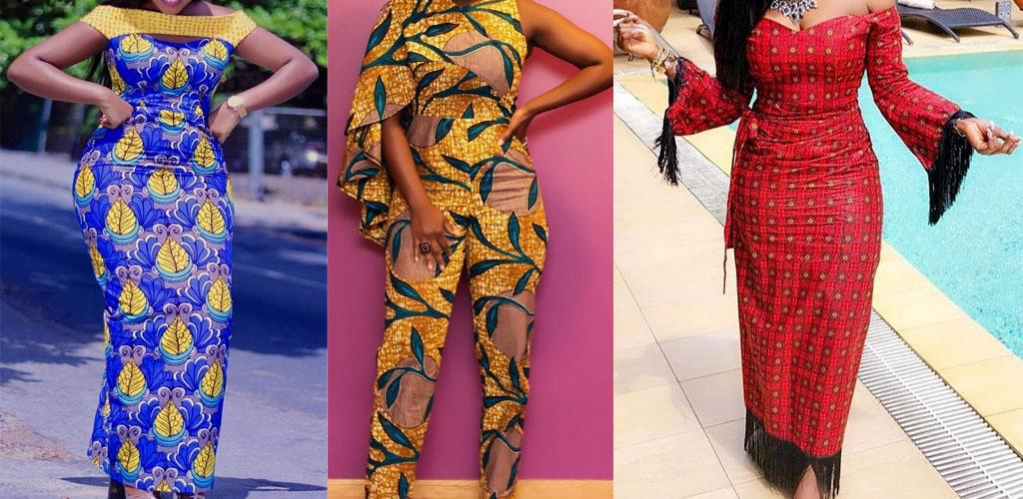
African Wears
African Wears
The Timeless Elegance of African Wear: A Celebration of Culture and Style
African wear is more than just clothing—it is a vibrant expression of culture, heritage, and identity. Rooted in centuries of tradition, African fashion reflects the diversity of the continent, with its rich history, bold patterns, and intricate designs. From the colorful kente cloth of Ghana to the flowing dashiki of West Africa, African wear has transcended borders, becoming a global symbol of elegance and pride.
In this article, we will explore the history, significance, and modern evolution of African wear. We will also discuss its impact on global fashion, its role in preserving cultural identity, and how it continues to inspire designers worldwide. Whether you’re a fashion enthusiast or someone curious about African culture, this comprehensive guide will provide you with everything you need to know about African wear.
The History and Significance of African Wear
A Tapestry of Tradition
African wear has deep roots in the history of the continent. Each region boasts its own unique textiles, patterns, and styles, often tied to specific cultural or spiritual meanings. For example:
- Kente Cloth: Originating from the Ashanti people of Ghana, kente cloth is a handwoven fabric known for its vibrant colors and geometric patterns. Traditionally, it was worn by royalty and symbolized wealth, status, and cultural pride.
- Bogolanfini (Mud Cloth): This Malian textile is made using fermented mud to create intricate designs. It is often used in ceremonies and storytelling, with each pattern carrying symbolic meaning.
- Shweshwe Fabric: Popular in Southern Africa, this indigo-dyed cotton fabric is used to create dresses and skirts, often worn during special occasions.
These textiles and garments are not just decorative—they tell stories, convey social status, and preserve the heritage of African communities.
Cultural Identity and Symbolism
African wear is a powerful tool for expressing identity. The choice of fabric, color, and design often reflects a person’s tribe, marital status, or even mood. For instance:
- Colors: In many African cultures, colors have specific meanings. Red may symbolize strength and sacrifice, while green represents fertility and growth.
- Patterns: Geometric shapes and symbols are often used to convey messages. For example, Adinkra symbols from Ghana are incorporated into fabrics to communicate proverbs or philosophical ideas.
By wearing traditional attire, Africans celebrate their heritage and pass down cultural knowledge to future generations.
African Wear in Modern Fashion
The Global Influence of African Wear
In recent years, African wear has gained international recognition, influencing global fashion trends. Designers like Stella Jean, Ozwald Boateng, and Lisa Folawiyo have incorporated African textiles and motifs into their collections, showcasing the beauty of African craftsmanship on runways around the world.
Celebrities such as Beyoncé, Lupita Nyong’o, and Chadwick Boseman have also embraced African wear, wearing it to red carpet events and in music videos. This has helped to popularize African fashion and inspire a new generation of designers.
Contemporary African Designers
Modern African designers are redefining traditional wear, blending it with contemporary styles to create innovative and versatile pieces. Some notable names include:
- Deola Sagoe: Known for her luxurious designs that combine traditional Nigerian fabrics with modern silhouettes.
- MaXhosa Africa: A South African brand that incorporates Xhosa beadwork and patterns into knitwear.
- Christie Brown: A Ghanaian label that reimagines traditional prints in chic, modern designs.
These designers are not only preserving African traditions but also pushing the boundaries of what African wear can be.
Popular Types of African Wear
Dashiki
The dashiki is a loose-fitting, colorful garment that originated in West Africa. It is characterized by its bold patterns and embroidery around the neckline. Dashikis are versatile and can be worn casually or for formal occasions.
Ankara
Ankara fabric, also known as African wax print, is one of the most popular textiles in African fashion. Its vibrant patterns and affordability make it a favorite for creating dresses, skirts, and even accessories.
Agbada
The agbada is a flowing robe worn by men in West Africa. It is often made from luxurious fabrics like brocade or silk and is worn during ceremonies and celebrations.
Kaftan
The kaftan is a long, loose-fitting garment that is popular across North and West Africa. It is often adorned with intricate embroidery and is worn by both men and women.
How to Style African Wear
Tips for Incorporating African Wear into Your Wardrobe
- Mix and Match: Pair African prints with neutral pieces to create a balanced look.
- Accessorize: Add statement jewelry, such as beaded necklaces or cowrie shell earrings, to complement your outfit.
- Layering: Combine traditional garments like a dashiki with modern pieces, such as jeans or a blazer, for a contemporary twist.
- Tailoring: Ensure your African wear is well-fitted to enhance its elegance and sophistication.
Occasions to Wear African Attire
- Weddings: Traditional African weddings often feature vibrant attire, with guests wearing coordinated fabrics.
- Festivals: Events like the Afropunk Festival celebrate African culture and fashion, providing a platform to showcase traditional and modern styles.
- Everyday Wear: Many people incorporate African prints into their daily wardrobe, blending tradition with modernity.
The Role of African Wear in Sustainability
African wear is often produced using sustainable practices, such as handweaving and natural dyeing. By supporting local artisans and choosing ethically made garments, consumers can contribute to the preservation of traditional crafts and promote sustainable fashion.
FAQ: Everything You Need to Know About African Wear
1. What is the significance of African wear?
African wear represents cultural heritage, identity, and tradition. Each garment or textile often carries symbolic meaning, reflecting the history and values of the community it originates from.
2. What are the most popular African fabrics?
Some of the most popular African fabrics include kente cloth, ankara, mud cloth, and shweshwe. Each fabric has its own unique patterns and cultural significance.
3. How has African wear influenced global fashion?
African wear has inspired designers worldwide, with its bold patterns and vibrant colors appearing on international runways. Celebrities and influencers have also played a role in popularizing African fashion.
4. Can African wear be worn for formal occasions?
Yes, African wear is highly versatile and can be styled for formal events. Garments like the agbada, kaftan, and tailored ankara dresses are perfect for weddings, galas, and other special occasions.
5. Where can I buy authentic African wear?
Authentic African wear can be purchased from local markets in Africa, online platforms specializing in African fashion, or directly from designers like Deola Sagoe and Christie Brown.
Conclusion
African wear is a celebration of culture, creativity, and craftsmanship. Its rich history and vibrant designs make it a timeless symbol of African identity and pride. As it continues to influence global fashion, African wear serves as a reminder of the continent’s enduring legacy and its contributions to the world of style.