
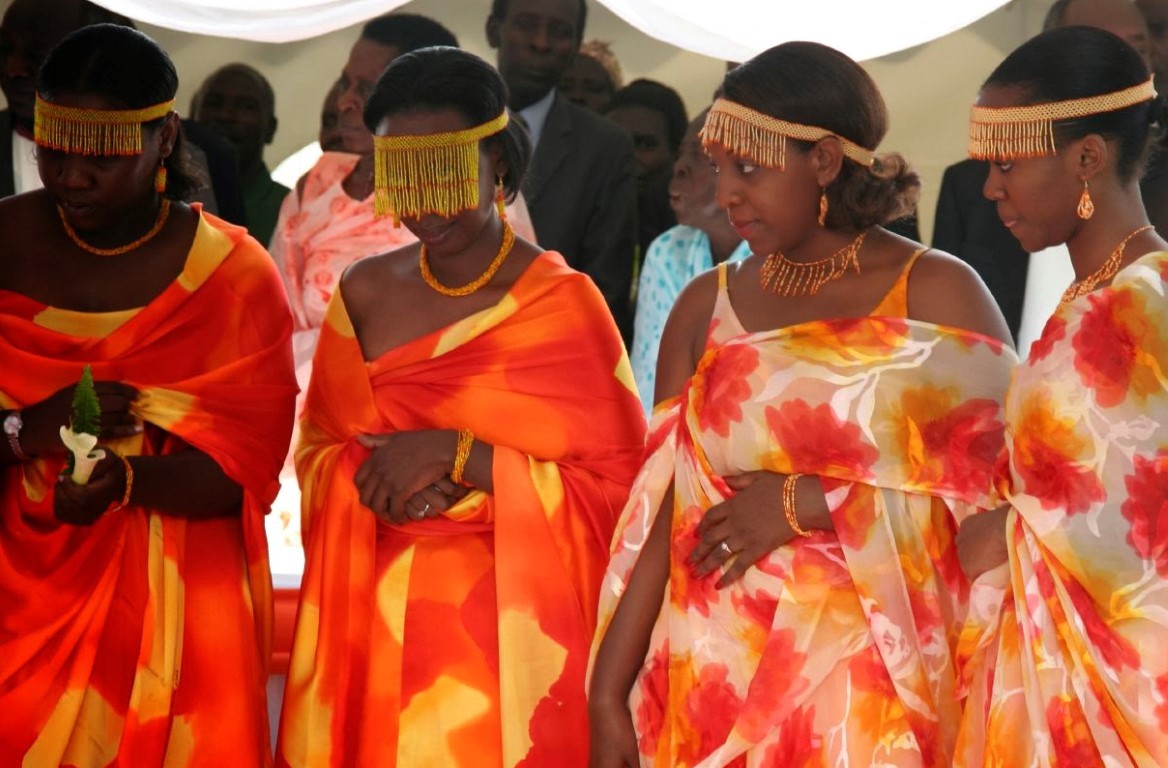
Ankole Kingdom
The Ankole Kingdom: A Historical and Cultural Odyssey
Introduction to the Ankole Kingdom
The Ankole Kingdom is a fascinating realm steeped in history and culture. Nestled in the southwestern region of Uganda, this kingdom has a rich tapestry of traditions and customs that have been passed down through generations. In this article, we will embark on an odyssey to explore the historical significance, cultural heritage, and modern-day relevance of the Ankole Kingdom.
Historical Background
Origins and Early History
The Ankole traces its roots back to the 15th century. It was established by the Bachwezi dynasty, which is believed to have descended from the legendary Kitara Empire. The kingdom’s early history is shrouded in myth and legend, with tales of powerful rulers and mystical events.
The Reign of the Banyankole Kings
The kings of Ankole, known as the Banyankole, played a pivotal role in shaping the kingdom’s destiny. They were revered as both political leaders and spiritual figures. The kingdom’s governance was characterized by a hierarchical structure, with the king at the apex, supported by a council of elders and chiefs.
Cultural Heritage
The Ankole Cattle
One of the most iconic symbols of the Ankole Kingdom is its cattle. The Ankole cattle, with their distinctive long horns, are not only a source of livelihood but also hold cultural and spiritual significance. These cattle are celebrated in songs, dances, and rituals, reflecting their integral role in Ankole society.
Traditional Practices and Customs
The Ankole people have a rich tapestry of traditional practices and customs. From vibrant ceremonies to intricate crafts, these cultural expressions are a testament to the kingdom’s enduring heritage. Traditional dances, such as the Ekitaguriro, are performed during important events, showcasing the community’s unity and spirit.
The Ankole Kingdom in Modern Times
Challenges and Resilience
In the face of modernization and globalization, the Ankole Kingdom has faced numerous challenges. However, the resilience of its people has ensured the preservation of their cultural identity. Efforts to promote cultural tourism and heritage conservation have gained momentum, attracting visitors from around the world.
The Role of the Ankole Kingdom Today
Today, the Kingdom continues to play a significant role in Uganda’s cultural landscape. It serves as a symbol of unity and pride for the Banyankole people. The kingdom’s leadership actively engages in initiatives aimed at promoting education, healthcare, and sustainable development.
Frequently Asked Questions (FAQ)
1. What is the significance of Ankole cattle?
Ankole cattle are not only a source of livelihood but also hold cultural and spiritual significance in the Ankole Kingdom. They are celebrated in songs, dances, and rituals, reflecting their integral role in society.
2. How did the Ankole Kingdom originate?
The Ankole Kingdom originated in the 15th century, established by the Bachwezi dynasty, believed to have descended from the legendary Kitara Empire.
3. What are some traditional practices of the Ankole people?
The Ankole people have a rich tapestry of traditional practices, including vibrant ceremonies, intricate crafts, and traditional dances like the Ekitaguriro.
4. How is the Ankole Kingdom preserving its cultural heritage?
Efforts to promote cultural tourism and heritage conservation have gained momentum, attracting visitors from around the world, ensuring the preservation of the Ankole Kingdom’s cultural identity.
5. What role does the Ankole Kingdom play in modern Uganda?
The Ankole Kingdom serves as a symbol of unity and pride for the Banyankole people and actively engages in initiatives aimed at promoting education, healthcare, and sustainable development.
Conclusion
The Ankole Kingdom stands as a testament to the enduring spirit and resilience of its people. With a rich history and vibrant cultural heritage, it continues to inspire and captivate those who seek to explore its depths. As we journey through the annals of time, the Ankole Kingdom remains a beacon of tradition and progress, bridging the past and the future.