
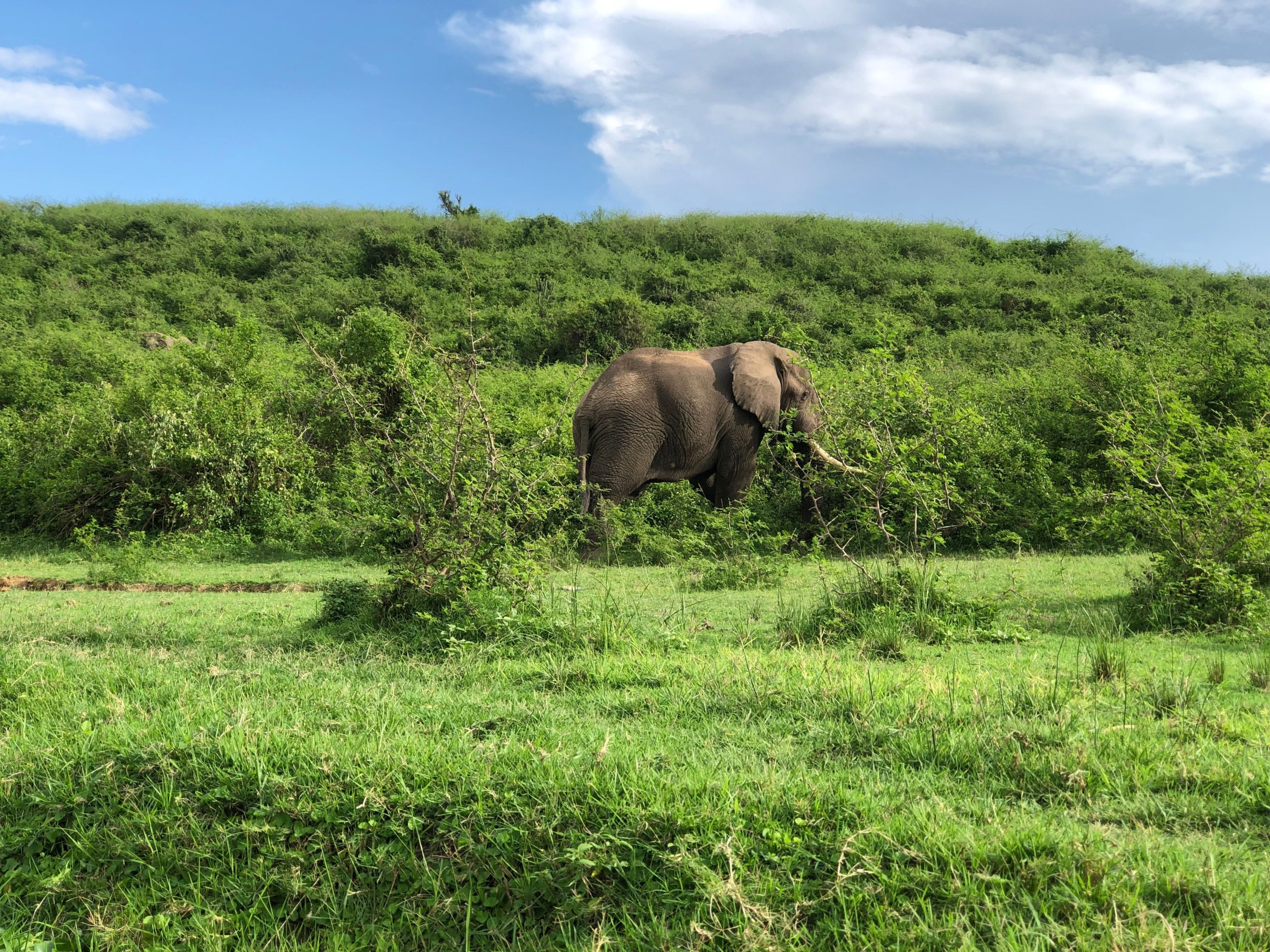
Are Elephants Common in Uganda
Are Elephants Common in Uganda
Are Elephants Common in Uganda? A Complete Guide to Seeing Elephants on Safari
Uganda is one of East Africa’s remarkable wildlife destinations, and elephants are an important part of the country’s safari experience. From the vast savannahs of Murchison Falls to the plains of Queen Elizabeth and the remote wilderness of Kidepo Valley, travelers have opportunities to see these magnificent animals in their natural habitats.
So, are elephants common in Uganda? Yes. Elephants are widely distributed across several of Uganda’s protected areas, although they are not found equally throughout the country. The largest populations are concentrated in major wildlife landscapes, particularly Queen Elizabeth, Murchison Falls and Kidepo Valley, with elephants also occurring in forest ecosystems such as Kibale and Semuliki.
For travelers planning an African safari, Turkana Wildlife Safaris Uganda can help organize a Uganda safari that includes some of the country’s best elephant-viewing destinations.
Uganda’s Elephant Population
Uganda is home to both savannah elephants and forest elephants. Savannah elephants are the more commonly encountered type on traditional game drives, while forest elephants occur in some of Uganda’s western forest ecosystems.
Recent Uganda Wildlife Authority information shows that elephant numbers remain in the thousands. UWA’s 2026 State of Wildlife Resources report recorded 6,352 elephants in monitored protected areas during 2023–2025, compared with 6,621 in 2021–2022. This demonstrates why conservation and habitat protection remain important even as Uganda continues to offer excellent elephant-viewing opportunities.
Elephant distribution is concentrated in protected areas because increasing human settlement and agricultural activity have reduced and fragmented some of their historical habitats.
Where Can You See Elephants in Uganda?
1. Murchison Falls National Park


Murchison Falls National Park is one of Uganda’s major elephant destinations. Its extensive savannah landscapes, woodlands and proximity to the Victoria Nile provide suitable habitat for large mammals.
During a game drive, visitors may encounter elephants feeding, walking across the savannah or gathering around water sources. Elephant sightings can be particularly memorable when combined with opportunities to see buffaloes, giraffes, lions, Uganda kobs and other wildlife.
Murchison Falls is therefore an excellent destination for travelers who want a classic Ugandan savannah safari.
2. Queen Elizabeth National Park


Queen Elizabeth National Park is another major elephant habitat in Uganda. Historical surveys have recorded substantial elephant populations in the park, and UWA identifies Queen Elizabeth among the country’s principal elephant landscapes.
The park’s diverse habitats—including savannah, forests, wetlands and lakes—support a wide variety of wildlife.
Visitors exploring the Kasenyi Plains, Ishasha sector and other parts of the park may have opportunities to see elephants, depending on seasonal movements and where herds are located.
3. Kidepo Valley National Park


For travelers looking for a more remote safari experience, Kidepo Valley National Park offers excellent wildlife viewing in a spectacular wilderness setting.
Elephants are among the large mammals found in the Kidepo ecosystem. The park’s dry savannah landscapes and seasonal water sources influence elephant movements, meaning sightings can vary according to conditions.
Kidepo is particularly attractive for travelers who want to combine elephant viewing with wildlife such as lions, leopards, buffaloes, giraffes, zebras and several species that are associated with Uganda’s northeastern region.
4. Kibale National Park
Kibale is internationally famous for chimpanzee trekking, but elephants are also found in its forest ecosystem.
A study of elephants in Kibale estimated the population at approximately 566 elephants during research conducted between 2019 and 2020, although estimates from different surveys and periods should not be treated as directly interchangeable.
Seeing elephants in a forest environment can be very different from seeing large herds crossing open savannah.
5. Semuliki and Other Forest Areas
Uganda also has forest elephants and elephant populations associated with western forest ecosystems. UWA lists locations including Semuliki National Park, Bwindi Impenetrable National Park, Kibale National Park, Mgahinga Gorilla National Park, the Ishasha sector of Queen Elizabeth National Park and Mount Elgon among areas where forest elephants may occur.
Forest elephant sightings can be more challenging because dense vegetation makes the animals harder to spot.
Are Elephants Easy to See on a Uganda Safari?
Elephants are among the wildlife species that safari visitors have a good opportunity to encounter in Uganda’s major elephant habitats. However, no responsible safari operator can guarantee a wildlife sighting.
Elephants are wild animals and move according to food, water, temperature, season and other environmental conditions.
Your chances can improve by:
- Visiting parks known for elephant populations.
- Spending several days on safari.
- Taking early-morning and late-afternoon game drives.
- Using experienced local guides.
- Visiting during periods when wildlife is concentrated around available water.
- Combining different wildlife habitats in one itinerary.
A good safari guide can also help interpret elephant behavior and locate areas where recent wildlife activity has been observed.
What Do Elephants Eat in Uganda?
Elephants are herbivores and consume large quantities of vegetation. Their diet can include:
- Grass
- Leaves
- Bark
- Fruits
- Roots
- Branches
- Tree shoots
- Other available vegetation
Their diet changes according to habitat and season. In savannah environments, elephants can often be seen feeding on grass and browsing trees and shrubs.
When Is the Best Time to See Elephants in Uganda?
Elephants can be seen throughout the year, but wildlife viewing conditions vary seasonally.
During drier periods, animals may concentrate around permanent water sources, potentially making them easier to locate. However, the exact timing and quality of sightings depend on rainfall patterns, water availability, vegetation and animal movements.
Uganda can therefore offer elephant-viewing opportunities in different seasons rather than having one guaranteed “elephant season.”
Why Are Elephants Important to Uganda’s Ecosystems?
Elephants play an important ecological role. As they feed, walk and interact with vegetation, they can influence the structure of forests and savannah ecosystems.
They can:
- Open pathways through vegetation.
- Disperse seeds.
- Create opportunities for other animals by modifying vegetation.
- Help shape woodland and savannah habitats.
- Contribute to overall ecosystem biodiversity.
Protecting elephant habitats therefore benefits many other species that share the same ecosystems.
Elephant Conservation in Uganda
Elephant conservation remains an important priority in Uganda. The country’s elephant populations face challenges associated with habitat loss, fragmentation and human-elephant conflict.
Uganda Wildlife Authority works with conservation partners to monitor elephant movements and address threats. Research has included the use of satellite collars to understand elephant movements and identify important habitats and wildlife corridors.
Human-elephant conflict is particularly important in areas where wildlife habitats overlap with agricultural communities. Elephants may leave protected areas and enter farmland in search of food, creating challenges for both wildlife and local communities.
Conservation therefore involves not only protecting elephants inside national parks but also working with communities around wildlife areas.
Why Choose Turkana Wildlife Safaris Uganda for an Elephant Safari?
Turkana Wildlife Safaris Uganda can help travelers experience Uganda’s wildlife through carefully planned safari itineraries.
Depending on your interests and available time, an itinerary can include destinations such as:
- Murchison Falls National Park
- Queen Elizabeth National Park
- Kidepo Valley National Park
- Kibale National Park
- Semuliki National Park
- Bwindi Impenetrable National Park
A Uganda safari can also combine elephant viewing with chimpanzee trekking, gorilla trekking, boat cruises, bird watching, cultural experiences and traditional game drives.
For travelers particularly interested in elephants, the itinerary can be designed around Uganda’s major elephant habitats while still allowing time to experience the country’s other wildlife and landscapes.
Frequently Asked Questions About Elephants in Uganda
Are elephants common in Uganda?
Yes. Elephants are an important component of Uganda’s wildlife, particularly in protected areas such as Queen Elizabeth, Murchison Falls and Kidepo Valley. Uganda also has elephant populations in several western forest ecosystems.
How many elephants are there in Uganda?
The exact figure depends on the survey period and methodology. Uganda’s 2026 State of Wildlife Resources report recorded 6,352 elephants in monitored protected areas during 2023–2025.
Which Ugandan park has the most elephants?
Historically, Queen Elizabeth National Park/Conservation Area and Murchison Falls have supported some of Uganda’s largest elephant populations, with Kidepo Valley also being a major elephant landscape. Population estimates vary between surveys and years.
Can I see elephants in Murchison Falls?
Yes. Murchison Falls is one of Uganda’s major elephant habitats and is a popular destination for wildlife viewing.
Can I see elephants in Queen Elizabeth National Park?
Yes. Queen Elizabeth National Park supports an important elephant population and offers opportunities to see elephants during game drives.
Are there elephants in Kidepo Valley National Park?
Yes. Kidepo Valley is one of Uganda’s principal elephant landscapes and offers visitors the opportunity to see elephants in a remote savannah environment.
Does Uganda have forest elephants?
Yes. Uganda has forest elephants in several western forest ecosystems, although they are less commonly encountered than savannah elephants. UWA identifies places including Kibale, Semuliki and Bwindi among areas where forest elephants occur.
What is the best Uganda safari for seeing elephants?
There is no single itinerary that guarantees sightings. Murchison Falls, Queen Elizabeth and Kidepo Valley are among the main destinations to consider when elephant viewing is a priority.
Can elephants be seen during a game drive?
Yes. Game drives in major elephant habitats provide good opportunities to encounter elephants. Experienced guides can help locate wildlife and explain elephant behavior.
Are elephants dangerous on safari?
Elephants are powerful wild animals and should always be treated with respect. Visitors should remain inside the safari vehicle when instructed, avoid approaching elephants on foot and follow their guide’s directions.
Can I combine elephant viewing with gorilla trekking?
Absolutely. A Uganda itinerary can combine savannah safari destinations such as Queen Elizabeth or Murchison Falls with gorilla trekking in Bwindi or Mgahinga, depending on your travel schedule.
Conclusion
Are elephants common in Uganda? Yes, especially in the country’s major wildlife parks and protected landscapes. Murchison Falls, Queen Elizabeth and Kidepo Valley are among the most important places to look for them, while forest elephants can be encountered in some of Uganda’s western forests.
An elephant safari in Uganda offers much more than simply seeing a large animal. Watching a herd move through the savannah, observing adults caring for calves or seeing elephants interacting with their environment can become one of the highlights of an African safari.
With Turkana Wildlife Safaris Uganda, travelers can plan a customized Uganda safari focused on elephants and other wildlife, while combining game drives with activities such as boat cruises, primate trekking, bird watching and cultural experiences.
Plan your Uganda elephant safari with Turkana Wildlife Safaris Uganda and discover the incredible wildlife of the Pearl of Africa.