
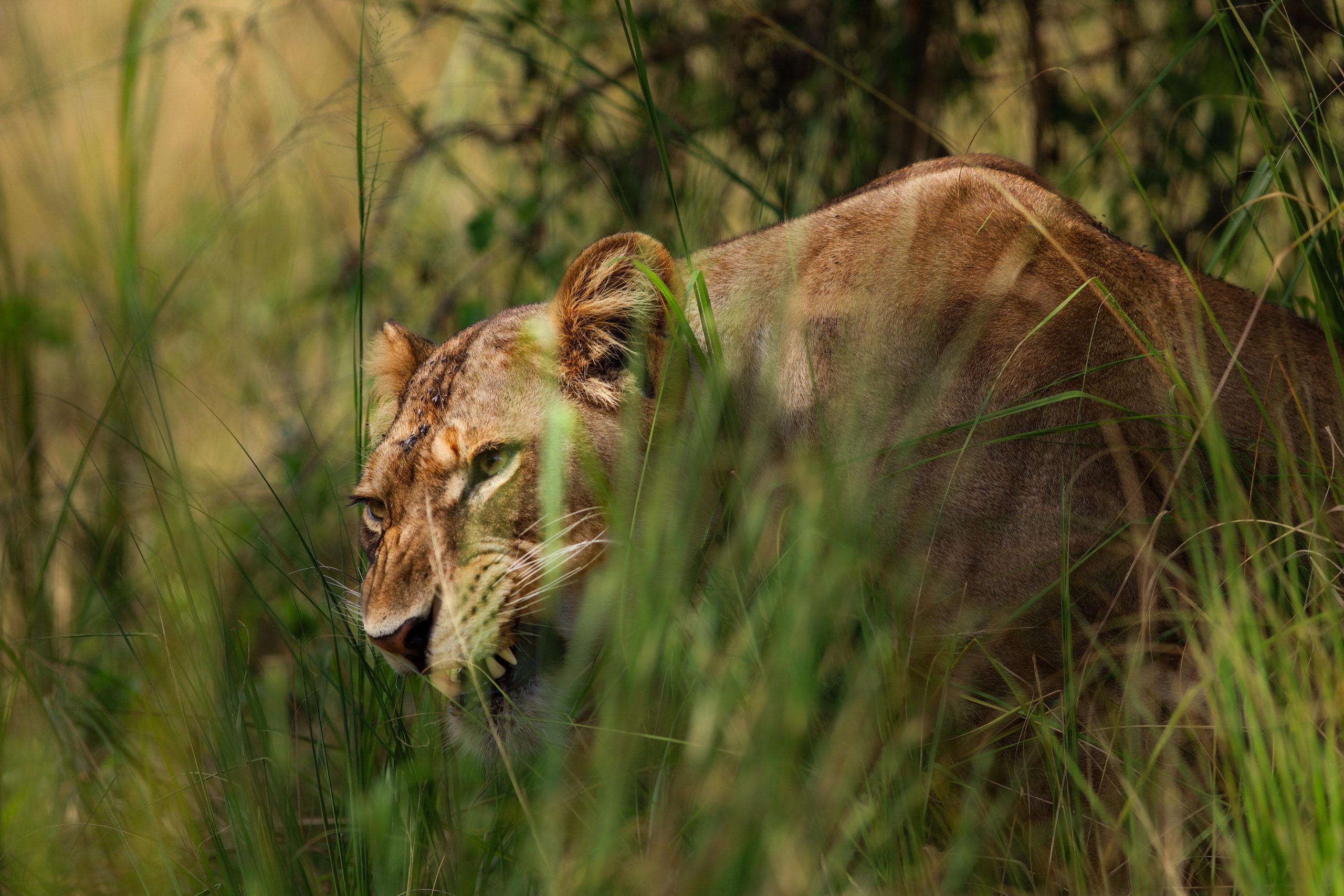
What Animals are Unique to Uganda
What Animals are Unique to Uganda
What Animals Are Unique to Uganda? A Guide to Uganda’s Remarkable Wildlife
Uganda is one of Africa’s most diverse safari destinations, offering an extraordinary combination of savannah wildlife, tropical forests, wetlands, mountains, lakes, and rivers. From mountain gorillas and chimpanzees to Uganda kob, Nubian giraffes, golden monkeys, and the famous shoebill, the country provides wildlife experiences that are difficult to replicate elsewhere.
It is important to clarify one point: Uganda does not have many large mammals that are found exclusively within its national borders. Instead, the country is special because it protects species, subspecies, and wildlife experiences that are particularly associated with Uganda or are especially accessible here. The Albertine Rift, for example, contains numerous species found only within this broader region.
For travelers planning an African safari, this combination makes Uganda a fascinating destination. Turkana Wildlife Safaris Uganda can help travelers explore these distinctive wildlife experiences through carefully planned Uganda safari itineraries.
1. Uganda Kob
One of the animals most strongly associated with Uganda is the Uganda kob (Kobus kob thomasi).
The Uganda kob is a reddish-brown antelope with white markings and ringed, lyre-shaped horns in males. It lives mainly in open grasslands and savannah habitats and feeds primarily on grasses and reeds.
According to the Uganda Wildlife Authority, the Uganda kob is native to parts of Uganda, South Sudan, and northeastern Democratic Republic of Congo. Its historical range also included areas of Kenya and Tanzania where it is no longer found.
Uganda’s recent wildlife surveys recorded 175,109 Uganda kob during 2023–2025, up from 166,526 in 2021–2022, highlighting the species’ importance in the country’s wildlife conservation landscape.
Visitors can encounter Uganda kob in places such as Murchison Falls National Park, Queen Elizabeth National Park, and other suitable savannah areas.
Why Uganda kob are special
Their name itself reflects their strong connection with Uganda. Large herds can sometimes be seen grazing across Uganda’s savannah landscapes, particularly during game drives.
2. Nubian Giraffe
The giraffes found in Uganda are commonly referred to as Nubian giraffes, formerly known as Rothschild’s giraffes.
These giraffes are particularly important because the Nubian giraffe is considered one of the more threatened giraffe populations. Uganda Wildlife Authority identifies Murchison Falls, Lake Mburo, Kidepo Valley and Pian-Upe among the Ugandan areas where these giraffes occur or have been established through conservation efforts.
Uganda’s 2023–2025 wildlife surveys recorded 2,519 Nubian giraffes, compared with 2,414 in 2021–2022.
Where to see giraffes in Uganda
Some of the best-known destinations include:
- Murchison Falls National Park
- Kidepo Valley National Park
- Lake Mburo National Park
- Pian-Upe Wildlife Reserve
A game drive through Murchison Falls or Kidepo can provide excellent opportunities to photograph giraffes against Uganda’s beautiful savannah scenery.
3. Mountain Gorillas
Mountain gorillas are perhaps the wildlife experience most internationally associated with Uganda.
They are not found exclusively in Uganda, because mountain gorillas also occur in neighboring Rwanda and the Democratic Republic of Congo. However, Uganda protects an important population in Bwindi Impenetrable National Park and Mgahinga Gorilla National Park.
The Albertine Rift is recognized as an important center of endemism, with mountain gorillas among the notable species associated with this region.
Uganda’s 2026 State of Wildlife Resources report recorded 459 mountain gorillas in the country’s monitored population.
Gorilla trekking gives visitors the opportunity to enter the forest with trained guides and spend time observing habituated gorilla families in their natural environment.
4. Golden Monkeys
Another remarkable primate found in Uganda is the golden monkey.
Golden monkeys are associated with the Virunga region and are considered part of the Albertine Rift’s distinctive wildlife. Uganda’s Mgahinga Gorilla National Park provides opportunities to track them through montane bamboo and forest habitats.
They are particularly attractive to travelers who want to combine gorilla trekking and golden monkey trekking in one Uganda safari.
The Albertine Rift contains several distinctive primate species, including golden monkeys and other regionally restricted wildlife.
5. Chimpanzees
Chimpanzees are not unique to Uganda, but Uganda is one of Africa’s important destinations for chimpanzee tourism and conservation.
Kibale National Park is particularly famous for chimpanzee trekking and its rich primate diversity. Visitors can walk through the forest with experienced trackers while looking for chimpanzees feeding, communicating, climbing trees, and moving through the canopy.
Uganda’s latest wildlife report indicates that chimpanzee estimates increased from 5,072 to 6,075 across major forest ecosystems between the 2021–2022 and 2023–2025 survey periods.
For travelers interested in primates, Uganda offers the possibility of combining chimpanzees with gorillas, golden monkeys and numerous other monkey species.
6. Shoebill
The shoebill is another animal that makes Uganda particularly attractive to wildlife enthusiasts.
This enormous wetland bird has a distinctive shoe-shaped bill, tall body and prehistoric appearance. Although it is not endemic to Uganda, Uganda is one of the best-known African destinations for searching for this extraordinary bird.
Shoebills can be found in wetlands and marshes, including areas around the Mabamba Bay wetland near Lake Victoria and other suitable wetland habitats.
For birdwatchers, searching for a shoebill can become one of the most memorable experiences of a Uganda safari.
7. Albertine Rift Endemic Wildlife
One of the most important answers to the question “What animals are unique to Uganda?” is the Albertine Rift.
The Albertine Rift is one of Africa’s major biodiversity hotspots. Uganda’s western forests and mountain ecosystems contain numerous species that are endemic or highly restricted to the wider Albertine Rift region.
These include distinctive mammals, primates, amphibians, reptiles and birds.
Some examples include:
- Mountain gorilla
- Golden monkey
- Rwenzori colobus
- Rwenzori-associated small mammals
- Numerous Albertine Rift endemic birds
The Rwenzori ecosystem alone is reported to contain dozens of Albertine Rift endemic species, including mammals, reptiles, amphibians and birds.
This makes western Uganda particularly interesting for travelers who want to explore wildlife beyond the traditional Big Five safari.
8. Rwenzori Colobus
The Rwenzori colobus is another distinctive primate associated with the Albertine Rift.
It can be encountered in forest ecosystems around the Rwenzori region. Like many forest species, it is much less familiar to international travelers than lions, elephants and giraffes, but it contributes significantly to Uganda’s extraordinary biodiversity.
A safari or hiking experience in the Rwenzori region can therefore offer wildlife encounters that are very different from those found in Uganda’s savannah parks.
9. Tree-Climbing Lions
Uganda is also known for a fascinating wildlife behavior: tree-climbing lions.
The Ishasha sector of Queen Elizabeth National Park is particularly famous for lions that climb and rest in large fig and acacia trees.
Tree-climbing lions are not a species unique to Uganda, and similar behavior has been documented elsewhere in East Africa. What makes them special in Uganda is the opportunity to combine this experience with a broader safari through Queen Elizabeth National Park.
Visitors may encounter lions resting high above the ground, sometimes providing spectacular photographic opportunities.
10. Other Distinctive Wildlife in Uganda
Uganda’s wildlife diversity goes far beyond the animals listed above. The country’s protected areas contain hundreds of mammal species as well as an exceptional variety of birds, reptiles and other wildlife. Tourism Uganda lists animals including elephants, lions, leopards, chimpanzees, gorillas, Uganda kob, sitatunga, eland, topi, hartebeest, zebras, hippos and many different monkey species.
Different national parks specialize in different wildlife experiences.
Murchison Falls National Park
Visitors can look for:
- Elephants
- Lions
- Leopards
- Uganda kob
- Nubian giraffes
- Buffaloes
- Hippos
- Nile crocodiles
- Chimpanzees in the wider conservation landscape
- Numerous bird species
Queen Elizabeth National Park
The park is known for:
- Tree-climbing lions
- Elephants
- Buffaloes
- Leopards
- Uganda kob
- Hippos
- Chimpanzees
- Warthogs
- Numerous antelope species
Kidepo Valley National Park
Kidepo provides a different wildlife experience, with species associated with Uganda’s far northeastern savannahs, including:
- Giraffes
- Lions
- Leopards
- Cheetahs
- Elephants
- Buffaloes
- Zebras
- Uganda kob
- Ostriches
- Many other savannah species
Bwindi Impenetrable National Park
Bwindi is particularly important for:
- Mountain gorillas
- Chimpanzees and other primates
- Forest elephants
- Forest antelopes
- Albertine Rift birds
- Numerous forest species
Tourism Uganda notes that Bwindi supports hundreds of bird species, including species associated with the Albertine Rift.
Kibale National Park
Kibale is especially famous for:
- Chimpanzees
- Red colobus monkeys
- Black-and-white colobus monkeys
- L’Hoest’s monkeys
- Blue monkeys
- Red-tailed monkeys
- Other forest primates
Why Uganda’s Wildlife Is Different
Uganda’s greatest wildlife attraction is not necessarily one single animal. It is the combination of ecosystems and species found within a relatively compact country.
A traveler can experience:
Savannah → Forest → Wetland → Mountain → Lakeshore
within one itinerary.
You could begin with lions and giraffes in Murchison Falls, continue to chimpanzee trekking in Kibale, visit tree-climbing lions in Queen Elizabeth, trek mountain gorillas in Bwindi and finish with wildlife viewing around Lake Mburo.
This variety is one of the reasons Uganda is often described as the Pearl of Africa.
Best Uganda Safari for Seeing Unique and Distinctive Wildlife
For travelers specifically interested in Uganda’s unusual wildlife, a multi-destination itinerary can provide a much richer experience than visiting only one park.
A possible itinerary with Turkana Wildlife Safaris Uganda could include:
3 Days – Murchison Falls Safari
Ideal for:
- Uganda kob
- Nubian giraffes
- Elephants
- Lions
- Hippos
- Nile crocodiles
4 Days – Kibale and Queen Elizabeth Safari
Ideal for:
- Chimpanzees
- Forest monkeys
- Tree-climbing lions
- Elephants
- Buffaloes
- Hippos
5–7 Days – Gorilla and Wildlife Safari
Can combine:
- Bwindi gorilla trekking
- Golden monkey trekking
- Queen Elizabeth wildlife viewing
- Boat safari
- Forest experiences
10–14 Days – Ultimate Uganda Wildlife Safari
A longer itinerary can combine several of Uganda’s major wildlife regions, such as:
Murchison Falls → Kibale → Queen Elizabeth → Bwindi → Lake Mburo
This provides opportunities to experience Uganda’s savannah mammals, primates, mountain wildlife, forests, wetlands and birdlife in one journey.
Why Choose Turkana Wildlife Safaris Uganda?
Turkana Wildlife Safaris Uganda can help travelers design customized Uganda safari experiences based on their interests, available time and preferred activities.
Whether your priority is gorilla trekking, chimpanzee trekking, game drives, birdwatching, cultural experiences or discovering Uganda’s less commonly seen wildlife, an itinerary can be designed around the animals and destinations you most want to experience.
The company can also combine several national parks into one Uganda safari, allowing travelers to see how dramatically Uganda’s landscapes and wildlife change from one region to another.
Frequently Asked Questions
1. What animal is unique to Uganda?
There are few large mammals that are strictly endemic to Uganda alone. However, the Uganda kob is strongly associated with Uganda, while the country’s Nubian giraffes, mountain gorillas, golden monkeys and Albertine Rift wildlife provide distinctive experiences.
2. Are Uganda kob only found in Uganda?
No. Uganda kob also occur in parts of South Sudan and northeastern Democratic Republic of Congo. However, Uganda is an important stronghold for the species.
3. Are mountain gorillas unique to Uganda?
No. Mountain gorillas also occur in Rwanda and the Democratic Republic of Congo. Uganda is nevertheless one of the world’s major destinations for mountain gorilla trekking.
4. Where can I see Uganda kob?
Uganda kob can be seen in several savannah areas, including Murchison Falls and Queen Elizabeth National Parks.
5. Where can I see Nubian giraffes in Uganda?
Murchison Falls National Park is one of the major destinations. Giraffes are also found in Kidepo Valley National Park, Lake Mburo National Park and Pian-Upe Wildlife Reserve.
6. Where can I see golden monkeys?
Golden monkey trekking is available in Mgahinga Gorilla National Park in southwestern Uganda.
7. Where can I see chimpanzees?
Kibale National Park is one of Uganda’s best-known chimpanzee trekking destinations. Other forests and protected areas also support chimpanzees.
8. Can I see tree-climbing lions in Uganda?
Yes. The Ishasha sector of Queen Elizabeth National Park is particularly well known for tree-climbing lions.
9. What is the rarest animal to see in Uganda?
The answer depends on the species and location. Some small Albertine Rift mammals are extremely localized and difficult to observe, while species such as shoebills can also require patience and specialized birding trips.
10. Is Uganda good for wildlife safaris?
Yes. Uganda combines savannah wildlife, primates, mountain ecosystems, wetlands and exceptional birdlife. The country’s latest wildlife surveys also show population increases for several major species, including Uganda kob, buffalo, hippos, zebras and Nubian giraffes.
11. Can I see the Big Five in Uganda?
Yes. Lions, leopards, elephants, buffaloes and rhinos can all be seen in Uganda, although the experience differs by park and species.
12. How can I organize a wildlife safari in Uganda?
You can work with Turkana Wildlife Safaris Uganda to create a private, group, budget, mid-range or luxury itinerary based on your preferred wildlife experiences and travel dates.
Conclusion
So, what animals are unique to Uganda?
While relatively few large mammals are found exclusively within Uganda’s borders, the country offers an impressive collection of distinctive, rare and regionally restricted wildlife. Uganda kob, Nubian giraffes, mountain gorillas, golden monkeys, Rwenzori-associated species, Albertine Rift wildlife and the remarkable shoebill all contribute to Uganda’s unique safari identity.
The real strength of Uganda is its diversity. In a single trip, travelers can move from open savannahs filled with giraffes and Uganda kob to tropical forests inhabited by chimpanzees and gorillas, and then into wetlands where extraordinary birds such as the shoebill can be found.
For travelers looking to discover these animals and explore the country’s national parks, Turkana Wildlife Safaris Uganda can create a customized safari designed around your wildlife interests.
Uganda is more than a destination for seeing animals, it is a destination for discovering some of Africa’s most remarkable ecosystems and wildlife experiences.