
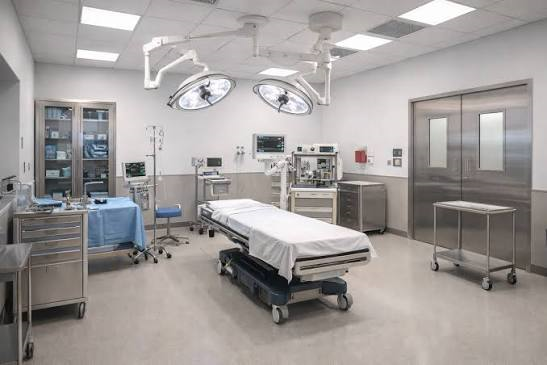
Are Hospitals Available Near National Parks
Are Hospitals Available Near National Parks
Are Hospitals Available Near National Parks in Uganda?
Introduction
Uganda is home to some of Africa’s most spectacular national parks, including Bwindi Impenetrable National Park, Queen Elizabeth National Park, Murchison Falls National Park, and Kibale National Park. Travelers planning a safari adventure often wonder whether hospitals or medical facilities are available near these remote wilderness areas. The answer is yes, medical facilities do exist near Uganda’s national parks, but they are typically located in nearby towns and regional centers rather than inside the parks themselves.
Understanding the healthcare landscape before your safari is essential for a safe and enjoyable trip. Whether you are planning gorilla trekking in Bwindi, chimpanzee tracking in Kibale, or wildlife viewing in Queen Elizabeth National Park, knowing where to find medical help can provide peace of mind. This comprehensive guide covers hospitals and medical facilities near Uganda’s major national parks, emergency medical services, and practical health tips for safari travelers.
If you are planning a Uganda safari, working with an experienced operator like Turkana Wildlife Safaris can help you prepare for medical contingencies and ensure your safety throughout your journey. Their team is trained in first aid and emergency readiness, giving travelers added confidence in remote areas.
Understanding Healthcare Near Uganda’s National Parks
No Full Service Hospitals Inside the Parks
It is important to set realistic expectations about healthcare within Uganda’s national parks. Generally, you should not expect a fully equipped hospital inside a Ugandan national park. National parks are protected wildlife areas with infrastructure designed around conservation and tourism rather than comprehensive medical care. You may find basic first aid support through guides, rangers, lodges, or safari operators, but this should not be confused with a hospital or fully equipped medical center.
For serious medical problems, travelers may need to be transferred outside the park to a nearby town or larger medical facility. This distinction is particularly important for travelers participating in activities such as gorilla trekking, chimpanzee tracking, and mountain hiking.
Medical Facilities in Nearby Towns
Medical services are generally concentrated in nearby towns and population centers. The type of facility available may range from small clinics and health centers to larger hospitals capable of providing more comprehensive treatment. For minor problems, a nearby clinic or health center may be sufficient. More serious conditions may require transportation to a larger hospital in a regional town or city.
Hospitals and Medical Facilities Near Major National Parks
Bwindi Impenetrable National Park
Bwindi Impenetrable National Park is one of Uganda’s most famous destinations for mountain gorilla trekking. The park is spread across a remote mountainous area, and hospitals are generally located outside the forest. The forest is divided into several trekking sectors including Buhoma, Ruhija, Rushaga, and Nkuringo, and medical services are available in communities and towns around these different sectors.
Bwindi Community Hospital is a key medical facility located near the Buhoma sector of the park, just about one kilometer from Bwindi Impenetrable Forest. Founded in 2003, it operates on the edge of the forest and provides healthcare to local communities as well as travelers. The hospital is a Church of Uganda initiative under the Diocese of Kinkizi.
For more serious medical needs, Kabale Regional Referral Hospital serves the wider southwestern region and is one of the important referral facilities for travelers visiting southwestern Uganda. Kabale is an important transport hub for visitors traveling toward Bwindi and other destinations in the region. Travelers visiting the southern and eastern sectors of Bwindi may also use healthcare facilities around Kisoro and nearby towns.
Bwindi’s terrain can make transportation more complicated than it would be in a major city. A lodge may be relatively close to a clinic geographically, but mountainous roads and weather conditions can affect journey times. Travelers should avoid thinking only in terms of straight-line distance, as road accessibility is often more important than the distance shown on a map.
Mgahinga Gorilla National Park
Mgahinga Gorilla National Park is located in southwestern Uganda near the town of Kisoro. Travelers visiting Mgahinga should remember that the park itself is a wilderness environment, and medical facilities are located in nearby towns rather than inside the national park. For travelers on gorilla or golden monkey trekking adventures, it is particularly important to have travel insurance, emergency contact information, prescribed medication, and copies of important medical documents. Kabale Regional Referral Hospital is one of the major referral facilities serving this region.
Kibale National Park
Kibale National Park is one of Uganda’s leading destinations for chimpanzee trekking, forest walks, and primate experiences. The closest major urban medical center is Fort Portal, which has several healthcare facilities.
Fort Portal Regional Referral Hospital is a government regional referral hospital serving the area. Buhinga Regional Referral Hospital is also listed among healthcare facilities in the Fort Portal area. A private healthcare option in the region is Holy Family Virika Hospital, which is described as a major private hospital serving Fort Portal and surrounding communities. For travelers staying around Kibale, Fort Portal is an important town to know when planning medical contingencies.
Additionally, Bigodi Health Centre III is located near Kibale National Park and serves the surrounding community.
Queen Elizabeth National Park
Queen Elizabeth National Park is one of Uganda’s most visited safari destinations, famous for tree-climbing lions in Ishasha, elephants, buffaloes, hippos, leopards, Kazinga Channel boat cruises, and chimpanzee trekking in Kyambura Gorge. The park covers a large area, meaning the nearest appropriate medical facility can depend on which sector a traveler is visiting.
Ishaka Adventist Hospital is a key medical facility serving the Queen Elizabeth National Park region. It is located approximately 44 kilometers from the park area and is within reach of several safari lodges in the region. The hospital is also near Kampala International University Western Campus, which adds to the medical resources in the area.
Murchison Falls National Park
Murchison Falls National Park is located in a remote area of northwestern Uganda, which means access to medical facilities is limited. However, tourists can find hospitals in nearby towns and districts around the park. The nearest major hospitals are found in Masindi, Hoima, Gulu, Buliisa, and Pakwach.
Masindi General Hospital is a public health facility in Masindi that provides first aid, basic medical services, and some surgical care. Hoima Regional Referral Hospital is located about 150 kilometers south of Murchison Falls and offers emergency treatment. Gulu Regional Referral Hospital, found north of the park, is the largest hospital in Northern Uganda and handles emergencies and specialized care.
Smaller health centers are also found in districts like Buliisa and Pakwach. Buliisa Health Centre IV is located south of the park and offers first aid and simple treatment. Pakwach Health Centre IV is a small medical facility in Pakwach town that handles emergencies, with serious cases referred to larger hospitals. While there are no hospitals inside Murchison Falls National Park, tourists can still access medical care in nearby towns and districts.
Kidepo Valley National Park
Kidepo Valley National Park is Uganda’s most remote national park, located in the northeastern Karamoja region near the borders with South Sudan and Kenya. Due to its remote location, medical facilities are limited. However, community initiatives have helped establish basic healthcare access. Apoka Safari Lodge has connections with local communities that enabled the establishment of a clinic, with a physician visiting the area on a regular basis. For more serious medical needs, Gulu Regional Referral Hospital is the nearest major referral facility.
Lake Mburo National Park
Lake Mburo National Park benefits from a community revenue-sharing model where 20 percent of park entrance fees are channeled into community development projects including schools, healthcare, and water infrastructure. This model has helped develop clinics and health facilities in communities surrounding the park. Travelers visiting Lake Mburo can access medical facilities in nearby towns such as Mbarara, which has larger referral hospitals.
Emergency Medical Services and Air Evacuation
For travelers visiting remote safari destinations, understanding emergency medical services is crucial. AMREF Flying Doctors, often referred to as the “Angels of the Sky,” offers professional air ambulance services that connect remote wilderness areas with world-class medical care. If an emergency occurs, such as a broken ankle from a hiking accident, your safari guide can contact the 24-hour Emergency Control Centre directly, allowing medical experts to take over promptly.
Several organizations have invested in training frontline workers in advanced medical skills. Programs have been implemented to train rangers, guides, porters, and chefs in advanced wilderness first aid, CPR, and complex evacuation standards. These skills are essential for managing medical emergencies in challenging environments like the Rwenzori Mountains and Bwindi Impenetrable Forest.
Turkana Wildlife Safaris prioritizes traveler safety by equipping all vehicles with first aid kits and safety equipment. Their drivers are not only expert guides but also trained in basic first aid and mechanical troubleshooting, ensuring preparedness for unexpected situations on safari.
Practical Health Tips for Uganda Safari Travelers
Before You Travel
Consult your doctor or a travel clinic at least 4 to 8 weeks before departure to discuss your itinerary and any recommended vaccinations. It is essential to check the latest health and vaccination requirements for your destination. Turkana Wildlife Safaris recommends consulting a healthcare professional and checking CDC or WHO guidelines before traveling to East Africa.
Travel Insurance
While travel insurance is not mandatory for safaris, it is strongly recommended that all travelers have comprehensive travel insurance to cover unforeseen circumstances including medical emergencies and evacuation.
Medications and First Aid
Carry any prescribed medications in their original containers, along with copies of important medical documents. A basic first aid kit including medications for common conditions such as malaria, diarrhea, and pain relief is advisable. Safari vehicles operated by reputable companies like Turkana Wildlife Safaris are equipped with first aid kits and safety equipment.
Malaria Prevention
Malaria is a risk in many parts of Uganda, including areas near national parks. Travelers should take antimalarial medication as prescribed and use insect repellent, especially during evening and night hours.
Frequently Asked Questions
Are there hospitals inside Uganda’s national parks?
No, you should not expect a fully equipped hospital inside a Ugandan national park. National parks are protected wildlife areas with infrastructure designed around conservation and tourism rather than comprehensive medical care. Basic first aid may be available through guides, rangers, and lodges, but serious medical issues require transfer to facilities outside the park.
What is the closest hospital to Bwindi Impenetrable National Park?
Bwindi Community Hospital is located near the Buhoma sector, approximately one kilometer from the park boundary. For more serious medical needs, Kabale Regional Referral Hospital serves the wider southwestern region and is approximately two to three hours from Buhoma.
What medical facilities are available near Queen Elizabeth National Park?
Ishaka Adventist Hospital is a key medical facility serving the Queen Elizabeth National Park region, located approximately 44 kilometers from the park. Several safari lodges in the region are within reach of this hospital.
Are there hospitals near Murchison Falls National Park?
Yes, the nearest major hospitals are found in Masindi, Hoima, Gulu, Buliisa, and Pakwach. Masindi General Hospital, Hoima Regional Referral Hospital, and Gulu Regional Referral Hospital are the major referral facilities serving the area.
What should I do in case of a medical emergency during a safari?
In case of a medical emergency, your safari guide should be your first point of contact. Reputable operators like Turkana Wildlife Safaris equip their vehicles with first aid kits and train their guides in basic first aid. For serious emergencies, air evacuation services such as AMREF Flying Doctors can connect remote areas with advanced medical care.
Do I need travel insurance for a Uganda safari?
While travel insurance is not mandatory, it is strongly recommended for all travelers. Comprehensive travel insurance should cover medical emergencies, evacuation, and unforeseen circumstances. Turkana Wildlife Safaris recommends that all clients have comprehensive travel insurance.
What vaccinations do I need before traveling to Uganda?
You should consult your doctor or a travel clinic at least 4 to 8 weeks before departure to discuss recommended vaccinations for Uganda. Yellow fever vaccination is typically required for entry, and other vaccinations such as hepatitis A, typhoid, and tetanus may be recommended. Checking CDC or WHO guidelines is also advised.
Can I get malaria in Uganda’s national parks?
Yes, malaria is a risk in many parts of Uganda, including areas near national parks. Travelers should take antimalarial medication as prescribed by their doctor and use insect repellent, especially during evening and night hours. Rapid malaria tests are available at many health facilities.
Conclusion
Hospitals and medical facilities are available near Uganda’s national parks, but they are located in nearby towns and regional centers rather than inside the parks themselves. Bwindi Impenetrable National Park has Bwindi Community Hospital near the Buhoma sector and Kabale Regional Referral Hospital as a major referral facility. Queen Elizabeth National Park is served by Ishaka Adventist Hospital. Murchison Falls National Park has access to hospitals in Masindi, Hoima, Gulu, Buliisa, and Pakwach. Kibale National Park is served by Fort Portal Regional Referral Hospital and Holy Family Virika Hospital.
For travelers planning a Uganda safari, understanding the healthcare landscape is an essential part of preparation. Working with an experienced safari operator like Turkana Wildlife Safaris ensures that your safety is prioritized through well-equipped vehicles, trained guides, and emergency preparedness. Their commitment to safety and first aid readiness provides travelers with confidence to explore Uganda’s magnificent national parks.
Whether you are trekking mountain gorillas in Bwindi, tracking chimpanzees in Kibale, or enjoying wildlife viewing in Queen Elizabeth National Park, being informed about medical facilities near Uganda’s national parks helps you travel responsibly and with peace of mind. Comprehensive travel insurance, proper vaccinations, and awareness of nearby medical facilities are essential components of a safe and memorable Uganda safari adventure.