
Packing and Travel Tips
Packing and Travel Tips
Packing and Travel Tips for an Unforgettable Uganda Safari
Uganda, often called the Pearl of Africa, offers one of the most diverse safari experiences on the continent. From tracking mountain gorillas through misty rainforests to cruising the Nile in search of shoebill storks, this East African gem rewards travelers who arrive well prepared. Whether you are planning your first gorilla trekking adventure or returning for another wildlife encounter, understanding what to pack and how to prepare can transform your journey from good to extraordinary. This comprehensive guide covers everything you need to know about packing and travel tips for your Uganda safari.
Book your Uganda safari with confidence through Turkana Wildlife Safaris, a trusted local operator specializing in gorilla trekking and wildlife adventures across East Africa. Explore their Uganda safari packages to find the perfect itinerary for your travel dates.
Why Proper Packing Matters for Your Uganda Safari
Packing incorrectly for a Uganda safari can genuinely affect your experience. Too much luggage means paying excess baggage fees on domestic flights, while too little leaves you cold, wet, or vulnerable to insect bites. Choosing the wrong colors can even alert wildlife to your presence before you have a chance to observe them.
Uganda’s climate varies dramatically across regions. Temperatures in Bwindi Impenetrable Forest can drop to around 10°C at night, while Murchison Falls National Park often reaches 30°C during the day. This range means layering is not just a suggestion but a necessity. The golden rule for Uganda safari packing is straightforward: neutral colors, smart layers, and waterproof protection for everything.
Essential Clothing for Your Uganda Safari
Color Choices That Work with Nature
The colors you wear on safari directly impact your wildlife viewing experience. Khaki, olive, tan, brown, and dark green blend naturally with the environment and are strongly recommended. Black and dark blue clothing should be avoided because these colors attract tsetse flies, which can deliver painful bites. White clothing stands out dramatically and gets dirty almost immediately, while bright reds, yellows, and oranges can frighten wildlife before you get close enough for that perfect photograph.
Core Clothing Items to Pack
For a typical Uganda safari, you should bring three to four long-sleeved shirts in neutral colors for sun and insect protection, along with three to four pairs of lightweight quick-dry trousers that can be tucked into socks to prevent ant bites. Include two to three short-sleeved shirts for relaxing at your lodge in the evenings, plus one or two pairs of shorts for lodge use only. A fleece or lightweight jacket is essential for chilly mornings and evenings, and a waterproof rain jacket with a hood is necessary year-round since rain can occur at any time.
Do not forget a wide-brimmed hat for sun protection during game drives and a beanie or warm hat for cold mornings at high altitudes in Bwindi. A scarf or buff is useful for dust protection on game drives, and a swimsuit allows you to enjoy lodge pools after a rewarding trek.
Fabric Matters More Than You Think
Merino wool is the best fabric choice for safari because it stays warm even when wet and resists odors naturally. Nylon and polyester blends are good alternatives since they dry quickly and remain lightweight. Cotton should be avoided because it absorbs water, dries slowly, and becomes cold when wet, which is particularly uncomfortable after a rain shower during gorilla trekking.
Footwear for Trekking and Game Drives
Your footwear is arguably the most important part of your safari packing. Waterproof, ankle-high hiking boots with deep tread soles are essential for gorilla trekking and chimpanzee tracking, as trails can be steep, slippery, and muddy. These boots must be broken in well before your trip; wearing new boots on a six-hour forest trek is a recipe for blisters and misery. Brands like Merrell, Keen, Salomon, and Lowa are popular choices among experienced safari travelers.
Bring comfortable walking shoes or sneakers for lodge wear and game drives, and consider sandals for relaxing around camp. Moisture-wicking socks in a wool blend help prevent blisters and keep your feet dry during long days of exploration.
Documents and Entry Requirements
Your travel documents form the foundation of your entire safari, and no amount of good gear compensates for missing paperwork. Your passport must be valid for at least six months beyond your arrival date in Uganda and should have a minimum of two blank pages for stamps and visa stickers. Most international visitors need a tourist visa, which can be obtained through the Uganda e-visa portal for USD 50 and is valid for 90 days. If you plan to combine Uganda with Kenya or Rwanda, the East African Tourist Visa costs USD 100 and covers all three countries for 90 days, offering genuine value for multi-country itineraries.
The yellow fever vaccination certificate is mandatory for entry into Uganda, and you must carry the original International Certificate of Vaccination. This vaccination must be administered at least ten days before travel. If your safari includes gorilla trekking, carry printed or digital copies of your permits along with your passport, as you will present both at the park briefing point on the morning of your trek.
Turkana Wildlife Safaris can help you arrange all necessary permits and documentation for your Uganda safari. Visit their website for expert guidance on planning your trip.
Health and Medical Essentials
Vaccinations and Malaria Prevention
Beyond the mandatory yellow fever vaccine, the World Health Organization recommends additional vaccinations for Hepatitis A, Typhoid, Hepatitis B, and Rabies, particularly for travelers planning time in rural areas or extended stays. Consult a travel clinic at least six to eight weeks before departure to ensure you have adequate time for any multi-dose vaccine series.
Malaria risk is high throughout Uganda, making prevention essential. This includes both antimalarial medication and consistent use of mosquito repellent containing DEET. Sleeping under a mosquito net, which most safari lodges provide, adds another layer of protection. If you develop a fever during or after your journey, seek testing for malaria as soon as possible.
First Aid Kit and Medications
Carry a basic first aid kit with hand sanitizer, antiseptic cream, bandages, blister care supplies, and any prescription medications you require. Include pain relievers, antihistamines for allergic reactions, and rehydration salts. If you take regular medication, bring enough for your entire trip plus a few extra days in case of travel delays.
Safari Gear and Equipment
Binoculars are arguably the most important piece of equipment you can bring on safari. A good pair dramatically enhances your wildlife viewing, allowing you to observe animals in detail without disturbing them. Camera equipment with zoom capabilities is essential for capturing the incredible wildlife encounters you will experience.
Pack a waterproof dry bag to protect your camera and electronics during forest treks, as rain can occur unexpectedly. Garden gloves are surprisingly useful for gorilla trekking, helping you grip vegetation on steep slopes and protecting your hands from stinging nettles. A small backpack carries water, snacks, and your packed lunch during trekking activities.
A reusable water bottle with at least one to two liters capacity keeps you hydrated throughout the day. Energy snacks like nuts and dried fruit provide quick fuel during long treks. Do not forget strong insect repellent, sunscreen with high SPF, sunglasses with UV protection, and lip balm with sun protection.
Luggage Restrictions and Smart Packing
If your itinerary includes domestic flights between parks, luggage is typically limited to 15 kilograms (33 pounds) per person, including hand luggage, in soft-sided bags. Hard-shell suitcases are not suitable for small aircraft because they take up too much space and cannot be easily stored. Soft duffel bags or backpacks without rigid frames are the best choice for safari travel.
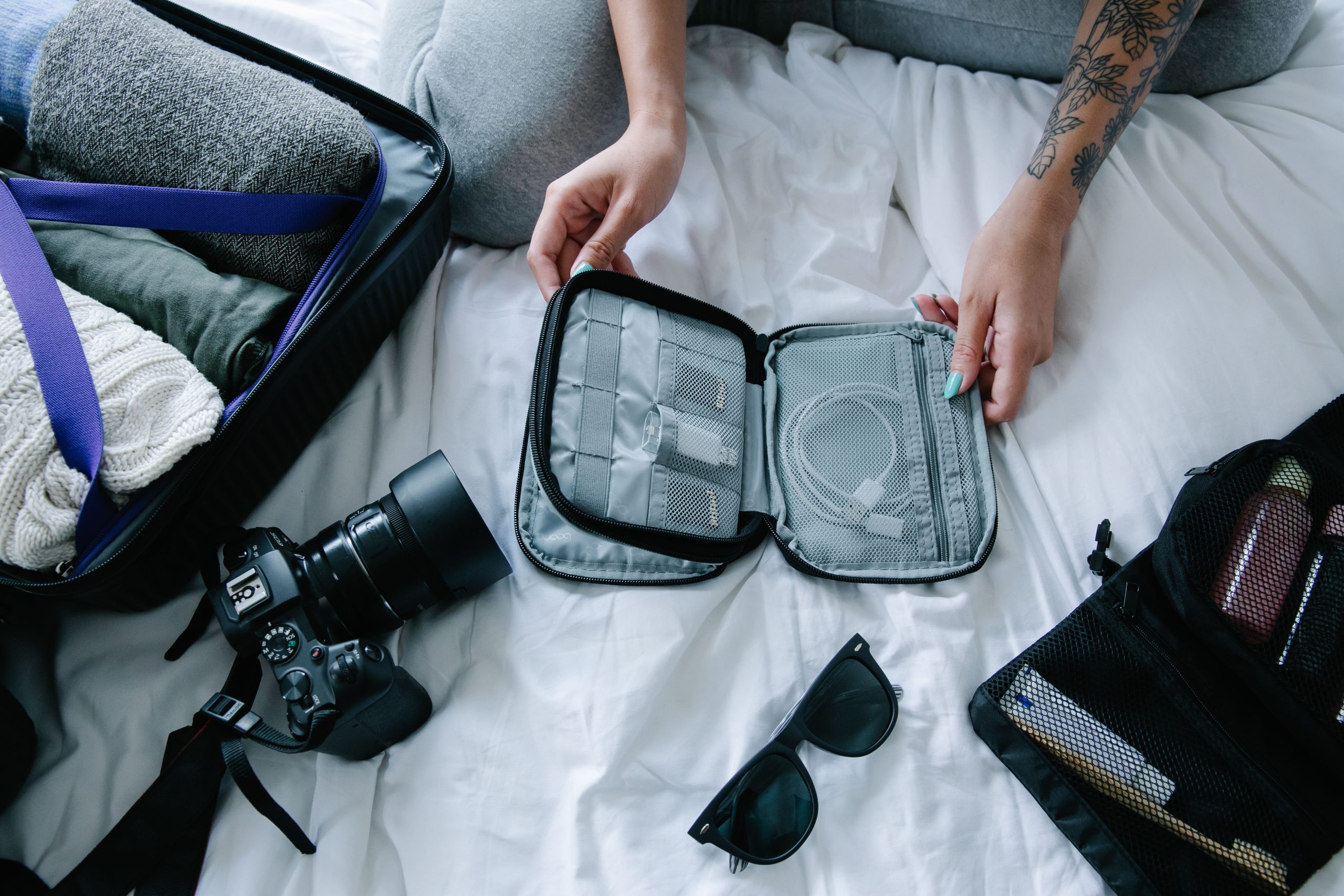
Plan to roll your clothing rather than fold it, and use packing cubes or stuff sacks to maximize space and stay organized. Keep heavy items low in your bag for better stability. For road safaris only, slightly larger soft duffel bags weighing 15 to 20 kilograms per person are acceptable.
Best Time to Visit Uganda for Safari
Uganda’s prime safari months are June to September and December to February, which are the dry seasons. During these periods, trails are firmer and more passable, wildlife concentrates around water sources, and gorilla trekking conditions are optimal. July and August align with European summer holidays, making them the most popular and busiest months. The shoulder season in March, October, and early November offers lower prices, fewer tourists, and better gorilla permit availability, with rain typically falling in short afternoon bursts rather than all-day downpours.
The wet seasons from March to May and September to November bring lush landscapes and fewer crowds, but trekking can be more challenging with muddy trails and dense vegetation. For travelers prioritizing photography of green landscapes and bird watching, the wet seasons offer unique advantages.
Travel Tips for a Smooth Uganda Safari
Book your gorilla permits well in advance, as they sell out during peak season, sometimes three to six months ahead of time. A maximum of eight visitors per gorilla family per day keeps the experience intimate and protects the animals. Working with a licensed Uganda tour operator simplifies the permit application process and ensures your dates align with the rest of your itinerary.
Pants should be tucked into socks and boots while trekking to prevent ants and other insects from reaching your skin. This simple step significantly improves comfort during forest walks. Listen carefully to your guide’s safety instructions before any activity, and follow all park regulations, which exist to protect both visitors and wildlife.
Many Ugandans speak English fluently, making communication easy for international visitors. Kiswahili is also widely spoken, along with Luganda in the central region and various other local languages. Learning a few basic greetings in Luganda or Kiswahili is a wonderful way to connect with local communities.
Frequently Asked Questions About Uganda Safari Packing and Travel
What should I wear on a Uganda safari?
Wear neutral colors like khaki, olive, tan, and brown. Avoid black and dark blue because they attract tsetse flies, and avoid white or bright colors because they alert wildlife to your presence. Long-sleeved shirts and long trousers protect against sun, insects, and stinging nettles.
Do I need hiking boots for gorilla trekking in Uganda?
Yes, waterproof ankle-high hiking boots with deep tread are essential. The forest trails can be steep, slippery, and muddy, and proper footwear prevents blisters and twisted ankles. Break in your boots for at least two to four weeks before travel.
What vaccinations do I need for a Uganda safari?
Yellow fever vaccination is mandatory for entry into Uganda. Additional recommended vaccinations include Hepatitis A, Typhoid, Hepatitis B, and Rabies. Consult a travel clinic at least six to eight weeks before departure.
How much luggage can I bring on a Uganda safari?
If your itinerary includes domestic flights, luggage is typically limited to 15 kilograms (33 pounds) per person in soft-sided bags. For road safaris only, 15 to 20 kilograms per person is acceptable. Always use soft duffel bags rather than hard suitcases.
When is the best time to visit Uganda for safari?
The dry seasons from June to September and December to February offer the best conditions for gorilla trekking and wildlife viewing. The shoulder seasons in March, October, and early November provide fewer crowds and lower prices.
Is malaria a risk in Uganda?
Yes, malaria risk is high throughout Uganda. Take antimalarial medication as prescribed, use insect repellent containing DEET, and sleep under a mosquito net. If you develop a fever during or after travel, seek testing for malaria immediately.
Can I drink tap water in Uganda?
It is not recommended to drink tap water in Uganda. Stick to bottled or purified water, and use a reusable water bottle with a filter if you prefer to minimize plastic waste. Most lodges provide purified drinking water.
What camera equipment should I bring on safari?
Bring a camera with zoom capabilities, spare batteries, and a waterproof dry bag to protect your equipment during forest treks. Binoculars are also essential for wildlife viewing.
Conclusion
A Uganda safari is a transformative travel experience that rewards thoughtful preparation. By packing the right clothing in neutral colors, bringing essential trekking footwear, securing your documentation and vaccinations well in advance, and respecting luggage restrictions, you set yourself up for an unforgettable adventure in the Pearl of Africa. The key principles are simple: pack light, layer smart, choose neutral colors, and protect everything from rain and insects.
The memories you create while tracking mountain gorillas through ancient rainforests, cruising past hippos and crocodiles on the Nile, and spotting shoebill storks in wetland marshes will stay with you forever. With proper packing and travel preparation, you can focus entirely on the extraordinary wildlife and landscapes that make Uganda one of Africa’s most rewarding safari destinations.
Ready to start planning your Uganda safari adventure? Contact Turkana Wildlife Safaris to explore their range of safari packages, including gorilla trekking tours, wildlife safaris, and birding expeditions across Uganda and East Africa. Their experienced team can help you create a personalized itinerary that matches your interests and travel style.