
Asiatic Lion Facts
Asiatic Lion Facts
The Asiatic Lion: 4000 Words of Fascinating Facts, Conservation Insights, and Untold Stories
Introduction
The majestic Asiatic lion, also known as the Indian lion or Panthera leo persica, is one of the most iconic and endangered big cats on the planet. Unlike its African cousin, this regal feline roams a very limited territory in the Gir Forest of Gujarat, India. With a unique blend of physical traits, historical significance, and ecological importance, the Asiatic lion is a symbol of strength, resilience, and cultural heritage.
In this comprehensive guide, we delve deep into the world of the Asiatic lion—exploring its biology, habitat, behavior, conservation efforts, and the challenges it faces in the modern world.
Physical Characteristics of the Asiatic Lion
The Asiatic lion differs from its African counterpart in several subtle but significant ways. These distinctions are not only physical but also behavioral and ecological.
Key Features
- Smaller Mane: Male Asiatic lions have a shorter, sparser mane, which reveals their ears—a feature not typically visible in African lions.
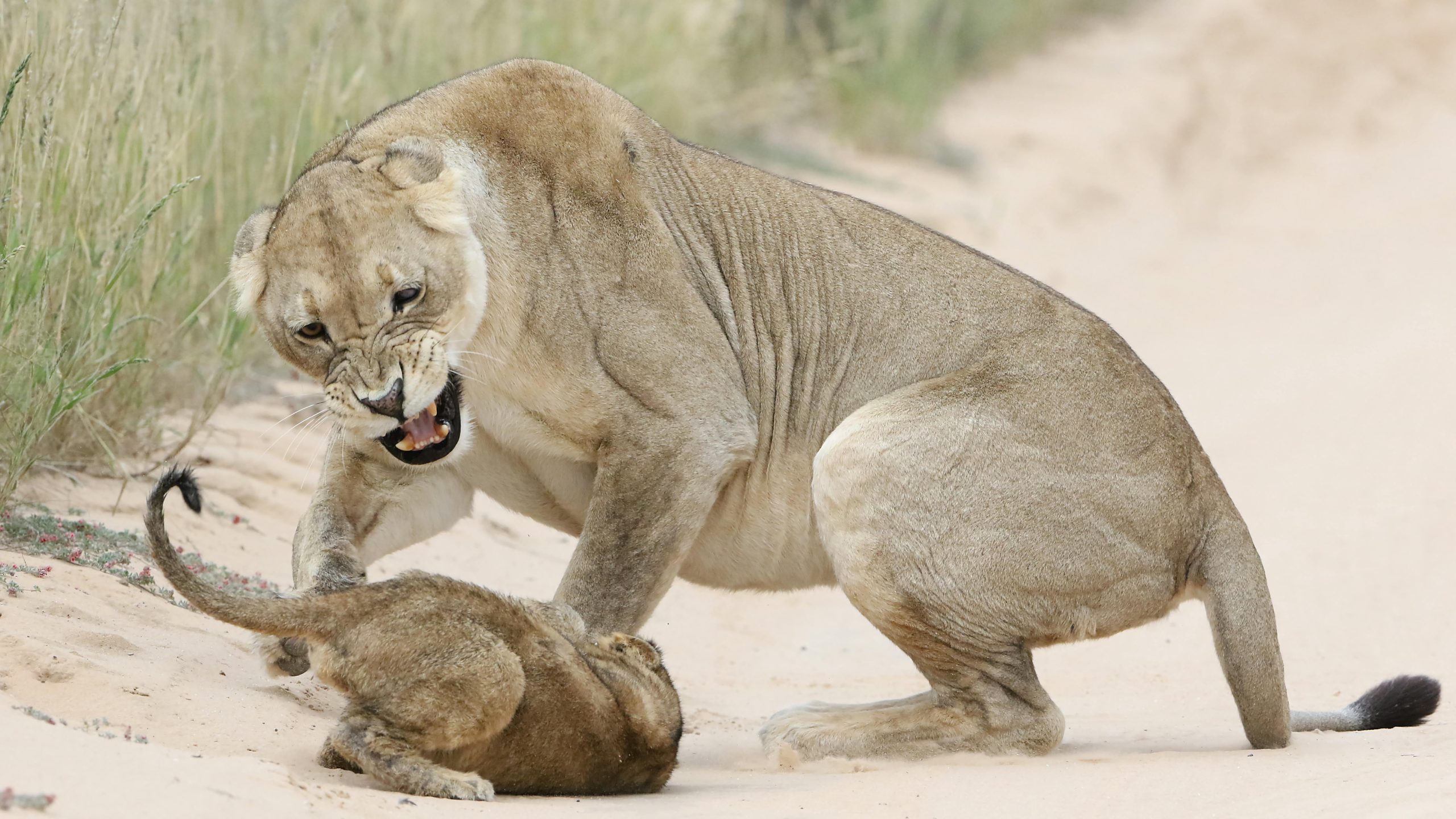
- Skin Fold: A distinctive longitudinal fold of skin runs along their bellies, a trait absent in African lions.
- Size: Generally smaller in size, with males weighing between 160–190 kg and females between 110–120 kg.
- Coloration: Their coat is a lighter, sandy color, offering excellent camouflage in the dry deciduous forests of India.
These adaptations are crucial for survival in the unique environment of the Gir Forest, the last bastion of the Asiatic lion.
Habitat and Distribution
The Gir Forest: A Last Refuge
The Gir National Park in Gujarat, India, is the only place in the world where Asiatic lions exist in the wild. Spanning over 1,400 square kilometers, this protected area includes dry deciduous forests, grasslands, and scrublands.
Historical Range
Historically, the Asiatic lion ranged from the Mediterranean to India. However, due to hunting, habitat loss, and human conflict, their range has shrunk drastically.
Current Distribution
- Core Area: Gir National Park and Wildlife Sanctuary
- Buffer Zones: Surrounding community forests and agricultural lands
- Recent Expansion: Lions have been spotted in coastal areas and even near human settlements, indicating a growing population.
Diet and Hunting Behavior
As apex predators, Asiatic lions play a critical role in maintaining the balance of their ecosystem.
Primary Diet
- Ungulates: Chital (spotted deer), sambar, nilgai, and wild boar
- Livestock: Occasionally prey on domestic animals, leading to human-wildlife conflict
Hunting Techniques
- Stalking and Ambushing: Lions use stealth and cover to get close to their prey before launching an attack.
- Group Hunting: Although less social than African lions, females may collaborate during hunts.
Feeding Behavior
- Scavenging: Not above scavenging from other predators or feeding on carrion
- Feeding Hierarchy: Males eat first, followed by females and cubs
Social Structure and Reproduction
Unlike their African relatives, Asiatic lions exhibit a more fragmented social structure.
Pride Dynamics
- Smaller Prides: Typically consist of 2–3 females and their offspring
- Male Coalitions: Males often form coalitions of 2–3 individuals to control territory and access to females
Reproductive Cycle
- Mating Season: Year-round, with peaks during winter
- Gestation Period: Approximately 110 days
- Litter Size: 2–4 cubs
- Cub Mortality: High, due to predation, disease, and infanticide
Historical Significance
The Asiatic lion holds a revered place in Indian history and mythology.
Cultural Importance
- Emblem of India: The Lion Capital of Ashoka, featuring four Asiatic lions, is the national emblem.
- Mythology and Folklore: Featured in Hindu, Buddhist, and Jain texts as a symbol of power and protection
Royal Symbol
- Mughal and Rajput Dynasties: Lions were kept in royal menageries and used as symbols of sovereignty.
- British Colonial Era: Excessive hunting led to a dramatic decline in their numbers.
Conservation Status and Efforts
IUCN Red List
The Asiatic lion is listed as Endangered on the IUCN Red List, with an estimated population of around 600 individuals in the wild.
Key Conservation Initiatives
- Project Lion: Launched by the Government of India to protect and expand lion habitats.
- Relocation Plans: Proposals to establish a second population in other parts of India, such as Kuno-Palpur Wildlife Sanctuary.
- Community Involvement: Local communities are engaged in conservation through eco-tourism and compensation schemes for livestock loss.
Organizations Involved
Threats to Survival
Despite conservation successes, the Asiatic lion faces numerous threats.
Natural Threats
- Disease Outbreaks: Canine distemper virus (CDV) poses a significant risk.
- Genetic Bottleneck: Low genetic diversity increases vulnerability to disease and reduces adaptability.
Human-Induced Threats
- Habitat Fragmentation: Expansion of agriculture and infrastructure disrupts natural corridors.
- Poaching and Retaliatory Killings: Though rare, still a concern.
- Vehicle Collisions: Increasing reports of lions being hit by trains and vehicles.
Ecological Importance
The Asiatic lion is a keystone species, meaning its presence significantly influences the structure and function of its ecosystem.
Role in the Ecosystem
- Population Control: Regulates herbivore numbers, preventing overgrazing
- Carrion Consumption: Helps in nutrient recycling
- Indicator Species: Their health reflects the overall condition of the ecosystem
Asiatic Lions in Popular Culture
The lion has long been a symbol of courage, nobility, and strength in Indian culture.
In Media
- Documentaries: Featured in BBC’s “The Last Lions of India” and National Geographic specials
- Literature: Referenced in ancient texts like the Mahabharata and modern works of fiction
In Art
- Sculptures and Carvings: Found in ancient temples and monuments
- Modern Symbolism: Used in logos, emblems, and national insignia
Future Outlook
While the Asiatic lion population is slowly increasing, long-term survival depends on proactive measures.
What Needs to Be Done
- Habitat Expansion: Establishing new reserves and corridors
- Genetic Management: Introducing new genetic material to prevent inbreeding
- Public Awareness: Educating people about the importance of lion conservation
The Role of Technology
- Camera Traps: Used for monitoring population and behavior
- Satellite Tracking: Helps track movements and identify threats
- Genetic Testing: Assists in understanding lineage and health
FAQs
1. How many Asiatic lions are left in the wild?
As of the latest census, there are approximately 600 Asiatic lions in the wild, primarily in and around the Gir Forest.
2. What is the difference between Asiatic and African lions?
Key differences include:
- Smaller mane in Asiatic males
- Visible belly fold
- Smaller pride sizes
- Limited geographic range
Learn more from National Geographic.
3. Why are Asiatic lions endangered?
They face threats such as:
- Habitat loss
- Disease outbreaks
- Low genetic diversity
- Human-wildlife conflict
Explore conservation efforts at WWF India.
4. Can Asiatic lions be found outside India?
No, they are currently found only in the wild in Gujarat, India, although there are some in captivity around the world.
5. What is being done to protect them?
Efforts include:
- Project Lion
- Relocation to new habitats
- Community-based conservation
- Anti-poaching measures
Read more at India’s Ministry of Environment.
Conclusion
The Asiatic lion is not just a species fighting for survival—it is a living emblem of India’s natural and cultural heritage. With concerted efforts from governments, conservationists, and local communities, there is hope that this magnificent predator will continue to roam the forests of India for generations to come.
Whether you’re a wildlife enthusiast, conservationist, or simply curious about the wonders of the natural world, understanding and supporting the cause of the Asiatic lion is a step toward preserving the planet’s biodiversity.