
Lion Symbolism
Lion Symbolism
The Roar of Meaning: Unveiling the Deep Symbolism of the Lion Across Cultures and Time
Introduction
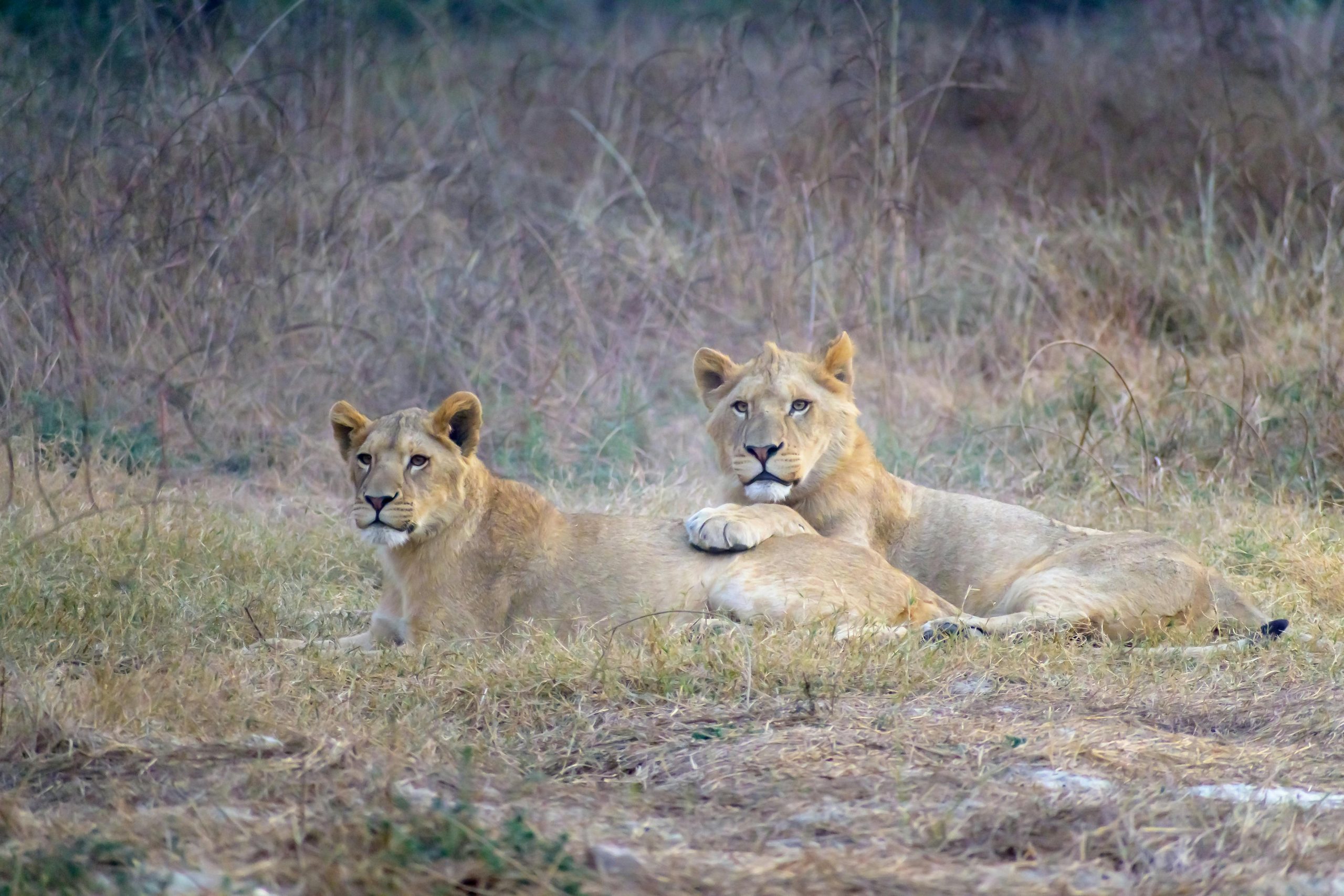
From ancient cave paintings to modern national emblems, the lion has long captivated the human imagination. Revered as the “King of Beasts,” the lion’s symbolism spans continents, religions, and eras. Its image evokes power, courage, nobility, and even divine authority. But the lion is more than just a majestic predator—it is a profound symbol embedded in the collective unconscious of humanity.
In this comprehensive exploration, we’ll delve into the rich tapestry of lion symbolism across various cultures, religions, and artistic expressions. We’ll uncover how this regal creature has shaped myths, inspired leaders, and become a universal emblem of strength and sovereignty.
The Lion in Ancient Civilizations
Mesopotamia and the Cradle of Civilization
In the ancient world, lions were not just feared predators—they were celestial beings. In Mesopotamian mythology, lions were associated with kingship and divine protection. The goddess Ishtar, a powerful deity of war and love, was often depicted standing atop or flanked by lions, symbolizing her dominance over chaos and her fierce protection of the faithful.
- Lions as protectors of temples and palaces
- Symbol of divine retribution and justice
- Representation of cosmic order in Sumerian and Akkadian myths
Egypt: The Solar Lion
The lion held a sacred place in Ancient Egyptian cosmology. The lion-headed goddess Sekhmet embodied the scorching power of the sun and divine vengeance. Her name means “The Powerful One,” and she was believed to breathe fire upon enemies of the pharaoh.
- Sekhmet: goddess of war and healing
- Lions as guardians of the horizon and the afterlife
- Symbol of the sun god Ra’s wrath and power
Greece and Rome: The Heroic Beast
In Greek mythology, the lion was a creature of legend. The Nemean Lion, slain by Heracles in his first labor, was said to have an impenetrable hide. This myth not only symbolizes the triumph of human will over brute force but also portrays the lion as a test of heroism.
- The Nemean Lion: symbol of invincibility and trial
- Lions in Roman mosaics and gladiatorial games
- Emblem of strength and imperial authority
Lion Symbolism in Religion and Spirituality
Christianity: The Lion of Judah
In Christian symbolism, the lion represents both Christ and the devil—depending on the context. The most prominent symbol is the “Lion of Judah,” a title for Jesus that emphasizes his royal lineage and divine authority.
- Lion of Judah: symbol of Jesus’ kingship and resurrection
- Saint Mark the Evangelist often depicted with a winged lion
- Duality: lion as both savior and adversary (1 Peter 5:8)
Hinduism and Buddhism: Divine Guardians
In Hindu mythology, the lion is the vahana (vehicle) of the goddess Durga, who rides it into battle to slay demons. The lion here is a symbol of righteous power and fearlessness.
In Buddhism, the lion is a symbol of the Buddha’s teachings—often referred to as the “Lion’s Roar,” representing the fearless proclamation of truth.
- Durga and her lion: embodiment of Shakti (divine feminine power)
- Lion’s Roar: metaphor for spiritual enlightenment
- Guardian lions (Shishi or Fu Lions) in East Asian temples
The Lion in Heraldry and National Identity
Medieval Europe: The Royal Beast
In heraldry, the lion is perhaps the most iconic symbol. It adorns countless coats of arms, representing courage, nobility, and leadership. The lion passant (walking) and rampant (rearing) are common postures used to convey different aspects of power.
- England’s royal lions: symbol of monarchy and valor
- Scotland’s Lion Rampant: emblem of fierce independence
- Lions in chivalric orders and knightly crests
Africa: Cultural and Tribal Significance
In many African cultures, the lion is a revered animal, often seen as a totem of leadership and wisdom. Among the Maasai of Kenya and Tanzania, killing a lion was once a rite of passage for young warriors.
- Lion as a totem animal and clan symbol
- Representations in oral traditions and folklore
- Connection to ancestral spirits and tribal authority
The Lion in Literature and Popular Culture
Literary Symbolism
From Aesop’s fables to C.S. Lewis’ Aslan in The Chronicles of Narnia, the lion has served as a powerful metaphor in literature. It often represents moral strength, justice, and spiritual guidance.
- Aslan: Christ-like figure and moral compass
- The lion in Shakespeare’s plays: symbol of valor and nobility
- Aesop’s fables: lion as both wise and fearsome
Modern Media and Branding
In contemporary culture, the lion remains a potent symbol. It is used in logos, films, and sports teams to convey strength and excellence.
- MGM’s roaring lion: symbol of cinematic grandeur
- Premier League logo: lion as a symbol of competitive spirit
- Use in luxury brands to denote prestige and power
Psychological and Esoteric Interpretations
Carl Jung and the Archetype of the Lion
In Jungian psychology, the lion is an archetype representing the primal self, the shadow, and the heroic journey. It embodies both the danger and the potential within the human psyche.
- Shadow integration: taming the inner lion
- Lion as a symbol of the Self in individuation
- Dreams involving lions: confrontation with inner strength
Alchemy and Mysticism
In alchemical texts, the lion appears as a symbol of transformation. The “Green Lion” represents the raw, unrefined energy of nature, while the “Red Lion” symbolizes the perfected soul.
- Green Lion: dissolution and purification
- Red Lion: enlightenment and spiritual rebirth
- Lion as guardian of hidden knowledge
Lion Symbolism in Art and Architecture
Sculptures and Monuments
Lions have long adorned the entrances of temples, palaces, and tombs. These statues serve both aesthetic and symbolic purposes—warding off evil and asserting dominance.
- Guardian lions in Chinese and Tibetan architecture
- Lions at the gates of Babylon and Assyrian palaces
- Trafalgar Square’s lions: symbol of British imperial might
Paintings and Emblems
Artists through the ages have used lions to convey themes of power, martyrdom, and divine intervention.
- Renaissance paintings: lion as a symbol of virtue
- Religious iconography: lion with saints and prophets
- Modern art: abstract representations of inner strength
Lion Symbolism in Dreams and Astrology
Dream Interpretation
Dreaming of a lion can have multiple meanings depending on the context. It may signify a confrontation with authority, a call to leadership, or a warning of suppressed anger.
- Friendly lion: inner strength and confidence
- Aggressive lion: unresolved conflict or fear
- Caged lion: restrained potential or repressed emotion
Leo in Astrology
In astrology, Leo is the fifth sign of the zodiac, ruled by the Sun. Leos are known for their charisma, leadership, and boldness.
- Leo traits: loyalty, creativity, pride
- Symbolism of the Sun: vitality and self-expression
- Leo’s ruling element: fire and passion
Lion Symbolism in Global Mythologies
Norse and Celtic Traditions
Though not native to Northern Europe, lions appear in Norse and Celtic symbolism as imported motifs representing valor and kingship.
- Lion shields and banners in Viking sagas
- Celtic lion knots: symbol of eternal strength
Native American and Indigenous Perspectives
While lions are not indigenous to the Americas, similar big cats like the cougar or mountain lion carry comparable symbolism—power, guardianship, and spiritual insight.
- Cougar as protector and guide
- Big cats in shamanic visions and rituals
- Symbol of silent strength and observation
Frequently Asked Questions (FAQ)
1. What does the lion symbolize spiritually?
The lion symbolizes spiritual strength, courage, and divine authority. In various traditions, it represents the balance between power and wisdom, often serving as a guardian of sacred spaces or a metaphor for the soul’s journey.
2. Why is the lion called the “King of Beasts”?
The lion’s majestic appearance, social dominance, and fearsome roar have earned it the title “King of Beasts.” This title reflects its symbolic association with leadership, nobility, and natural authority across cultures.
3. What does the Lion of Judah represent?
The Lion of Judah is a biblical symbol representing Jesus Christ’s royal lineage and divine kingship. It signifies strength, justice, and the fulfillment of prophecy in Christian theology.
4. How is the lion used in heraldry?
In heraldry, the lion is a symbol of courage, nobility, and protection. Different postures—such as rampant, passant, or couchant—convey specific meanings related to valor, vigilance, and sovereignty.
5. What does dreaming of a lion mean?
Dreams featuring lions often relate to personal power, leadership, or confrontation with inner fears. A calm lion may indicate confidence, while an aggressive one could signal unresolved emotional tension or a challenge to authority.
Conclusion
The lion is more than a majestic creature—it is a living symbol that roars across the annals of human history. From the battlefields of ancient empires to the sacred texts of world religions, from the banners of medieval knights to the dreams of modern seekers, the lion continues to embody the eternal dance between power and grace, dominance and protection, ferocity and wisdom.
Its symbolism is as layered as its mane—each strand telling a story of courage, divinity, and the indomitable spirit of life itself.