
Bantu Kingdoms in Uganda
Bantu Kingdoms in Uganda
The Bantu Kingdoms in Uganda: A Historical Odyssey
Introduction to the Bantu Kingdoms
The Bantu Kingdoms of Uganda are a fascinating tapestry of history, culture, and influence. These kingdoms have played a pivotal role in shaping the socio-political landscape of Uganda, and their legacy continues to resonate in modern times. This article delves into the rich history of the Bantu Kingdoms, exploring their origins, cultural significance, and lasting impact on Uganda.
Origins of the Bantu Kingdoms
The Bantu Migration
The story of the Bantu Kingdoms begins with the Bantu migration, a significant movement of people across Africa. The Bantu-speaking peoples originated from the region around present-day Cameroon and Nigeria, gradually spreading across sub-Saharan Africa. This migration, which began around 2000 BCE, brought with it new agricultural techniques, ironworking skills, and a rich cultural heritage.
Establishment of Kingdoms
As the Bantu peoples settled in various regions, they established powerful kingdoms that thrived on agriculture, trade, and centralized governance. In Uganda, the most prominent Bantu Kingdoms included Buganda, Bunyoro, Toro, and Ankole. Each kingdom developed its unique identity, yet they shared common linguistic and cultural traits.
The Kingdom of Buganda
Rise to Prominence
The Kingdom of Buganda emerged as one of the most influential Bantu Kingdoms in Uganda. Located in the central region, Buganda’s strategic position along the shores of Lake Victoria facilitated trade and interaction with other regions. The kingdom’s centralized administration and strong leadership under the Kabaka (king) contributed to its rise to prominence.
Cultural Significance
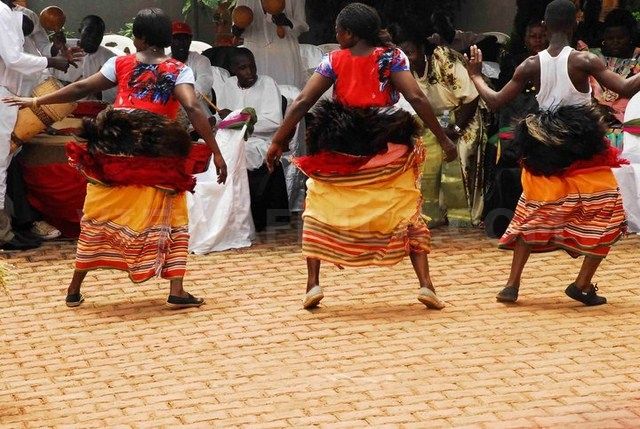
Buganda’s culture is rich and diverse, with a strong emphasis on music, dance, and oral traditions. The Baganda people, who inhabit the kingdom, have a vibrant cultural heritage that includes the famous Baganda drumming and the Kiganda dance. The kingdom’s traditional practices and customs continue to be celebrated and preserved.
The Kingdom of Bunyoro
Historical Background
The Kingdom of Bunyoro is one of the oldest Bantu Kingdoms in Uganda, with a history dating back to the 13th century. Bunyoro was known for its military prowess and strategic alliances, which allowed it to expand its territory and influence.
Economic and Cultural Contributions
Bunyoro was a hub of trade and commerce, with its economy largely based on agriculture and ironworking. The kingdom’s artisans were renowned for their craftsmanship, producing intricate iron tools and weapons. Culturally, Bunyoro is known for its rich oral traditions, including the epic tales of the Batembuzi and Bachwezi dynasties.
The Kingdom of Toro
Formation and Development
The Kingdom of Toro was established in the 19th century as a breakaway from Bunyoro. Located in the western region of Uganda, Toro developed its distinct identity while maintaining ties with its Bantu heritage.
Cultural Heritage
Toro is celebrated for its vibrant cultural festivals, such as the Empango, which marks the coronation anniversary of the Omukama (king). The kingdom’s cultural practices, including traditional music and dance, are integral to its identity and continue to be cherished by the Batooro people.
The Kingdom of Ankole
Historical Context
The Kingdom of Ankole is located in southwestern Uganda and has a history that dates back several centuries. Ankole was known for its cattle-rearing culture, with the Ankole longhorn cattle being a symbol of wealth and status.
Cultural Practices
Ankole’s culture is deeply rooted in pastoralism, with cattle playing a central role in social and economic life. The Banyankole people have a rich tradition of oral literature, including proverbs, folktales, and songs that reflect their pastoral heritage.
The Legacy of the Bantu Kingdoms
Influence on Modern Uganda
The Bantu Kingdoms have left an indelible mark on Uganda’s cultural and political landscape. Their systems of governance, cultural practices, and social structures have influenced modern Ugandan society. The kingdoms continue to play a role in contemporary politics, with traditional leaders participating in national affairs.
Preservation of Cultural Heritage
Efforts to preserve the cultural heritage of the Bantu Kingdoms are ongoing. Cultural institutions and organizations work to document and promote traditional practices, ensuring that the rich history of these kingdoms is passed down to future generations.
Conclusion
The Bantu Kingdoms of Uganda are a testament to the resilience and adaptability of the Bantu-speaking peoples. Their rich history, cultural contributions, and enduring legacy continue to shape the identity of Uganda. As we explore the past, we gain a deeper understanding of the present and a greater appreciation for the diverse cultural tapestry that defines this East African nation.
FAQ
What are the main Bantu Kingdoms in Uganda?
The main Bantu Kingdoms in Uganda are Buganda, Bunyoro, Toro, and Ankole. Each kingdom has its unique history, culture, and contributions to Uganda’s development.
How did the Bantu Kingdoms influence modern Uganda?
The Bantu Kingdoms influenced modern Uganda through their systems of governance, cultural practices, and social structures. Their legacy continues to be felt in contemporary politics and cultural preservation efforts.
What is the significance of the Bantu migration?
The Bantu migration was a significant movement of people across Africa, bringing new agricultural techniques, ironworking skills, and cultural heritage. It laid the foundation for the establishment of powerful kingdoms, including those in Uganda.
How are the cultural practices of the Bantu Kingdoms preserved today?
Cultural practices of the Bantu Kingdoms are preserved through cultural institutions, organizations, and festivals. Efforts are made to document and promote traditional practices, ensuring their continuity for future generations.
What role do traditional leaders play in modern Uganda?
Traditional leaders from the Bantu Kingdoms participate in national affairs and contribute to the cultural and political landscape of modern Uganda. They play a role in preserving cultural heritage and promoting unity among their people.