
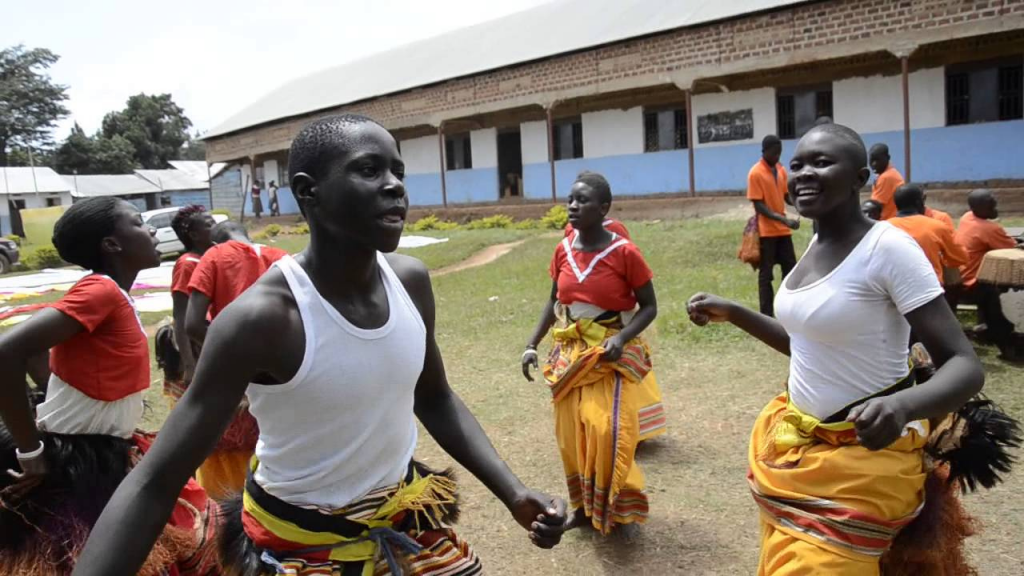
Bantu Tribes in Uganda
Exploring the Rich Heritage of Bantu Tribes in Uganda
Introduction
Uganda, often referred to as the “Pearl of Africa,” is a nation rich in cultural diversity and history. Among its many ethnic groups, the Bantu tribes stand out for their significant contributions to the country’s cultural tapestry. This article delves into the fascinating world of the Bantu tribes in Uganda, exploring their history, culture, and influence on the nation’s identity.
The Origins of Bantu Tribes in Uganda
Historical Background
The Bantu tribes are part of a larger group of people who speak Bantu languages, which are widely distributed across sub-Saharan Africa. The migration of Bantu-speaking people into Uganda is believed to have occurred around 1000 AD. This migration brought with it a rich cultural heritage that has shaped the social and cultural landscape of Uganda.
Key Bantu Tribes in Uganda
- Baganda: The largest ethnic group in Uganda, the Baganda people have played a central role in the country’s history. Their kingdom, Buganda, is one of the most influential traditional kingdoms in Uganda.
- Banyankole: Known for their cattle-keeping traditions, the Banyankole people are primarily found in the southwestern part of Uganda.
- Basoga: Residing in the eastern region, the Basoga people are known for their vibrant cultural practices and traditional dances.
- Bakiga: Inhabiting the highlands of southwestern Uganda, the Bakiga are known for their agricultural prowess and unique cultural customs.
Cultural Practices and Traditions
Language and Communication
The Bantu tribes in Uganda speak a variety of Bantu languages, each with its unique dialects and linguistic nuances. These languages are not only a means of communication but also a repository of cultural knowledge and traditions.
Traditional Beliefs and Practices
- Religion: Many Bantu tribes have traditional belief systems that include the worship of ancestral spirits and deities. These beliefs are often intertwined with Christianity and Islam, which are prevalent in Uganda.
- Rituals and Ceremonies: Ceremonies such as weddings, funerals, and initiation rites are integral to Bantu culture. These events are marked by elaborate rituals, music, and dance.
Art and Craftsmanship
Bantu tribes are renowned for their artistic expressions, which include:
- Weaving and Basketry: The creation of intricate baskets and mats is a common craft among Bantu communities.
- Pottery: Pottery is not only a functional craft but also an art form that reflects the creativity and skill of Bantu artisans.
The Influence of Bantu Tribes on Ugandan Society
Political and Social Structures
The Bantu tribes have historically played a significant role in shaping the political landscape of Uganda. Traditional kingdoms, such as Buganda, have been instrumental in the country’s governance and social organization.
Economic Contributions
- Agriculture: Bantu tribes are primarily agrarian, with farming being the mainstay of their economy. They cultivate a variety of crops, including bananas, millet, and maize.
- Cattle Rearing: In regions like Ankole, cattle rearing is a vital economic activity, providing milk, meat, and hides.
Challenges Facing Bantu Tribes in Uganda
Modernization and Cultural Erosion
As Uganda continues to modernize, traditional Bantu cultures face the risk of erosion. The younger generation is increasingly adopting Western lifestyles, leading to a decline in traditional practices and languages.
Land and Resource Conflicts
Land is a critical resource for Bantu communities, and disputes over land ownership and usage have been a source of tension. These conflicts often arise due to population pressure and competing interests.
Preserving Bantu Heritage
Cultural Revitalization Efforts
Efforts are being made to preserve and promote Bantu culture in Uganda. Cultural festivals, language preservation programs, and traditional leadership structures play a crucial role in these efforts.
Government and NGO Initiatives
The Ugandan government, along with non-governmental organizations, is working to support Bantu communities through initiatives aimed at improving education, healthcare, and economic opportunities.
Conclusion
The Bantu tribes of Uganda are a testament to the country’s rich cultural diversity and history. Their traditions, languages, and social structures continue to influence Ugandan society in profound ways. As Uganda navigates the challenges of modernization, preserving the heritage of Bantu tribes is essential for maintaining the nation’s cultural identity.
FAQ
1. What are the main Bantu tribes in Uganda?
The main Bantu tribes in Uganda include the Baganda, Banyankole, Basoga, and Bakiga, among others.
2. How did the Bantu tribes come to Uganda?
The Bantu tribes migrated to Uganda around 1000 AD, bringing with them a rich cultural heritage and diverse linguistic traditions.
3. What are some traditional practices of Bantu tribes in Uganda?
Traditional practices of Bantu tribes in Uganda include rituals and ceremonies, such as weddings and funerals, as well as artistic expressions like weaving and pottery.
4. What challenges do Bantu tribes face in Uganda today?
Bantu tribes in Uganda face challenges such as cultural erosion due to modernization and land conflicts arising from population pressure and competing interests.
5. How is Bantu heritage being preserved in Uganda?
Bantu heritage is being preserved through cultural revitalization efforts, government and NGO initiatives, and the promotion of traditional practices and languages.