
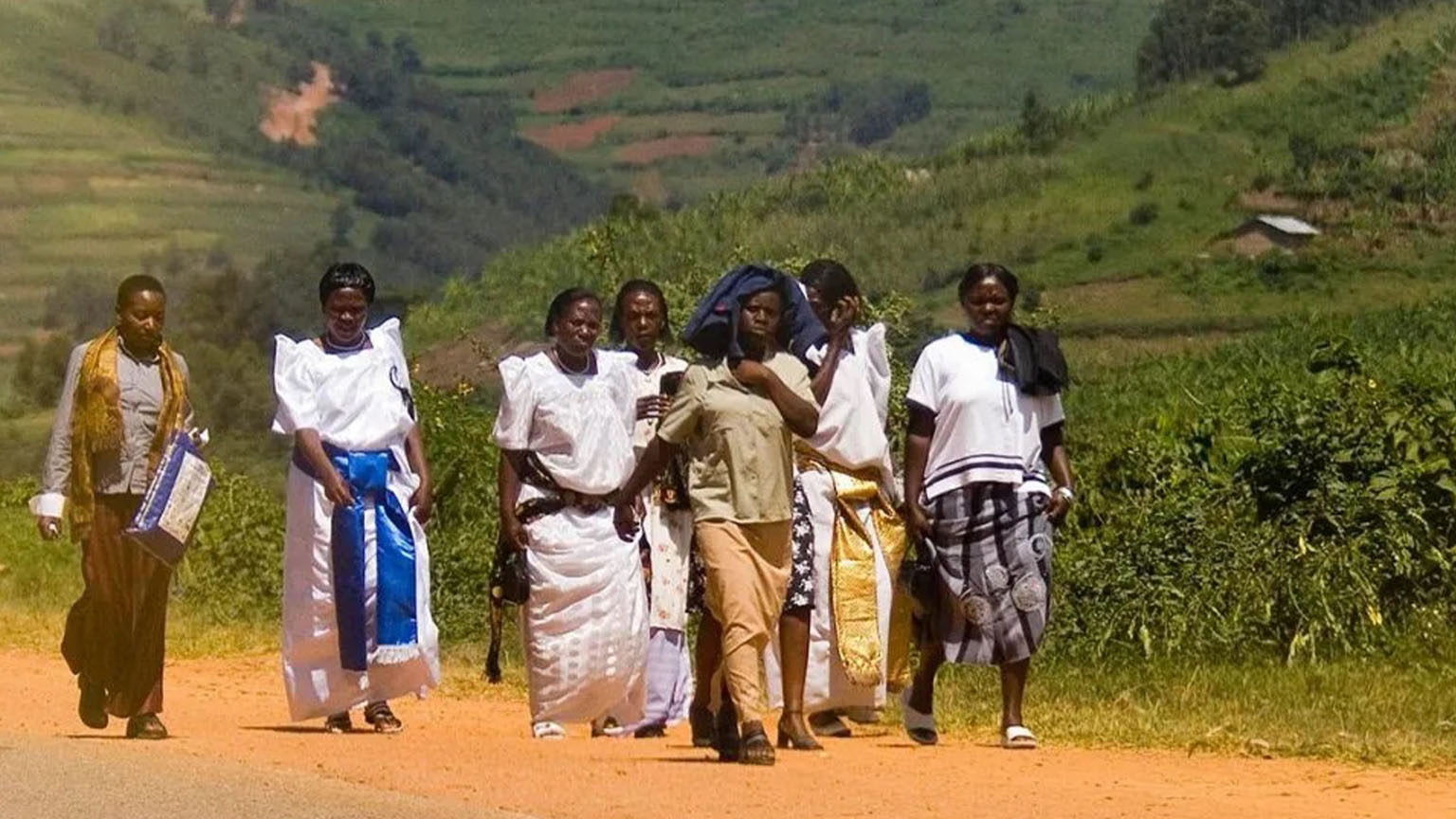
Ugandan ethnic groups
Ugandan ethnic groups
Exploring the Rich Diversity of Ugandan Ethnic Groups
Introduction
Uganda, often referred to as the “Pearl of Africa,” is a country renowned for its breathtaking landscapes, abundant wildlife, and vibrant culture. However, one of its most remarkable features is its rich tapestry of ethnic diversity. With over 56 distinct ethnic groups, Uganda is a melting pot of cultures, languages, and traditions. This article delves into the fascinating world of Ugandan ethnic groups, exploring their unique characteristics, histories, and contributions to the nation’s identity.
The Historical Context of Ugandan Ethnic Groups
Ancient Origins and Migration Patterns
Uganda’s ethnic diversity is deeply rooted in its history, with various groups tracing their origins to ancient migrations. The Bantu-speaking peoples, who form the majority of Uganda’s population, migrated from Central and West Africa over a thousand years ago. They brought with them agricultural practices, ironworking skills, and a rich cultural heritage that continues to shape the nation today.
The Influence of Nilotic and Cushitic Peoples
Alongside the Bantu, Nilotic and Cushitic groups have also played a significant role in Uganda’s history. The Nilotic peoples, including the Acholi, Langi, and Alur, migrated from the Nile Valley region, bringing with them distinct languages and cultural practices. The Cushitic groups, such as the Karamojong and the Ik, have their roots in the Horn of Africa and have contributed to the diverse cultural landscape of Uganda.
Major Ethnic Groups in Uganda
The Baganda
Cultural Significance and Traditions
The Baganda, the largest ethnic group in Uganda, are primarily located in the central region, including the capital city, Kampala. Known for their rich cultural heritage, the Baganda have a strong sense of identity and pride in their traditions. The Buganda Kingdom, one of the most influential traditional kingdoms in Uganda, plays a central role in their cultural and political life.
Language and Communication
The Baganda speak Luganda, a Bantu language widely spoken in Uganda. Luganda serves as a lingua franca in many parts of the country, facilitating communication and trade among different ethnic groups.
The Basoga
Historical Background and Location
The Basoga people reside in the eastern part of Uganda, primarily in the Busoga region. Historically, they have been known for their agricultural prowess, cultivating crops such as bananas, coffee, and sugarcane.
Cultural Practices and Festivals
The Basoga are known for their vibrant cultural festivals, such as the “Ekigwo Gumbya,” which celebrates their rich heritage through music, dance, and traditional rituals.
The Banyankole
Social Structure and Traditions
The Banyankole, located in southwestern Uganda, are known for their distinct social structure, which includes the Bahima (pastoralists) and the Bairu (agriculturalists). This division has historically influenced their way of life, with cattle rearing playing a central role in their culture.
Language and Communication
The Banyankole speak Runyankole, a Bantu language that is part of the larger Runyakitara dialect cluster. This language is an essential aspect of their cultural identity and is used in various social and religious contexts.
The Acholi
Historical Context and Resilience
The Acholi people, residing in northern Uganda, have a history marked by resilience and strength. Despite facing challenges such as conflict and displacement, the Acholi have maintained their cultural practices and traditions.
Traditional Music and Dance
Music and dance are integral to Acholi culture, with traditional performances often featuring the “Bwola” dance and the rhythmic beats of the “Adungu” (a traditional stringed instrument).
The Karamojong
Nomadic Lifestyle and Challenges
The Karamojong, predominantly found in northeastern Uganda, are known for their nomadic pastoralist lifestyle. Their way of life revolves around cattle herding, and they have adapted to the arid conditions of the Karamoja region.
Cultural Practices and Beliefs
The Karamojong have a rich oral tradition, with storytelling and proverbs playing a significant role in passing down cultural knowledge and values.
The Role of Ethnic Groups in Uganda’s National Identity
Cultural Contributions and Unity
Uganda’s ethnic diversity is a source of strength and unity, with each group contributing to the nation’s cultural mosaic. Traditional music, dance, and art from various ethnic groups are celebrated and showcased in national events, fostering a sense of pride and belonging among Ugandans.
Political Representation and Challenges
While Uganda’s ethnic diversity is a source of pride, it also presents challenges in terms of political representation and resource allocation. Efforts to promote inclusivity and equitable development are ongoing, with the government working to address disparities and ensure that all ethnic groups have a voice in the nation’s affairs.
Conclusion
Uganda’s ethnic groups are a testament to the country’s rich cultural heritage and diversity. Each group brings its unique traditions, languages, and histories, contributing to the vibrant tapestry that defines Uganda. As the nation continues to evolve, embracing and celebrating this diversity will be crucial in building a harmonious and prosperous future for all Ugandans.
FAQ
1. How many ethnic groups are there in Uganda?
Uganda is home to over 56 distinct ethnic groups, each with its unique cultural practices and languages.
2. What is the largest ethnic group in Uganda?
The Baganda are the largest ethnic group in Uganda, primarily residing in the central region, including the capital city, Kampala.
3. What languages are spoken by Ugandan ethnic groups?
Ugandan ethnic groups speak a variety of languages, with Luganda, Runyankole, and Acholi being some of the most widely spoken.
4. How do Ugandan ethnic groups contribute to the nation’s culture?
Ugandan ethnic groups contribute to the nation’s culture through traditional music, dance, art, and festivals, showcasing the country’s rich cultural diversity.
5. What challenges do Ugandan ethnic groups face?
Ugandan ethnic groups face challenges related to political representation, resource allocation, and preserving cultural heritage in the face of modernization and globalization.