
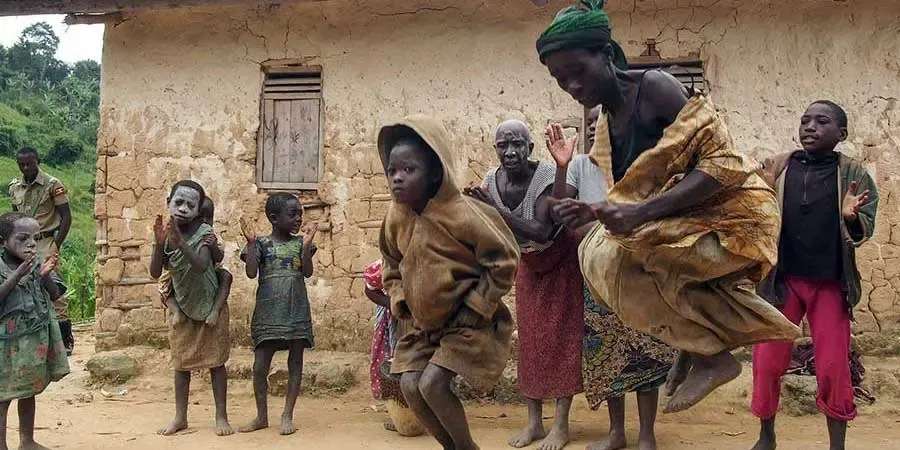
Batwa Dance
The Enchanting Rhythm of the Batwa Dance: A Cultural Legacy in Motion
Introduction
Among the rich tapestry of African cultural expressions, the Batwa dance stands as a powerful symbol of identity, resilience, and ancestral pride. This traditional dance, performed by the Batwa people—also known as the Twa—is more than a rhythmic movement; it is a living narrative of a community that has preserved its heritage through centuries of marginalization and displacement.
The Batwa, indigenous to the Great Lakes region of Central Africa—particularly in countries like Uganda, Rwanda, Burundi, and the Democratic Republic of Congo—are one of the oldest surviving forest-dwelling communities. Their dances are not only celebrations but also sacred rituals, storytelling mediums, and expressions of social cohesion.
In this comprehensive guide, we delve deep into the Batwa dance, exploring its origins, cultural significance, musical elements, costumes, and its evolving role in contemporary society. We will also examine how this ancient art form is being preserved and promoted in modern times.
The Origins of Batwa Dance
The Batwa people have lived for millennia in the dense forests of Central Africa, particularly around the Bwindi Impenetrable Forest in Uganda and the Virunga Mountains. Traditionally hunter-gatherers, their lifestyle was deeply intertwined with the forest, which provided food, shelter, and spiritual sustenance.
Dance as a Spiritual and Communal Practice
For the Batwa, dance was never merely entertainment. It was—and remains—a sacred act. Dances were performed:
- During initiation ceremonies
- To celebrate harvests and hunts
- At weddings and funerals
- As part of healing rituals
- To honor ancestral spirits
These dances often involved drumming, singing, and call-and-response chants, creating a communal rhythm that connected every participant to the spiritual and natural world.
Cultural Significance of Batwa Dance
A Living Archive of Oral History
The Batwa dance serves as a dynamic form of oral history. Each movement, rhythm, and chant encodes stories of migration, survival, and cultural values. In the absence of written records, dance is a way to pass down:
- Myths and legends
- Historical events
- Moral teachings
- Clan lineages
Resistance and Identity
Following their displacement from ancestral forests—especially after the creation of national parks like Bwindi and Mgahinga—the Batwa have used dance as a form of cultural resistance. It affirms their identity in the face of marginalization and provides a platform to educate others about their heritage.
Elements of Batwa Dance
1. Music and Instruments
The heartbeat of Batwa dance is its music. Traditional instruments include:
- Drums (Ingoma): Made from hollowed-out tree trunks and animal skins
- Flutes (Umwironge): Carved from bamboo or reeds
- Rattles (Amashaka): Worn on the ankles or wrists
- String instruments like the Inanga, a traditional zither
These instruments create a polyrhythmic soundscape that guides the dancers’ movements and energizes the audience.
2. Choreography and Movement
Batwa dances are characterized by:
- High-energy footwork
- Graceful arm movements
- Synchronized group formations
- Expressive facial gestures
Each dance has a unique structure and purpose. For example:
- Ekizino: A celebratory dance performed in a circle
- Omuhora: A warrior dance symbolizing strength and protection
- Ekitaguriro: A courtship dance involving flirtatious gestures and playful footwork
3. Costumes and Body Art
Traditional attire enhances the visual impact of the dance. Dancers often wear:
- Bark cloth garments
- Beaded necklaces and bracelets
- Animal skins and feathers
- Body paint using natural dyes
These costumes are not merely decorative—they carry symbolic meanings tied to the dancer’s role, age, and status within the community.
The Role of Batwa Dance in Modern Society
Cultural Preservation and Tourism
In recent years, Batwa cultural tours have become popular in Uganda and Rwanda. These experiences often include dance performances, storytelling, and demonstrations of traditional crafts.
Organizations like the Batwa Development Program and United Organisation for Batwa Development in Uganda (UOBDU) are working to:
- Promote cultural tourism as a source of income
- Preserve intangible heritage
- Empower Batwa youth through cultural education
You can also explore Batwa culture through curated experiences offered by Turkana Wildlife Safaris, which include immersive Uganda cultural safaris that highlight indigenous traditions, including Batwa dance performances.
Dance as Advocacy
Batwa dance has also become a tool for social advocacy. Through performances, the Batwa raise awareness about:
- Land rights and displacement
- Environmental conservation
- Health and education challenges
These performances are often held at international conferences, festivals, and community events, giving the Batwa a global voice.
Challenges Facing Batwa Dance Today
Despite its cultural richness, Batwa dance faces several threats:
- Loss of traditional knowledge as elders pass away
- Commercialization that dilutes authenticity
- Limited access to performance spaces
- Discrimination and poverty that hinder cultural expression
Efforts to document and digitize Batwa dances are underway, but more support is needed to ensure their survival.
How to Support Batwa Cultural Heritage
If you’re passionate about indigenous cultures and want to support the Batwa people, consider:
- Visiting Batwa cultural centers and participating in ethical tourism
- Booking a Batwa cultural experience with trusted operators like Turkana Wildlife Safaris
- Donating to organizations like Survival International
- Supporting Batwa artisans and performers
- Sharing their stories through blogs, social media, and educational platforms
Frequently Asked Questions (FAQ)
1. Who are the Batwa people?
The Batwa are an indigenous group native to the Great Lakes region of Central Africa. Traditionally forest dwellers, they are known for their rich cultural traditions, including music, dance, and oral storytelling.
2. What is the significance of Batwa dance?
Batwa dance is a vital expression of identity, spirituality, and history. It serves as a medium for storytelling, ritual, and community bonding, and is often performed during important life events and ceremonies.
3. Where can I watch a Batwa dance performance?
You can experience authentic Batwa dance performances in regions like Bwindi and Mgahinga National Park, or through cultural tours offered by Turkana Wildlife Safaris.
4. How is Batwa dance being preserved?
Organizations like UOBDU, Batwa Experience, and cultural tour providers such as Turkana Wildlife Safaris are working to preserve Batwa dance through education, documentation, and tourism.
5. Can Batwa dance be taught to outsiders?
While some elements of Batwa dance can be shared for educational purposes, many dances are sacred and reserved for community members. It’s important to approach with respect and seek permission from cultural custodians.
Key Takeaways
- The Batwa dance is a powerful cultural expression rooted in spirituality, history, and community.
- It plays a vital role in preserving the identity of the Batwa people amid modern challenges.
- Through music, movement, and ritual, Batwa dance tells stories that written words cannot capture.
- Supporting Batwa cultural initiatives helps sustain this invaluable heritage for future generations.
Final Thoughts
The Batwa dance is not just a performance—it’s a heartbeat of a people, echoing through time with every drumbeat and footstep. As we move further into a globalized world, it becomes ever more crucial to honor and protect such cultural treasures. Let us celebrate the Batwa not as relics of the past, but as vibrant custodians of a living legacy.