
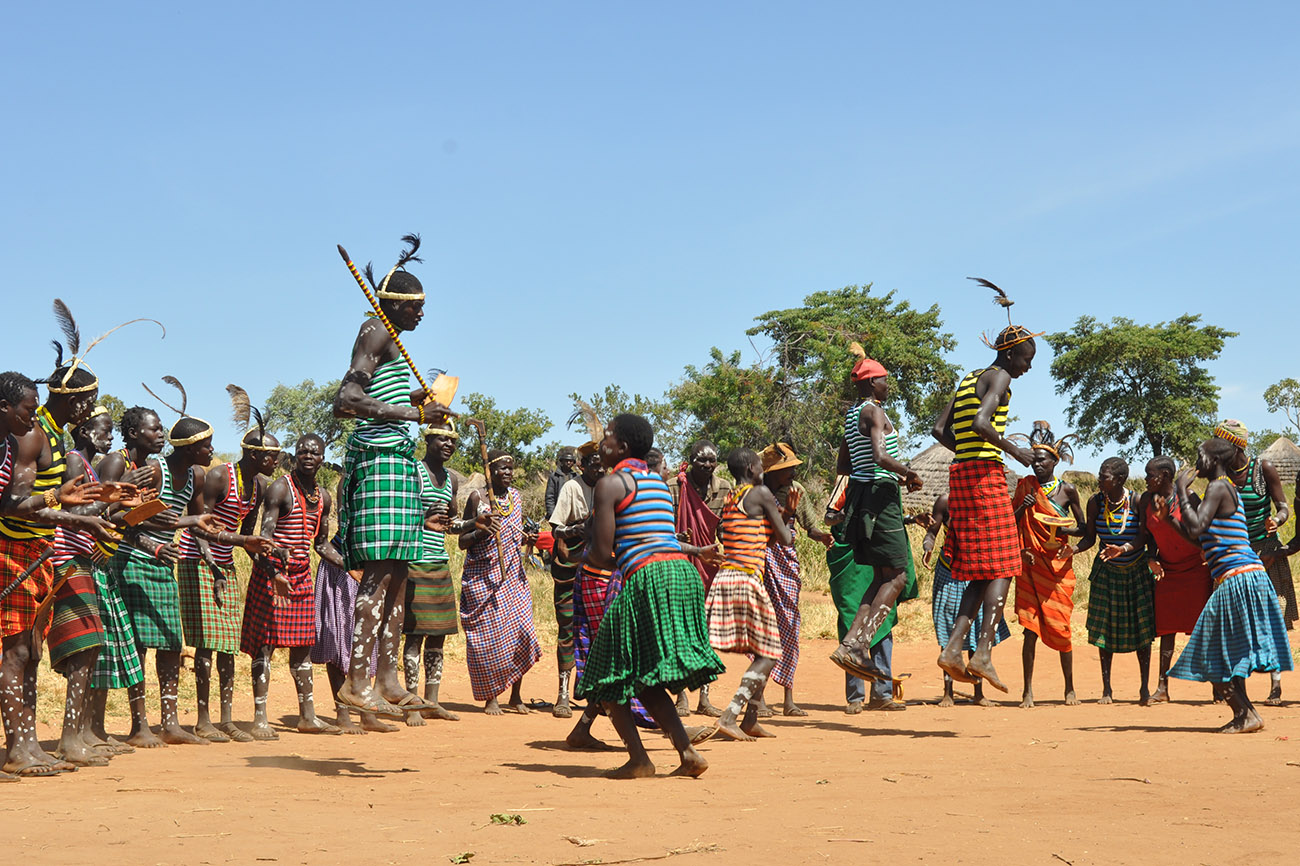
Uganda Cultural Safaris
Uganda Cultural Safaris
Discover the Soul of Africa: A Complete Guide to Uganda Cultural Safaris
Uganda, often dubbed the “Pearl of Africa,” is not only famed for its breathtaking landscapes and rare wildlife but also for its rich and diverse cultural heritage. A Uganda cultural safari offers more than just a journey through nature—it’s an immersive experience into the heart of African traditions, tribal customs, and ancestral stories that have been passed down through generations.
In this comprehensive guide, we delve deep into the cultural tapestry of Uganda, exploring its vibrant ethnic groups, traditional practices, historical landmarks, and how you can experience them firsthand on a cultural safari.
Introduction to Uganda’s Cultural Diversity
Uganda is home to over 56 ethnic groups, each with its own language, customs, and social norms. This diversity makes the country a cultural mosaic that is as fascinating as it is educational. From the Baganda in the central region to the Karamojong in the northeast, every community offers a unique perspective on life, spirituality, and the environment.
Why Choose a Cultural Safari in Uganda?
- Explore authentic tribal villages
- Participate in traditional ceremonies
- Learn indigenous crafts and dances
- Visit heritage sites and royal palaces
- Engage with local communities through storytelling and folklore
Major Ethnic Groups and Their Traditions
1. The Baganda
The largest ethnic group in Uganda, the Baganda, are primarily found in the central region around Kampala and the Buganda Kingdom. Their culture is deeply rooted in monarchy, with the Kabaka (king) playing a central role in governance and tradition.
Cultural Highlights:
- Royal tombs at Kasubi
- Traditional bark cloth making
- Kiganda dance and drumming
2. The Banyankole
Located in southwestern Uganda, the Banyankole are known for their long-horned Ankole cattle and pastoral lifestyle. Their social structure is built around clans and family honor.
Cultural Highlights:
- Cattle herding and milking rituals
- Traditional Ankole marriage ceremonies
- Local dishes like “Eshabwe” (ghee sauce)
3. The Karamojong
One of the most culturally preserved groups, the Karamojong live in the semi-arid northeastern region. They are nomadic pastoralists with a rich oral history and warrior culture.
Cultural Highlights:
- Visit to manyattas (traditional homesteads)
- Spear-making and beadwork
- Traditional wrestling and dances
4. The Batwa Pygmies
The Batwa are indigenous forest dwellers who once lived in the Bwindi Impenetrable Forest. Though displaced, they continue to preserve their hunter-gatherer traditions.
Cultural Highlights:
- Forest walks with Batwa guides
- Demonstrations of herbal medicine
- Storytelling and fire-making skills
Top Cultural Safari Destinations in Uganda
1. Kampala City
As the capital, Kampala is a melting pot of cultures. Visit the Uganda Museum, craft markets, and historical sites like the Kabaka’s Palace.
2. Fort Portal
Nestled near the Rwenzori Mountains, Fort Portal is home to the Batooro people. Explore the Tooro Kingdom Palace and Amabere Ga Nyina Mwiru caves.
3. Karamoja Region
For a raw and authentic cultural experience, few places compare to Karamoja. Community-based tourism offers immersive stays with the Karamojong.
4. Lake Bunyonyi
Surrounded by terraced hills, Lake Bunyonyi is not just scenic but also culturally rich, with local folklore and traditional canoe-making.
Cultural Experiences to Include in Your Safari
- 🪘 Traditional Dance Performances: Participate in or watch dances like the Kiganda, Runyege, and Ekizino.
- 🧵 Craft Workshops: Learn basket weaving, pottery, and bark cloth making.
- 🏛️ Royal Palace Tours: Discover the political and spiritual significance of Uganda’s monarchies.
- 📖 Storytelling Sessions: Hear ancient legends from village elders.
- 🥁 Drumming Lessons: Try your hand at traditional African drums.
Traditional Music, Dance, and Art
Ugandan music and dance are integral to every celebration, rite of passage, and community gathering.
Instruments Commonly Used:
- Engalabi – Long drum used in Kiganda music
- Adungu – Bow harp from the Alur people
- Amadinda – Xylophone used in central Uganda
Popular Dance Forms:
- Kiganda Dance – Involves intricate footwork and waist movements
- Larakaraka – Courtship dance of the Acholi
- Ekizino – Energetic dance of the Bakiga
Visual Arts:
- Tribal masks and sculptures
- Beadwork and jewelry
- Rock paintings in Nyero and Dolwe Islands
Uganda’s Historic Sites and Monuments
Kasubi Royal Tombs
A UNESCO World Heritage Site, the Kasubi Tombs are the burial grounds for Buganda kings and a spiritual center for the Baganda people.
Nyero Rock Paintings
Located in Kumi District, these ancient rock art sites date back to the Iron Age and are believed to have spiritual significance.
Fort Patiko
Built by Arab slave traders and later used by British colonialists, this fort in Gulu is a haunting reminder of Uganda’s colonial past.
Culinary Adventures: Taste of Uganda
Ugandan cuisine is a reflection of its cultural diversity. Each region offers unique dishes based on locally available ingredients.
Must-Try Dishes:
- Luwombo – Stew steamed in banana leaves
- Posho – Maize meal porridge
- Matoke – Steamed green bananas
- Rolex – Chapati rolled with eggs and vegetables
Local Beverages:
- Malwa – Traditional millet beer
- Obushera – Fermented sorghum drink
- Waragi – Ugandan gin
Responsible Cultural Tourism
When engaging with local communities, it’s important to practice ethical tourism.
Tips for Responsible Travelers:
- Ask for permission before taking photos
- Support local artisans by buying handmade crafts
- Respect local customs and dress codes
- Use certified cultural tour operators
- Avoid exploitative or staged experiences
Planning Your Uganda Cultural Safari
Best Time to Visit
- Dry Seasons: June–August and December–February
- Festivals: Include your trip around events like the Bayimba International Festival or Nyege Nyege Festival
What to Pack
- Modest clothing for village visits
- Gifts for host families (optional)
- Notebook for journaling your experiences
- Camera with extra batteries
- Reusable water bottle
Frequently Asked Questions (FAQ)
1. What is a cultural safari in Uganda?
A cultural safari focuses on exploring the traditions, customs, and lifestyles of Uganda’s diverse ethnic groups. It includes village visits, traditional performances, and interactions with local communities.
2. Is it safe to visit rural areas in Uganda?
Yes, most rural areas are safe for tourists. It is advisable to travel with a reputable tour operator and follow local guidelines.
3. Can I combine a cultural safari with wildlife viewing?
Absolutely. Uganda offers excellent opportunities to combine gorilla trekking in Bwindi with cultural experiences in nearby Batwa communities.
4. How long should a cultural safari last?
A typical cultural safari lasts between 7 to 14 days, depending on the number of regions and experiences you want to include.
5. Do I need special permissions to visit tribal communities?
Some communities require prior arrangements, especially for overnight stays. Your tour operator can handle these logistics.
Final Thoughts
A Uganda cultural safari is more than a vacation—it’s a transformative journey into the soul of a nation. Whether you’re dancing with the Karamojong under the stars, learning the secrets of herbal medicine from a Batwa elder, or tasting the rich flavors of Luwombo, every moment is a story waiting to be told.
By choosing to explore Uganda’s cultural heritage, you not only enrich your own life but also support the preservation of traditions that have endured for centuries.