
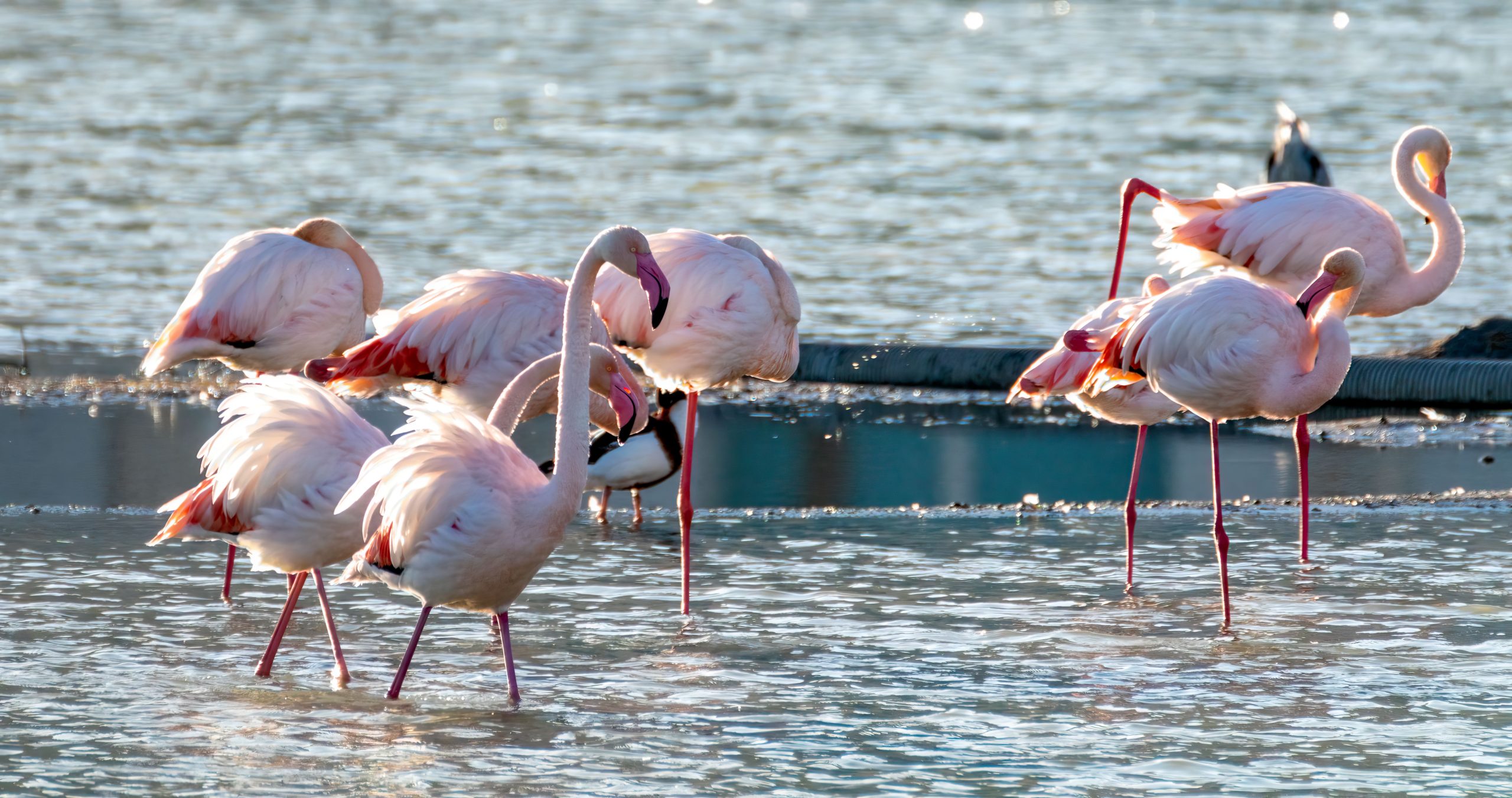
Best Time to See Flamingos
Best Time to See Flamingos
Best Time to See Flamingos in Uganda: A Complete Safari Guide
Flamingos are among Africa’s most spectacular birds, famous for their beautiful pink plumage, graceful movements, and enormous gatherings around lakes and wetlands. For bird lovers, photographers, and wildlife enthusiasts, watching thousands of flamingos feeding and moving across a lake can be an unforgettable safari experience.
Uganda is well known for its exceptional biodiversity, and although it is not traditionally considered Africa’s primary flamingo destination, several of its lakes and wetlands can offer opportunities to encounter these striking birds. Understanding the best time to visit, where to look, and what conditions attract flamingos can make your birdwatching safari much more rewarding.
With Turkana Wildlife Safaris Uganda, travelers can combine flamingo viewing with Uganda’s other outstanding wildlife and birdwatching experiences, creating a safari that goes beyond the traditional Big Five.
When Is the Best Time to See Flamingos in Uganda?
The best time to see flamingos and other waterbirds in Uganda generally depends on the location, water conditions, food availability, and seasonal movements of birds.
For travelers planning a birdwatching safari, the dry seasons from June to September and December to February are often among the most convenient periods for exploring Uganda’s wildlife areas. During these months, roads are generally easier to navigate and wildlife and birdwatching activities can be more comfortable.
However, Uganda is a year-round birdwatching destination. The wetter months can also be excellent for bird lovers because vegetation and wetlands are productive, while migratory birds may be present.
The most important point is that flamingo sightings can be less predictable than sightings of resident wildlife. A good safari operator can therefore help plan your route according to the habitats and bird species you want to see.
Why Are Flamingos Pink?
One of the first things travelers notice about flamingos is their distinctive pink color.
Flamingos get their coloration primarily from their diet. They feed on organisms such as algae and small aquatic creatures that contain natural pigments called carotenoids. These pigments contribute to the pink, reddish, or orange coloration of their feathers.
Young flamingos are generally much paler and develop stronger coloration as they mature and continue consuming carotenoid-rich foods.
This makes flamingos particularly fascinating subjects for wildlife photographers, especially when large groups are gathered together in shallow water.
Where Can You Look for Flamingos in Uganda?
Uganda has an extraordinary variety of lakes, wetlands, rivers, and other aquatic habitats that support numerous bird species.
Some of the country’s important birdwatching destinations include:
Lake Mburo Area
The Lake Mburo region is one of Uganda’s popular wildlife and birdwatching destinations. Its lakes, wetlands, grasslands, and savannah habitats support a wide range of bird species.
While flamingo sightings are not guaranteed, the area is valuable for travelers interested in combining birdwatching with wildlife viewing.
A safari here can also provide opportunities to see zebras, impalas, buffaloes, hippos, and numerous waterbirds.
Queen Elizabeth National Park
Queen Elizabeth National Park is another excellent destination for birdwatchers. The park contains lakes, wetlands, forests, savannah, and the famous Kazinga Channel.
The variety of habitats means that visitors can look for numerous water-associated and terrestrial bird species during game drives and boat trips.
A boat safari along the Kazinga Channel is particularly rewarding for bird lovers because it provides close views of birds along the shoreline.
Murchison Falls National Park
Murchison Falls National Park is Uganda’s largest national park and offers an impressive combination of wildlife and birdwatching.
The Victoria Nile and surrounding wetlands attract many waterbirds, while the savannah supports species such as elephants, giraffes, buffaloes, lions, and numerous antelope species.
A Nile boat cruise is an excellent addition to a birdwatching itinerary.
Lake Victoria and Wetland Areas
Lake Victoria and its surrounding wetlands provide important habitats for many bird species.
Birdwatchers exploring wetland areas can encounter different waterbirds depending on the season, habitat conditions, and water levels.
These areas can be incorporated into customized birdwatching itineraries for travelers who want to explore Uganda’s aquatic ecosystems.
Flamingos and Uganda’s Birdwatching Experience
One of Uganda’s greatest attractions for bird lovers is the sheer diversity of habitats.
A single safari can combine:
- Lakes and wetlands
- Tropical forests
- Savannah plains
- Rivers and waterways
- Mountain habitats
- Papyrus swamps
- Agricultural landscapes
This habitat diversity means Uganda offers much more than one target species.
Travelers interested in flamingos can also look for other beautiful birds, including kingfishers, herons, egrets, bee-eaters, hornbills, storks, African fish eagles, turacos, and many other species.
For serious birdwatchers, Uganda is particularly attractive because birding can be combined with gorilla trekking, chimpanzee tracking, wildlife safaris, and cultural experiences.
The Best Months for a Flamingo and Birdwatching Safari
June to September
These months are part of Uganda’s main dry season.
The relatively drier conditions can make traveling between destinations easier, and wildlife viewing is generally popular during this period.
For travelers combining birdwatching with traditional wildlife safaris, June to September can be a very convenient time.
December to February
December through February is another generally favorable period for safari travel.
The weather is often relatively dry, making it easier to combine several destinations in one itinerary.
This period can work particularly well for travelers who want to combine birdwatching with gorilla trekking or savannah wildlife viewing.
March to May
The months of March to May are among Uganda’s wetter periods.
Rain can make some roads challenging, but the countryside becomes lush and many birding locations are highly productive.
Birdwatchers who don’t mind occasional rain can find this period rewarding.
October to November
October and November can also bring rainfall, but they remain good months for birdwatching and nature experiences.
These months can be attractive to travelers looking for greener landscapes and potentially fewer tourists.
Why Choose Turkana Wildlife Safaris Uganda?
Planning a successful Uganda birdwatching safari requires more than simply choosing a destination. Timing, accommodation, transportation, local knowledge, and understanding bird habitats can all make a significant difference.
Turkana Wildlife Safaris Uganda can help travelers design customized Uganda safari experiences based on their interests.
Whether your priority is flamingos, general birdwatching, primates, big game, or a combination of experiences, a customized itinerary can allow you to explore Uganda at a comfortable pace.
A safari can be designed around destinations such as:
- Queen Elizabeth National Park
- Murchison Falls National Park
- Lake Mburo National Park
- Bwindi Impenetrable National Park
- Kibale Forest National Park
- Lake Victoria
- Uganda’s wetlands and birding sites
The company can also combine birdwatching with other popular Ugandan experiences, including gorilla trekking, chimpanzee tracking, game drives, boat cruises, and cultural encounters.
Photography Tips for Flamingo Safaris
Flamingos are excellent wildlife photography subjects because their bright colors contrast beautifully with water and surrounding landscapes.
Here are some useful tips:
Photograph During Early Morning
Early morning light can create soft, attractive photographs while birds are often active.
Use a Telephoto Lens
A telephoto lens allows you to photograph birds without getting too close or disturbing them.
Capture Groups
Don’t photograph only individual birds. Large groups can create spectacular patterns across the water.
Photograph Reflections
When the water is calm, flamingos and their reflections can create beautiful compositions.
Be Patient
Wildlife photography requires patience. Instead of constantly changing locations, spend time observing the birds and anticipating their movements.
What Should You Pack for a Flamingo Safari?
A few practical items can make your birdwatching experience more comfortable.
Consider packing:
- Binoculars
- Camera with a telephoto lens
- Extra batteries
- Extra memory cards
- Lightweight clothing
- Comfortable walking shoes
- Sun protection
- Insect repellent
- Reusable water bottle
- Rain jacket
- Field guide or bird identification app
If you are planning a longer birdwatching safari, a good pair of binoculars is especially valuable.
Combining Flamingo Watching With a Uganda Wildlife Safari
One of the advantages of choosing Uganda is that you don’t have to limit your trip to birdwatching.
A well-planned itinerary can combine birdwatching with some of Africa’s most memorable wildlife experiences.
For example, travelers can combine:
Birdwatching + Gorilla Trekking
Explore Uganda’s forests and wetlands before heading into Bwindi to encounter mountain gorillas.
Birdwatching + Chimpanzee Tracking
Combine birding with a visit to Kibale Forest, one of Uganda’s best destinations for chimpanzee tracking.
Birdwatching + Big Five Safari
Explore Uganda’s savannah parks for elephants, lions, buffaloes, leopards, and other wildlife while also searching for Uganda’s diverse birdlife.
Birdwatching + Boat Safari
Add a boat cruise to your itinerary for an excellent opportunity to observe waterbirds from the water.
Frequently Asked Questions About Seeing Flamingos in Uganda
1. What is the best time to see flamingos in Uganda?
The best time depends on the specific location and current water and food conditions. The dry seasons, particularly June to September and December to February, are convenient periods for safari travel, but birdwatching can be rewarding throughout the year.
2. Are flamingos common in Uganda?
Flamingos are not as widespread or predictable in Uganda as they are in some famous East African flamingo destinations. Sightings can depend heavily on habitat and seasonal conditions.
3. Can I combine flamingo watching with a wildlife safari?
Yes. Uganda is ideal for combining birdwatching with game drives, boat cruises, gorilla trekking, chimpanzee tracking, and cultural experiences.
4. What other birds can I see in Uganda?
Uganda has an impressive variety of bird species. Depending on the destination, you may see kingfishers, herons, egrets, storks, hornbills, bee-eaters, turacos, fish eagles, and many other species.
5. Is Uganda good for birdwatching?
Yes. Uganda’s combination of forests, wetlands, lakes, rivers, mountains, and savannah makes it an excellent birdwatching destination.
6. Do I need binoculars for a flamingo safari?
Binoculars are strongly recommended. They allow you to observe birds from a respectful distance and make it easier to identify species.
7. Can photographers enjoy a flamingo safari?
Absolutely. Flamingos provide excellent photography opportunities, particularly when they are gathered in large groups or standing in shallow water.
8. Can Turkana Wildlife Safaris Uganda organize a birdwatching safari?
Yes. Turkana Wildlife Safaris Uganda can help travelers plan customized Uganda safari experiences that combine birdwatching with wildlife and other attractions.
9. How long should a Uganda birdwatching safari be?
The ideal duration depends on the number of locations and species you want to target. A short safari can focus on one region, while a longer itinerary allows you to explore several habitats and increase your birdwatching opportunities.
10. Is Uganda a year-round safari destination?
Yes. Uganda can be visited throughout the year. Different seasons offer different advantages, and birdwatchers may find both dry and wet periods rewarding.
Conclusion: Plan Your Flamingo and Birdwatching Safari With Turkana Wildlife Safaris Uganda
Seeing flamingos in their natural environment can be a beautiful and memorable wildlife experience. Although flamingo sightings in Uganda can be seasonal and less predictable than in some specialized flamingo destinations, the country’s enormous variety of wetlands, lakes, forests, and savannah habitats makes it an exceptional destination for bird lovers.
The biggest advantage of choosing Uganda is the opportunity to combine birdwatching with other unforgettable experiences. You can search for colorful waterbirds in the morning, enjoy a wildlife game drive later in the day, take a boat cruise along a river, and spend another day exploring Uganda’s tropical forests.
For travelers looking for a customized Uganda birdwatching or wildlife safari, Turkana Wildlife Safaris Uganda can help create an itinerary based on your interests, travel dates, and preferred destinations.
Your Uganda birding adventure starts with the right itinerary. Discover Uganda’s lakes, wetlands, forests, and savannahs with Turkana Wildlife Safaris Uganda and experience the country’s remarkable birdlife for yourself.