
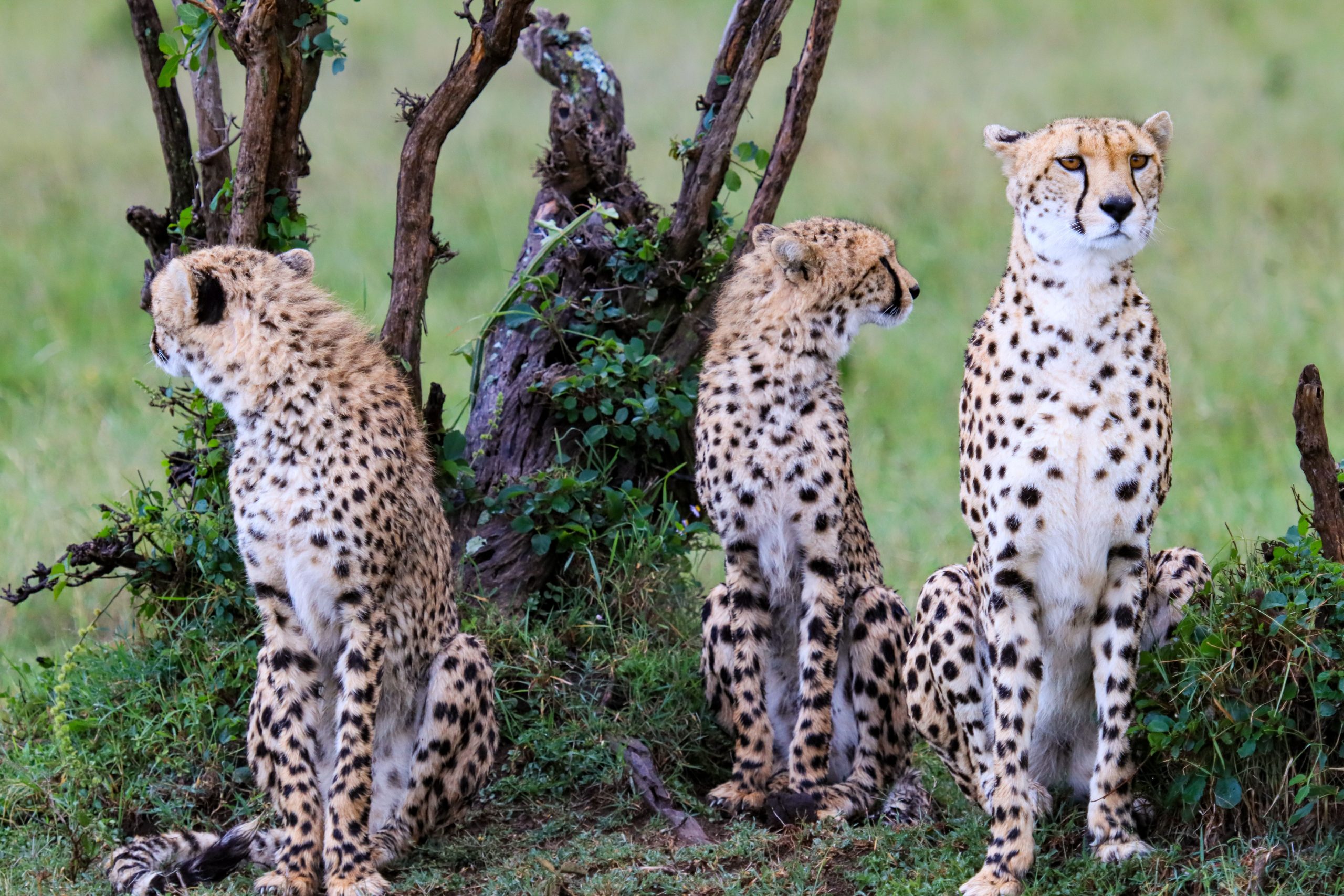
Uganda Cheetah Safari in Karamoja
Uganda Cheetah Safari in Karamoja
Uganda Cheetah Safari in Karamoja: Discover the Fastest Land Animal in the Wild
Uganda is one of East Africa’s most fascinating safari destinations, offering travelers the opportunity to experience diverse landscapes, cultures, and wildlife away from the crowded tourist routes. Among the country’s most extraordinary safari experiences is a Uganda Cheetah Safari in Karamoja, taking you deep into the remote wilderness of northeastern Uganda and the spectacular Kidepo Valley National Park.
For travelers searching for a unique African safari, Karamoja offers something genuinely different. The region is characterized by vast savannah plains, rugged mountains, seasonal rivers, traditional communities, and remarkable wildlife. Kidepo Valley National Park is particularly famous for its exceptional diversity and for hosting wildlife species that are uncommon or absent from many other Ugandan parks, including the cheetah.
With Turkana Wildlife Safaris Uganda, visitors can explore this spectacular wilderness on carefully organized wildlife safaris designed to combine game viewing, photography, scenery, and cultural experiences.
Why Choose a Cheetah Safari in Karamoja?
A cheetah safari in Karamoja is more than simply searching for one animal. It is an opportunity to explore one of Uganda’s wildest and most remote regions.
Kidepo Valley National Park supports a remarkable variety of wildlife, including lions, leopards, cheetahs, spotted hyenas, elephants, giraffes, zebras, buffaloes, antelopes, and numerous bird species. Several species found in the Kidepo and Karamoja region are particularly distinctive within Uganda, making the area attractive to experienced safari travelers and wildlife photographers.
The wide-open savannah is especially suited to spotting fast-moving predators such as cheetahs. However, cheetahs are wild animals and sightings cannot be guaranteed. Your safari guide will use knowledge of the terrain, recent wildlife activity, tracks, prey movements, and suitable habitats to maximize the chances of finding them.
About the Cheetahs of Kidepo Valley
The cheetah is one of Africa’s most remarkable predators. Built for speed, it has a slender body, long legs, a flexible spine, and specialized adaptations that allow it to accelerate rapidly when pursuing prey.
Kidepo Valley National Park is one of the places in Uganda where cheetahs can be encountered. Wildlife sources identify the cheetah among the distinctive carnivores of the park, alongside species such as caracals, aardwolves, bat-eared foxes, lions, leopards, and hyenas.
Seeing a cheetah in its natural environment can be one of the highlights of a Uganda safari. You may find one resting beneath vegetation, scanning the plains for prey, moving across the grasslands, or, with exceptional luck, witnessing a hunting attempt.
Because cheetahs can blend into the savannah and move over large territories, patience is an important part of the experience.
Exploring Kidepo Valley National Park
Kidepo Valley National Park is located in northeastern Uganda in the Karamoja region, close to Uganda’s borders with South Sudan and Kenya. Its remote setting contributes greatly to its appeal.
The park is known for spectacular landscapes consisting of expansive grasslands, valleys, rocky mountains, and seasonal watercourses. It has also been recorded as having a particularly high diversity of mammals and birds, with numerous species not found in Uganda’s other national parks.
For a traveler interested in predators, Kidepo is especially rewarding. In addition to cheetahs, the park supports lions, leopards, spotted hyenas, black-backed jackals, and other carnivores.
What to Expect on a Uganda Cheetah Safari
A typical cheetah safari begins with an early morning game drive. Early hours are often excellent for wildlife viewing because temperatures are cooler and many animals are active.
Your safari guide will carefully explore areas where wildlife is likely to occur. Depending on conditions, the search may take you through open grasslands, the Narus Valley, woodland, or other suitable habitats.
During the drive, you may encounter much more than cheetahs. The wildlife experience can include:
- Cheetahs
- Lions
- Leopards
- Spotted hyenas
- Elephants
- Giraffes
- Zebras
- Buffaloes
- Jackson’s hartebeest
- Elands
- Oribis
- Klipspringers
- Antelopes
- Ostriches
- Numerous savannah bird species
Kidepo is also notable for wildlife that is particularly associated with the region, including greater and lesser kudu, aardwolves, caracals, bat-eared foxes, and Guenther’s dik-dik.
The Best Time for a Cheetah Safari in Karamoja
Uganda can be visited throughout the year, but wildlife viewing conditions vary with rainfall and vegetation.
For travelers primarily interested in wildlife and photography, the drier periods are generally attractive because animals may congregate around remaining water sources and vegetation can be less dense.
However, the green season can also provide spectacular scenery, dramatic skies, fresh vegetation, and excellent opportunities for photography.
Rather than focusing only on a particular month, Turkana Wildlife Safaris Uganda can help travelers choose a travel period according to their interests, whether those interests are wildlife photography, predator viewing, bird watching, cultural experiences, or a combination of activities.
Cheetah Photography in Karamoja
Karamoja provides an extraordinary setting for wildlife photography.
The open landscapes can create beautiful backgrounds for photographs of cheetahs and other wildlife. The early morning and late afternoon light can also transform the savannah into a spectacular photographic environment.
Photographers should bring:
- A camera with a telephoto lens
- Spare batteries
- Extra memory cards
- Binoculars
- Lens-cleaning equipment
- A beanbag or suitable vehicle support
- Neutral-colored clothing
- Sun protection
A long telephoto lens is particularly useful because wildlife should always be photographed from a safe and respectful distance.
The goal is not simply to take a photograph of a cheetah but to capture its behavior and relationship with the surrounding landscape.
Experience the Culture of Karamoja
A Uganda Cheetah Safari can also be combined with cultural experiences in the Karamoja region.
The Karamojong communities have a distinctive cultural heritage, traditional lifestyle, clothing, dances, cattle-keeping practices, and strong connection to the land.
Combining wildlife viewing with a cultural visit can make your safari much more meaningful because you experience both the natural and human heritage of northeastern Uganda.
With responsible planning, cultural experiences can provide opportunities to interact respectfully with local communities while contributing to tourism and local livelihoods.
Why Travel with Turkana Wildlife Safaris Uganda?
Choosing the right safari operator can make a major difference, especially when traveling to a remote destination such as Karamoja.
Turkana Wildlife Safaris Uganda can organize customized Uganda safari experiences focused on wildlife, photography, culture, and adventure.
A well-planned cheetah safari can include:
- Experienced safari guides
- Private or shared safari vehicles
- Game drives in Kidepo Valley National Park
- Accommodation arrangements
- Park entry arrangements
- Cultural experiences
- Airport or hotel transfers
- Customized safari itineraries
- Photography-focused safari planning
The safari can also be combined with other Ugandan destinations depending on the length of your trip.
Suggested Uganda Cheetah Safari Itinerary
Day 1: Arrival in Uganda
Arrive in Uganda and transfer to your accommodation in Kampala or Entebbe.
Depending on your arrival time, you can relax and prepare for the journey to northeastern Uganda.
Day 2: Travel to Karamoja
Begin your journey toward the Karamoja region.
The road trip offers an opportunity to observe Uganda’s changing landscapes as you travel from central Uganda toward the remote northeastern savannah.
Day 3: Enter Kidepo Valley National Park
Arrive in the Kidepo area and settle into your lodge or safari camp.
Depending on your arrival time, enjoy an introductory game drive.
Day 4: Full-Day Cheetah Search
Set out early for a full-day wildlife adventure.
Your guide will search suitable areas for cheetahs while also looking for lions, leopards, hyenas, elephants, giraffes, zebras, buffaloes, and antelopes.
This is your main predator-viewing day.
Day 5: Wildlife and Photography
Enjoy another game drive with a focus on wildlife photography.
The vast landscapes of Kidepo provide opportunities to photograph both animals and scenery.
Day 6: Karamoja Cultural Experience
Take time to experience the culture of the Karamojong people.
Learn about traditional lifestyles, cattle keeping, local customs, and the history of the region.
Day 7: Final Game Drive and Departure
Enjoy a final game drive before beginning your journey out of the Karamoja region.
The itinerary can be shortened or extended depending on your travel schedule.
Conservation and Responsible Tourism
Wildlife tourism plays an important role in supporting conservation.
Visiting protected areas such as Kidepo Valley National Park creates economic incentives for wildlife protection and tourism-related employment. Responsible travelers can contribute by following park regulations, respecting wildlife, avoiding littering, and supporting legitimate local tourism businesses.
In 2026, Kidepo also reached an important conservation milestone with the reintroduction of southern white rhinos after more than four decades of absence from the park. The Uganda Wildlife Authority and conservation partners are working to restore the species to the protected area.
This highlights the broader conservation story of Kidepo: the park is not only a destination for wildlife viewing but also part of Uganda’s continuing efforts to protect and restore its natural heritage.
Why Karamoja Should Be on Your Uganda Safari List
Many international visitors know Uganda for mountain gorillas, chimpanzees, and traditional savannah safaris. However, Karamoja offers an entirely different side of the country.
It is remote, dramatic, culturally rich, and exceptionally rewarding for travelers who want to experience a less conventional African safari.
A cheetah encounter in the vast plains of Kidepo can become one of the defining moments of your Uganda adventure.
Whether you are a first-time safari traveler, wildlife enthusiast, photographer, bird watcher, or experienced African traveler, a Uganda Cheetah Safari in Karamoja offers an opportunity to discover a remarkable wilderness far from the usual tourist routes.
Frequently Asked Questions About Uganda Cheetah Safaris
1. Where can I see cheetahs in Uganda?
Kidepo Valley National Park in northeastern Uganda is one of the country’s destinations where cheetahs can be encountered. The species is among the distinctive wildlife associated with Kidepo and the wider Karamoja region.
2. Are cheetah sightings guaranteed?
No. Cheetahs are wild animals that move freely through large areas, so sightings cannot be guaranteed. Experienced guides can, however, use wildlife knowledge and recent sightings to improve the chances of finding them.
3. What other animals can I see in Kidepo?
Kidepo supports lions, leopards, spotted hyenas, elephants, giraffes, zebras, buffaloes, several antelope species, ostriches, and many other animals and birds.
4. How long should I spend on a cheetah safari?
We recommend at least 4–7 days for travelers who want a meaningful Kidepo and Karamoja experience. Longer trips provide more opportunities for wildlife viewing, photography, and cultural activities.
5. Can I combine a cheetah safari with other Uganda destinations?
Yes. Your Kidepo safari can be combined with destinations such as Murchison Falls National Park, Ziwa Rhino Sanctuary, Queen Elizabeth National Park, Kibale Forest, Bwindi Impenetrable National Park, or other attractions depending on your interests and available time.
6. Is Karamoja good for wildlife photography?
Yes. The open savannah, dramatic mountains, wildlife diversity, and relatively remote setting make Karamoja an excellent destination for wildlife and landscape photography.
7. What should I pack for a cheetah safari?
Pack lightweight clothing, comfortable shoes, a hat, sunglasses, sunscreen, insect repellent, binoculars, a camera, spare batteries, memory cards, and a telephoto lens if you are interested in wildlife photography.
8. Can I visit a Karamojong community during my safari?
Yes. Cultural experiences can be incorporated into a safari itinerary, allowing visitors to learn about the traditions and way of life of communities in the Karamoja region.
9. Why book a cheetah safari with Turkana Wildlife Safaris Uganda?
Turkana Wildlife Safaris Uganda can help organize customized safari experiences combining Kidepo wildlife viewing, cheetah searches, photography, cultural experiences, accommodation, transportation, and professional safari guiding.
10. What makes Kidepo different from other Ugandan national parks?
Kidepo is distinguished by its remote location, dramatic landscapes, extensive savannah, and unusual concentration of wildlife species that are rare or absent elsewhere in Uganda.
Conclusion: Experience the Wild Heart of Karamoja
A Uganda Cheetah Safari in Karamoja is an adventure into one of East Africa’s most fascinating wilderness areas. From searching for elusive cheetahs across the open plains of Kidepo Valley to encountering lions, elephants, giraffes, zebras, and other wildlife, every game drive offers the possibility of a memorable discovery.
Beyond wildlife, Karamoja introduces travelers to spectacular landscapes and a distinctive cultural heritage that make northeastern Uganda truly special.
If you are looking for an authentic, remote, and unforgettable Uganda safari experience, Turkana Wildlife Safaris Uganda can help you plan a personalized journey into Karamoja and Kidepo Valley National Park.
Book your Uganda Cheetah Safari with Turkana Wildlife Safaris Uganda and discover the wild beauty of Karamoja.