
Best Time to See the Wildebeest Migration
Best Time to See the Wildebeest Migration
The Great Wildebeest Migration is one of the most spectacular natural events on Earth. Every year, millions of wildebeests, zebras, and other herbivores journey across the Serengeti and Masai Mara ecosystems in search of fresh grazing grounds. This epic migration is a continuous cycle, but there are key moments throughout the year that offer the best opportunities to witness this awe-inspiring phenomenon.
Understanding the Wildebeest Migration
The wildebeest migration is a year-round event, driven by the need for food and water. The animals move in a circular pattern between Tanzania’s Serengeti National Park and Kenya’s Masai Mara National Reserve. The migration is influenced by rainfall patterns, which determine the availability of fresh grass for grazing.
Why is the Wildebeest Migration So Special?
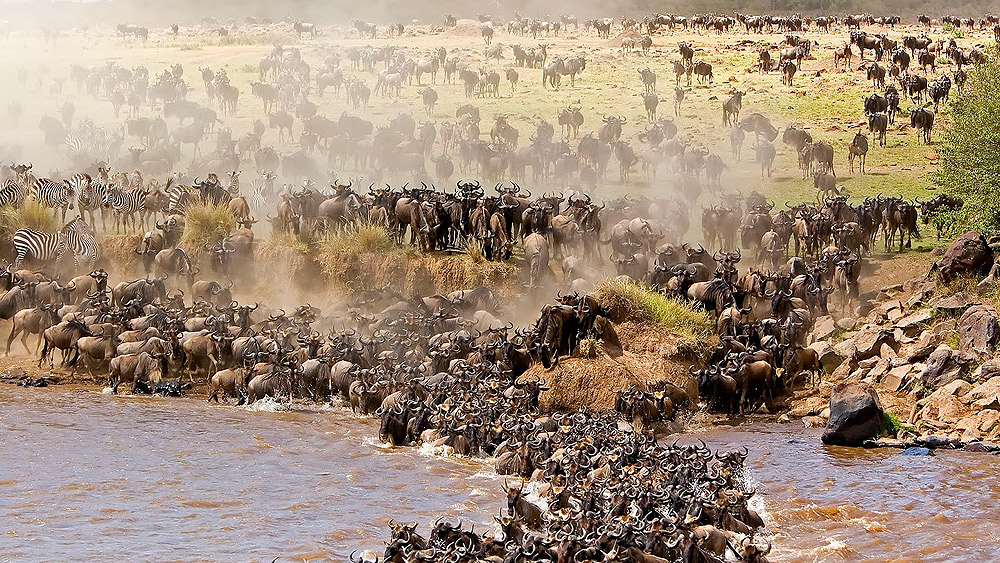
The migration is not just about the movement of animals; it’s a dramatic spectacle of life and death. Predators such as lions, cheetahs, and crocodiles follow the herds, making for thrilling wildlife encounters. The river crossings, particularly at the Mara River, are some of the most dramatic moments, as thousands of wildebeests plunge into the water, often facing the jaws of waiting crocodiles.
Best Time to See the Wildebeest Migration
While the migration is a year-round event, certain periods offer better viewing opportunities depending on what you want to witness. Below is a breakdown of the best times to see the migration based on the different stages of the journey.
January to March: Calving Season
- Location: Southern Serengeti, Tanzania
- What to Expect: This is the calving season, where over 500,000 wildebeest calves are born. The lush plains of the southern Serengeti provide ample food for the herds, and the abundance of young animals attracts predators.
- Why Visit: If you’re interested in seeing newborn wildebeests and predator-prey interactions, this is the best time to visit. The landscape is also incredibly scenic, with green grasslands stretching as far as the eye can see.
April to June: The Long Trek North
- Location: Central Serengeti, Tanzania
- What to Expect: As the rains begin to taper off, the herds start moving northward. This is a time of long, arduous treks for the wildebeests as they head toward the Grumeti River.
- Why Visit: This period offers excellent opportunities to see large herds on the move. The central Serengeti is less crowded with tourists compared to other times of the year, making it a great option for those seeking a more tranquil experience.
July to September: River Crossings at the Mara River
- Location: Northern Serengeti, Tanzania & Masai Mara, Kenya
- What to Expect: This is the most famous and dramatic part of the migration. The herds must cross the Mara River, where crocodiles lie in wait. The crossings are unpredictable, but when they happen, they are a sight to behold.
- Why Visit: If you want to witness the iconic river crossings, this is the time to visit. The Mara River crossings are considered the pinnacle of the migration experience, and the sheer number of animals involved is staggering.
October to December: Return to the Serengeti
- Location: Masai Mara, Kenya & Northern Serengeti, Tanzania
- What to Expect: After spending a few months in the Masai Mara, the herds begin their journey back to the Serengeti. The landscape is drier, and the animals move quickly in search of fresh grazing grounds.
- Why Visit: This is a great time to visit if you want to avoid the crowds. The herds are still large, and the landscape offers excellent opportunities for photography.
Factors to Consider When Planning Your Trip
Weather Conditions
The migration is heavily influenced by rainfall, so it’s important to keep an eye on weather patterns. The dry season (June to October) is generally the best time to visit as the animals are more concentrated around water sources, making them easier to spot.
Accommodation Availability
The migration attracts thousands of tourists, especially during peak periods like the Mara River crossings. It’s essential to book your accommodation well in advance if you plan to visit during these times.
Guided Tours
Many safari operators offer guided tours that follow the migration. These tours can range from budget-friendly options to luxury experiences. A knowledgeable guide can greatly enhance your experience by taking you to the best spots for wildlife viewing.
Top Destinations to Witness the Migration
Serengeti National Park, Tanzania
The Serengeti is the heart of the migration. It’s a vast, open plain that offers some of the best wildlife viewing in the world. The park is divided into several regions, each offering unique experiences depending on the time of year.
- Southern Serengeti: Best for calving season (January to March)
- Central Serengeti: Best for seeing large herds on the move (April to June)
- Northern Serengeti: Best for river crossings (July to September)
Masai Mara National Reserve, Kenya
The Masai Mara is where the migration reaches its northernmost point. The reserve is famous for its rich wildlife and dramatic river crossings at the Mara River.
- Best Time to Visit: July to October for the river crossings
Frequently Asked Questions (FAQ)
1. What is the best time to see the wildebeest migration?
The best time to see the migration depends on what you want to witness. For river crossings, visit between July and September. For the calving season, January to March is ideal.
2. Where is the best place to see the wildebeest migration?
The Serengeti National Park in Tanzania and the Masai Mara National Reserve in Kenya are the best places to witness the migration.
3. How long does the wildebeest migration last?
The migration is a year-round event, but the most dramatic moments, such as the river crossings, occur between July and September.
4. Do I need to book my safari in advance?
Yes, it’s highly recommended to book your safari in advance, especially if you plan to visit during peak migration periods like the Mara River crossings.
5. Can I see other animals during the migration?
Yes, the migration attracts a variety of predators such as lions, cheetahs, and crocodiles. You’ll also see zebras, gazelles, and other herbivores traveling with the wildebeests.
Conclusion
The Great Wildebeest Migration is a once-in-a-lifetime experience that should be on every wildlife enthusiast’s bucket list. Whether you’re interested in witnessing the dramatic river crossings or the birth of thousands of wildebeest calves, there’s a perfect time for everyone to see this incredible natural event. By planning your trip carefully and choosing the right time to visit, you’ll be able to witness one of the most extraordinary spectacles on Earth.