
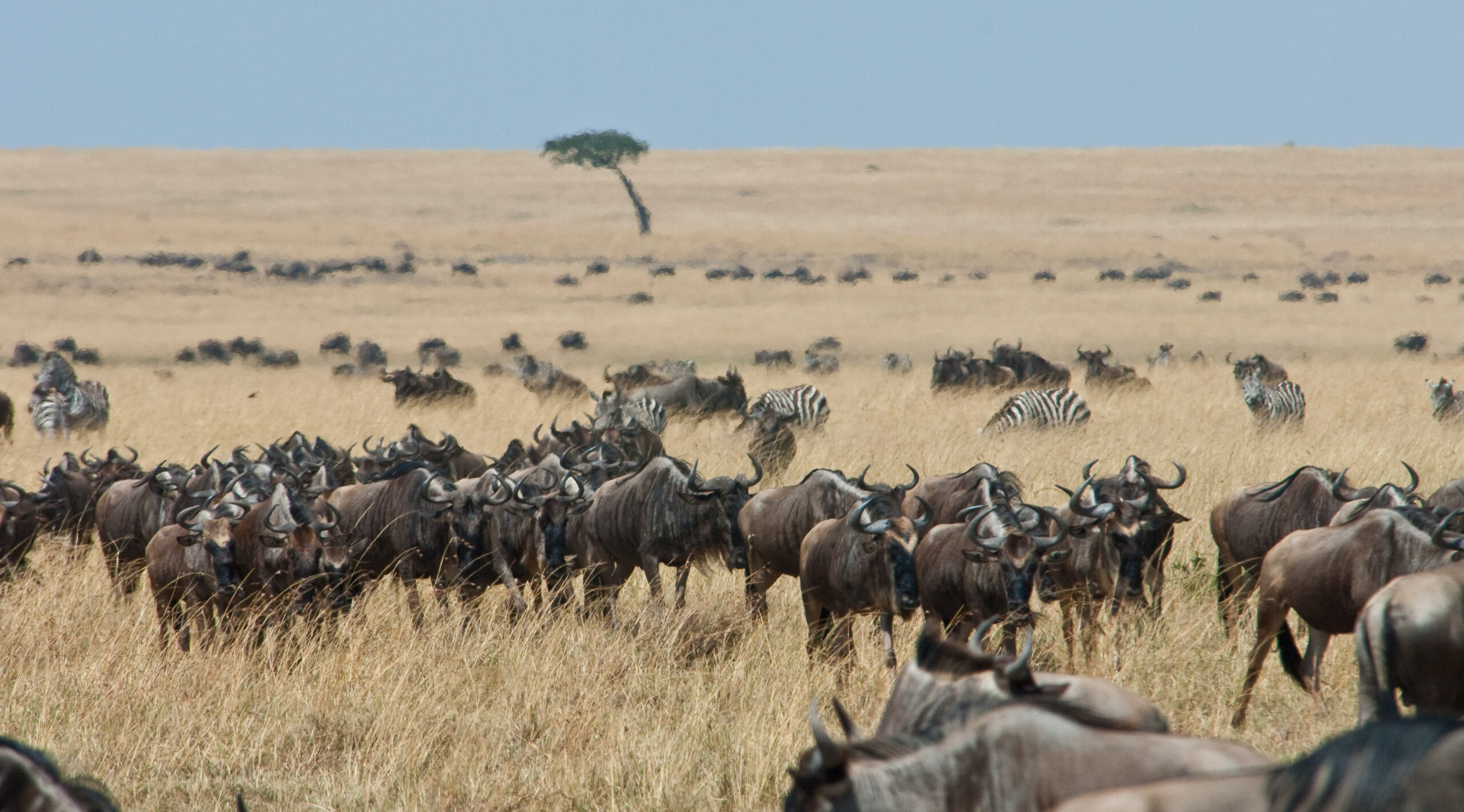
Annual Wildebeest Migration
Annual Wildebeest Migration
The Annual Wildebeest Migration: Nature’s Greatest Spectacle
Introduction to the Annual Wildebeest Migration
The annual wildebeest migration is one of the most awe-inspiring natural events on the planet. Every year, millions of wildebeest, accompanied by zebras and gazelles, embark on a perilous journey across the Serengeti-Mara ecosystem in search of fresh grazing grounds and water. This extraordinary migration is not only a testament to the resilience of these animals but also a vital part of the ecological balance in the region.
The migration spans over 1,800 miles and follows a circular pattern between Tanzania’s Serengeti National Park and Kenya’s Maasai Mara Game Reserve. Along the way, the animals face numerous challenges, including predators, rivers, and harsh weather conditions. Despite these obstacles, the wildebeest continue their journey, driven by instinct and survival.
The Route of the Migration
The migration route is dictated by the seasonal rains and the availability of food. The wildebeest move in a clockwise direction, starting in the southern Serengeti, where they give birth to their young during the calving season. As the dry season approaches, they head north towards the Maasai Mara, crossing the treacherous Grumeti and Mara Rivers along the way. After spending several months in the Mara, they begin their journey back to the Serengeti as the rains return.
Key Stages of the Migration
- Calving Season (January – March): The migration begins in the southern Serengeti, where over 500,000 calves are born. This is a time of plenty, as the rains provide lush grass for the wildebeest to graze on. However, it is also a dangerous time, as predators such as lions and hyenas take advantage of the vulnerable young.
- The Journey North (April – June): As the dry season sets in, the wildebeest start moving north in search of greener pastures. This is a time of great hardship, as the animals must cross the Grumeti River, which is teeming with crocodiles.
- Crossing the Mara River (July – September): One of the most dramatic moments of the migration is the crossing of the Mara River. The wildebeest must navigate strong currents and avoid the waiting crocodiles. Many do not survive, but those that do are rewarded with the rich grazing grounds of the Maasai Mara.
- Return to the Serengeti (October – December): As the rains return to the Serengeti, the wildebeest begin their journey back south. The cycle continues, with the animals following the rains and the grass.
The Role of Predators in the Migration
The annual wildebeest migration is not just a spectacle of movement; it is also a time of intense predator-prey interactions. The migration provides a feast for predators such as lions, cheetahs, leopards, and crocodiles. These predators follow the herds, taking advantage of the abundance of prey.
The Big Cats of the Serengeti
- Lions: The Serengeti is home to one of the largest populations of lions in Africa. These apex predators are highly skilled at hunting wildebeest, often targeting the weak or young. During the migration, lions can be seen stalking the herds, waiting for the perfect moment to strike.
- Cheetahs: Known for their incredible speed, cheetahs are also a common sight during the migration. They prefer to hunt smaller prey, such as gazelles, but will occasionally target young wildebeest.
- Leopards: These elusive cats are less likely to be seen during the migration, as they prefer to hunt in the cover of darkness. However, they are still a significant threat to the migrating animals, particularly the young and weak.
Crocodiles: The River Guardians
The Grumeti and Mara Rivers are home to some of the largest crocodiles in Africa. These ancient reptiles lie in wait for the wildebeest to cross the rivers, using their powerful jaws to snatch their prey from the water. The river crossings are some of the most dangerous moments of the migration, with many wildebeest falling victim to the crocodiles.
The Importance of the Migration to the Ecosystem
The annual wildebeest migration plays a crucial role in maintaining the balance of the Serengeti-Mara ecosystem. The movement of millions of animals helps to distribute nutrients across the landscape, promoting the growth of vegetation and supporting a wide variety of wildlife.
Nutrient Cycling
As the wildebeest move through the ecosystem, they graze on the grasslands, which in turn stimulates new growth. Their droppings also provide essential nutrients to the soil, helping to maintain the fertility of the land. This process is vital for the health of the ecosystem, as it ensures that the grasslands remain productive and capable of supporting a diverse range of species.
Supporting Biodiversity
The migration also supports a wide variety of species, from predators to scavengers. The abundance of prey during the migration allows predator populations to thrive, while scavengers such as vultures and hyenas benefit from the remains of the animals that do not survive the journey. This intricate web of interactions helps to maintain the biodiversity of the region.
The Best Time to Witness the Migration
For those looking to witness the annual wildebeest migration, timing is everything. The migration is a year-round event, but certain times of the year offer better opportunities to see specific stages of the journey.
Best Months to Visit
- January – March: This is the best time to see the calving season in the southern Serengeti. The landscape is lush, and the sight of thousands of newborn calves is a truly remarkable experience.
- July – September: The river crossings are one of the most dramatic moments of the migration, and this is the best time to witness the wildebeest crossing the Mara River. The Maasai Mara is also at its most beautiful during this time, with golden grasslands stretching as far as the eye can see.
- October – December: As the wildebeest make their way back to the Serengeti, the landscape begins to transform with the return of the rains. This is a quieter time to visit, but still offers excellent opportunities to see the migration in action.
Conservation Efforts and Challenges
The annual wildebeest migration is a natural wonder, but it is also under threat from human activities. Habitat loss, climate change, and poaching are all significant challenges that could disrupt the delicate balance of the ecosystem.
Habitat Loss
As human populations grow, there is increasing pressure on the land surrounding the Serengeti and Maasai Mara. Agricultural expansion, infrastructure development, and tourism can all lead to habitat loss, which in turn affects the migration patterns of the wildebeest.
Climate Change
Climate change is another major threat to the migration. Changes in rainfall patterns could disrupt the availability of food and water, making it more difficult for the wildebeest to complete their journey. Additionally, rising temperatures could lead to more frequent droughts, further stressing the ecosystem.
Conservation Efforts
Despite these challenges, there are numerous conservation efforts in place to protect the annual wildebeest migration. Both Tanzania and Kenya have established protected areas to safeguard the migration routes, and there are ongoing efforts to combat poaching and reduce human-wildlife conflict. Additionally, organizations such as the Serengeti Conservation Project are working to raise awareness about the importance of preserving this unique natural event.
FAQ
1. What is the annual wildebeest migration?
The annual wildebeest migration is the movement of millions of wildebeest, zebras, and gazelles across the Serengeti-Mara ecosystem in search of food and water. It is one of the largest and most dramatic wildlife events in the world.
2. When is the best time to see the migration?
The best time to see the migration depends on which stage of the journey you want to witness. The calving season occurs between January and March, while the river crossings typically take place between July and September.
3. What challenges do the wildebeest face during the migration?
The wildebeest face numerous challenges during the migration, including predators such as lions and crocodiles, as well as dangerous river crossings and harsh weather conditions.
4. How does the migration benefit the ecosystem?
The migration helps to distribute nutrients across the landscape, promoting the growth of vegetation and supporting a wide variety of wildlife. It also plays a crucial role in maintaining the biodiversity of the region.
5. What conservation efforts are in place to protect the migration?
There are numerous conservation efforts in place to protect the migration, including the establishment of protected areas, anti-poaching initiatives, and efforts to reduce human-wildlife conflict.
Conclusion
The annual wildebeest migration is a breathtaking natural phenomenon that showcases the resilience and adaptability of wildlife. It is a vital part of the Serengeti-Mara ecosystem, supporting a wide range of species and helping to maintain the balance of the environment. However, it is also a fragile event, threatened by human activities and climate change. By supporting conservation efforts and raising awareness about the importance of preserving this unique spectacle, we can help ensure that future generations will be able to witness the great migration for years to come.