
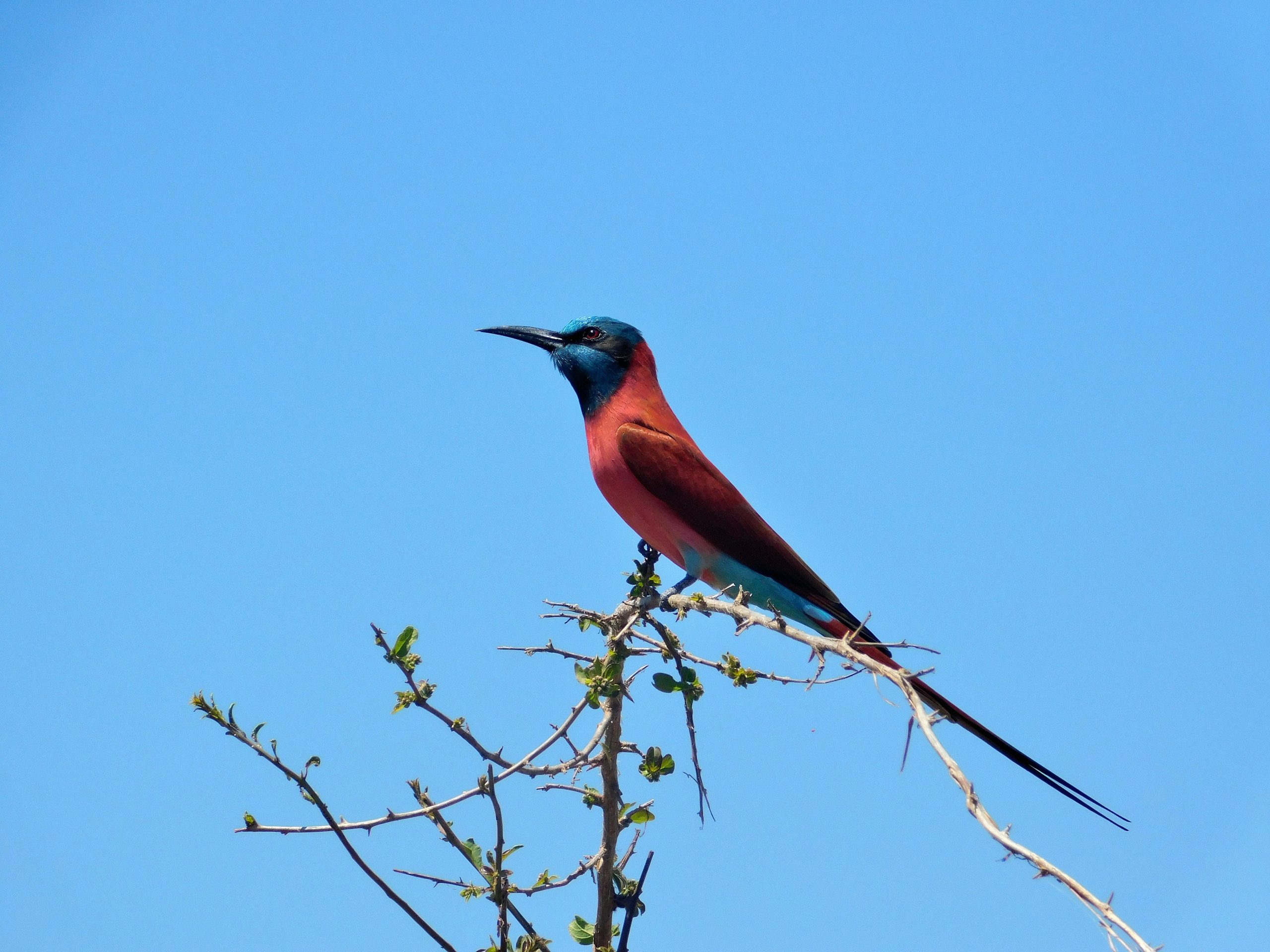
Bird Watching Tour Guide in Uganda
Bird Watching Tour Guide in Uganda
The Ultimate Bird Watching Tour Guide: Discover the World of Avian Wonders
Bird watching, also known as birding, is a fascinating and rewarding activity that connects people with nature. Whether you’re a seasoned enthusiast or a curious beginner, this guide will provide you with everything you need to know to embark on the perfect bird watching adventure. From essential tips to the best destinations, this comprehensive guide is designed to help you make the most of your birding experience.
What is Bird Watching?
Bird watching is the observation of birds in their natural habitats, often for recreational or scientific purposes. This activity allows individuals to appreciate the beauty, behavior, and diversity of bird species while fostering a deeper connection with the environment. Birding can be enjoyed solo, with friends, or as part of organized bird watching tours.
Why Bird Watching is a Must-Try Activity
Bird watching offers numerous benefits, including:
- Connection with Nature: Birding encourages you to explore the outdoors and appreciate the natural world.
- Stress Relief: Spending time in serene environments has been proven to reduce stress and improve mental health.
- Educational Value: Observing birds helps you learn about ecosystems, migration patterns, and conservation efforts.
- Community Building: Joining birding groups or tours connects you with like-minded individuals.
Essential Gear for Bird Watching
To make the most of your bird watching experience, you’ll need the right equipment. Here’s a list of must-have items:
1. Binoculars
Invest in a quality pair of binoculars for clear and close-up views of birds. Look for features like magnification, field of view, and durability.
2. Field Guide
A field guide is essential for identifying bird species. Choose a guide specific to your region for accurate information.
3. Notebook and Pen
Keep a notebook to jot down observations, including bird species, locations, and behaviors.
4. Camera
A camera with a zoom lens allows you to capture stunning images of birds in their natural habitats.
5. Comfortable Clothing
Wear lightweight, weather-appropriate clothing and sturdy footwear for outdoor exploration.
Tips for a Successful Bird Watching Tour
Follow these tips to enhance your birding experience:
1. Research Your Destination
Learn about the bird species and habitats in your chosen location to maximize your chances of spotting rare birds.
2. Be Patient and Quiet
Birds are easily startled, so remain still and quiet to avoid scaring them away.
3. Use a Checklist
Create a checklist of bird species you hope to see and tick them off as you spot them.
4. Respect Nature
Avoid disturbing birds or their habitats. Follow ethical birding practices to ensure a positive impact on the environment.
5. Join a Guided Tour
Participating in a guided bird watching tour provides expert knowledge and increases your chances of spotting elusive species.
Bird Watching Etiquette
To ensure a respectful and enjoyable experience for all, follow these etiquette guidelines:
- Respect Private Property: Obtain permission before entering private land.
- Minimize Noise: Keep conversations and movements quiet to avoid disturbing birds.
- Leave No Trace: Dispose of trash properly and avoid damaging vegetation.
- Share the Space: Be considerate of other bird watchers and nature enthusiasts.
Bird Watching for Beginners
If you’re new to bird watching, here are some tips to get started:
- Start in Your Backyard: Observe birds in your own backyard or local park to practice identification skills.
- Join a Birding Club: Connect with experienced birders who can offer guidance and support.
- Learn Bird Calls: Familiarize yourself with common bird calls to enhance your identification abilities.
- Use Apps: Download birding apps like Merlin Bird ID or eBird for assistance with identification and tracking.
Bird Conservation: Protecting Our Feathered Friends
Bird watching is not just about observation; it’s also an opportunity to contribute to conservation efforts. Here are some ways you can help:
- Support Bird Sanctuaries: Donate to or volunteer at bird sanctuaries and wildlife organizations.
- Participate in Citizen Science: Contribute to projects like the Christmas Bird Count or eBird to help track bird populations.
- Promote Habitat Preservation: Advocate for the protection of natural habitats and ecosystems.
FAQ: Frequently Asked Questions About Bird Watching
1. What is the best time of day for bird watching?
Birds are most active during the early morning and late afternoon, making these the best times for bird watching.
2. Do I need expensive equipment to start bird watching?
No, you can start with basic equipment like binoculars and a field guide. As you gain experience, you can invest in more advanced gear.
3. How can I identify bird species?
Use a combination of visual cues (color, size, shape) and auditory cues (calls, songs) to identify bird species. Field guides and apps can also be helpful.
4. Are there any bird watching tours for beginners?
Yes, many organizations offer guided bird watching tours tailored to beginners, providing expert guidance and support.
5. How can I attract birds to my backyard?
Plant native trees and shrubs, provide bird feeders and water sources, and avoid using pesticides to create a bird-friendly environment.
Bird watching is a captivating activity that offers endless opportunities for discovery and connection with nature. Whether you’re exploring exotic destinations or observing birds in your backyard, this guide equips you with the knowledge and tools to make the most of your birding adventures. So grab your binoculars, step outside, and immerse yourself in the enchanting world of birds!