
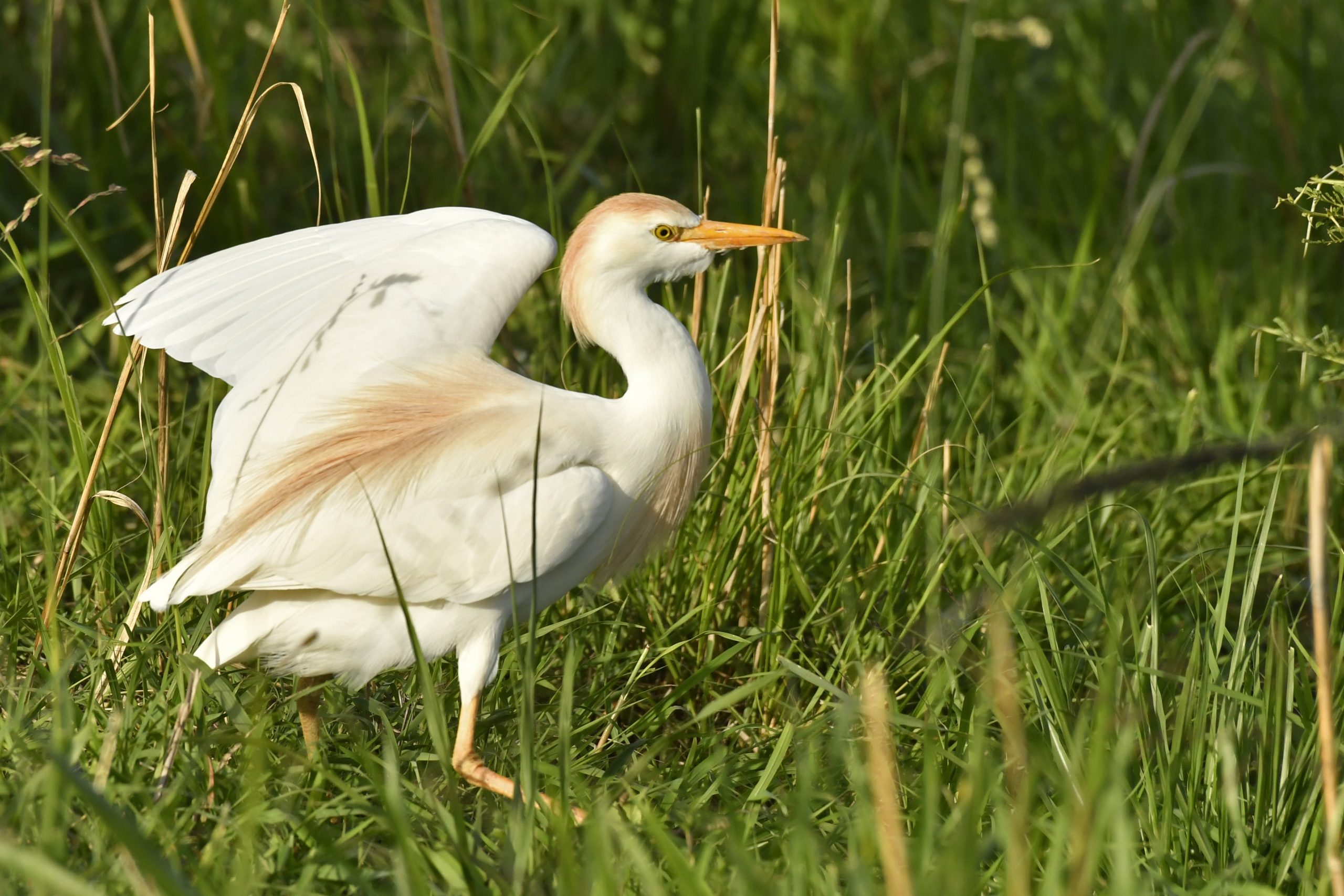
Birding Safari Watching in Uganda
Birding Safari Watching in Uganda
Birding Safari Watching in Uganda: A Complete Guide to the Pearl of Africa’s Avian Wonders
Uganda is widely celebrated as the “Pearl of Africa,” and for birders, that title is more than deserved. With over 1,000 recorded bird species packed into a relatively compact country, birding safari watching in Uganda is one of the most rewarding nature experiences on the continent. From the misty Albertine Rift forests to the papyrus-choked wetlands of Lake Victoria and the vast savannahs of the north, Uganda offers an extraordinary mix of habitats and with them, a stunning diversity of birds.
Whether you’re a seasoned birder chasing endemics or a curious traveler hoping to add a vibrant layer of wildlife discovery to your safari, Uganda delivers: rare forest specialties, iconic African raptors, colorful turacos, and legendary species like the Shoebill. Below is a comprehensive guide to planning a successful birding journey, the best destinations, what to expect seasonally, and how to structure an itinerary that maximizes sightings.
Why Uganda Is a Top Birding Destination in Africa
Uganda’s strength lies in its intersection of ecosystems: East African savannah, Central African rainforest, high-altitude montane zones, and extensive wetlands. This convergence creates one of Africa’s richest bird lists and makes Uganda an ideal destination for travelers who want birdwatching alongside primates and classic game viewing.
Key reasons birders love Uganda:
- Exceptional species count (over 1,000 species)
- Albertine Rift endemics found in few other places on Earth
- Year-round birding with different highlights across seasons
- Strong combination of birding + gorilla trekking + wildlife safari
- High-quality guiding opportunities and accessible parks
For travelers who want a professionally arranged safari with knowledgeable local expertise, you can explore curated Uganda options via Turkana Wildlife Safaris.
Best Birding Safari Destinations in Uganda
Uganda’s most productive birding sites range from dense forests to open plains. The “best” depends on your target species, time of year, and how much travel you want to include.
Bwindi Impenetrable Forest National Park (Forest Birding & Endemics)
Bwindi is famous for gorillas, but for birders it’s a treasure chest home to many Albertine Rift endemics. The forest’s elevation gradients and thick vegetation make birding challenging yet deeply rewarding.
Highlights may include:
- African Green Broadbill (highly sought-after)
- Handsome Francolin
- Dusky Crimsonwing
- Ruwenzori Turaco
- Grauer’s Rush Warbler (near swampy areas)
Bwindi is ideal for travelers who want a combined gorilla + birding experience. Consider pairing it with other forest parks for a fuller endemic list.
Planning note: You can integrate Bwindi into a broader safari itinerary through a trusted operator like Turkana Wildlife Safaris.
Mabamba Swamp (Shoebill Capital)
If your dream bird is the prehistoric-looking Shoebill, Mabamba Swamp is one of the most reliable places in Africa to see it. A canoe excursion through papyrus channels often produces sightings not only of Shoebill but also many wetland specialists.
Other species commonly encountered:
- Papyrus Gonolek
- Blue-breasted Bee-eater
- Malachite Kingfisher
- African Jacana
- Swamp Flycatcher
This is one of the most efficient day trips from Entebbe or Kampala and works well at the beginning or end of a longer safari.
Queen Elizabeth National Park (Savannah, Wetlands & Raptors)
Queen Elizabeth National Park offers one of the best “all-in-one” birding experiences: open plains, crater lakes, wetlands, and the Kazinga Channel all packed with birdlife.
What makes it special:
- Strong diversity in a short time
- Excellent boat birding along the Kazinga Channel
- Superb raptor viewing and waterbird concentrations
Expect:
- African Fish Eagle
- Saddle-billed Stork
- Great White Pelican
- African Skimmer (seasonal)
- Various vultures, eagles, and harriers
Queen Elizabeth is also an excellent park for mixing birding with general wildlife (elephants, buffalo, hippos, and more).
Murchison Falls National Park (Big Landscapes & Big Birding)
Murchison Falls is a powerhouse for both classic safari scenery and bird diversity. The Nile boat trip is especially productive for kingfishers, herons, storks, and raptors.
Birding standouts:
- Shoebill (not guaranteed but possible, especially in delta areas)
- Goliath Heron
- Abyssinian Ground Hornbill
- Pied Kingfisher
- Carmine and Swallow-tailed Bee-eaters (seasonal and location-dependent)
If you want to combine a photogenic safari with excellent birding opportunities, Murchison is a must.
Kibale Forest National Park (Primates + Forest Birds)
Kibale is famous for chimpanzees, but it’s also one of Uganda’s best forest birding sites. Birding here tends to be more accessible than in some denser forests, and the surrounding Bigodi Wetland Sanctuary adds wetland species.
Look for:
- Great Blue Turaco
- Green-breasted Pitta (seasonal/rare but possible)
- African Emerald Cuckoo
- Black-and-white Casqued Hornbill
Kibale is a perfect mid-safari stop for travelers who want a rich mix of birding and primate encounters.
Semuliki National Park (Congo-forest Specials)
Semuliki is one of Uganda’s most unique birding zones due to its lowland Congo forest influence. If you want species that feel more “Central African,” Semuliki can deliver.
Possible highlights:
- African Dwarf Kingfisher
- Chocolate-backed Kingfisher
- White-crested Hornbill
- Nkulengu Rail (elusive)
Semuliki is best for birders with enough time and flexibility to explore.
Kidepo Valley National Park (Remote, Wild & Underbirded)
Kidepo is remote, dramatic, and often described as Uganda’s most beautiful savannah park. While it’s not always the first stop for first-time birders due to distance, it offers special dry-country species and a unique safari atmosphere.
Birding appeal:
- Ostrich (in some areas)
- Raptors and open-country birds
- Less-crowded game drives and a sense of wilderness
Best Time for Birding Safari Watching in Uganda
Uganda is a year-round birding destination, but different seasons offer different advantages.
Dry Seasons (Approx. June–August & December–February)
- Easier road conditions
- Better general safari logistics
- More comfortable walking and forest trails
- Good visibility in open habitats
Wet/Green Seasons (Approx. March–May & September–November)
- Peak breeding activity: more songs, displays, and nesting behavior
- Migratory species present (especially Palearctic migrants)
- Lush landscapes and excellent photography opportunities
- Some roads/trails can be challenging
For serious birders, shoulder seasons can be ideal balancing access with peak bird activity.
What a Uganda Birding Safari Feels Like (Expectations & Style)
Birding in Uganda often involves:
- Early mornings (best bird activity)
- Slow, deliberate walks with frequent stops
- Listening as much as looking (forest birding is sound-driven)
- A mix of game drives, boat trips, and guided forest trails
- Occasional “target bird” sessions where you focus on a single species
Important: forest birding can be physically demanding (steep trails, humid conditions). But the reward rare endemics and unforgettable sightings s immense.
Recommended Uganda Birding Safari Itinerary (10–14 Days)
Below is a highly effective structure that balances forests, savannah, and wetlands.
Option A: 10 Days (Efficient & Diverse)
- Day 1: Entebbe – Mabamba Swamp (Shoebill)
- Day 2–3: Kibale (chimp + birds) + Bigodi
- Day 4–5: Queen Elizabeth (Kazinga boat + game drive birding)
- Day 6–8: Bwindi (Albertine Rift endemics + optional gorilla trek)
- Day 9–10: Return to Entebbe (with optional stopovers)
Option B: 14 Days (Expanded Endemics & Variety)
- Add Semuliki for Congo-forest birds
- Add Murchison Falls for Nile/Delta birding
- Include longer Bwindi and/or Mgahinga time for endemic focus
For custom planning and organized logistics, browse safari structures at Turkana Wildlife Safaris (and request a birding-focused version of any itinerary).
Essential Tips for a Successful Birding Safari in Uganda
Gear & Packing Checklist
- Binoculars (8×42 or 10×42)
- Camera with a telephoto lens (optional but rewarding)
- Lightweight rain jacket (even in dry seasons)
- Neutral-colored clothing
- Comfortable walking shoes with good grip
- Field guide or birding app (e.g., Merlin + offline packs)
- Small daypack + dry bag for boat trips
Field Strategy (How to See More Birds)
- Prioritize dawn sessions
- Mix habitats daily (forest edge + wetland + open areas)
- Use guides who know calls and microhabitats
- Be patient with mixed-species flocks in forests
- Plan for at least one boat-based birding day (Kazinga or Nile)
Health & Practical Notes
- Uganda is a malaria-risk country: consult a travel clinic
- Yellow fever vaccination is often required
- Hydration matters forest walks are humid
Responsible Birding: Conservation & Ethics
Uganda’s bird habitats are precious and, in some areas, sensitive. Responsible birding helps protect both wildlife and local livelihoods.
Best practices:
- Keep respectful distance from nests and roosts
- Avoid excessive playback (especially with rare species)
- Support local community sanctuaries (e.g., wetlands and forest-edge projects)
- Choose operators who value conservation and fair employment
FAQ: Birding Safari Watching in Uganda
1) Is Uganda good for beginner birdwatchers?
Yes. Uganda offers high bird density and many easy-to-see species, especially in parks like Queen Elizabeth and Murchison Falls. A good guide makes identification and spotting much easier for beginners.
2) Where is the best place to see the Shoebill in Uganda?
Mabamba Swamp near Entebbe is the most reliable location. Shoebill sightings are also possible in Murchison Falls delta areas, though less predictable.
3) How many days do I need for a proper birding safari in Uganda?
A well-rounded trip is typically 10–14 days to cover wetlands, savannah parks, and at least one Albertine Rift forest for endemics.
4) Can I combine gorilla trekking with birding in Uganda?
Absolutely. Bwindi Impenetrable Forest is one of the best places in Africa to combine gorillas and specialized forest birding in a single destination.
5) Do I need a specialist birding guide?
If you’re targeting endemics or building a serious checklist, yes, specialist guides dramatically improve success, especially in forests where calls and microhabitats matter.
Plan Your Uganda Birding Safari
Uganda is a destination where every day can feel like a new chapter: a Shoebill gliding above papyrus, a turaco flashing crimson wings through canopy gaps, raptors circling above sunlit savannah, and forest flocks moving like living mosaics through green shadows.
If you want to turn this into a seamless, expertly-paced safari, start by exploring Turkana Wildlife Safaris and request a birding-focused itinerary tailored to your target species, timing, and preferred comfort level.