
Turkana Region
Turkana Region
Turkana Region: Kenya’s Remote Frontier of Desert Lakes, Living Cultures, and Untamed Landscapes
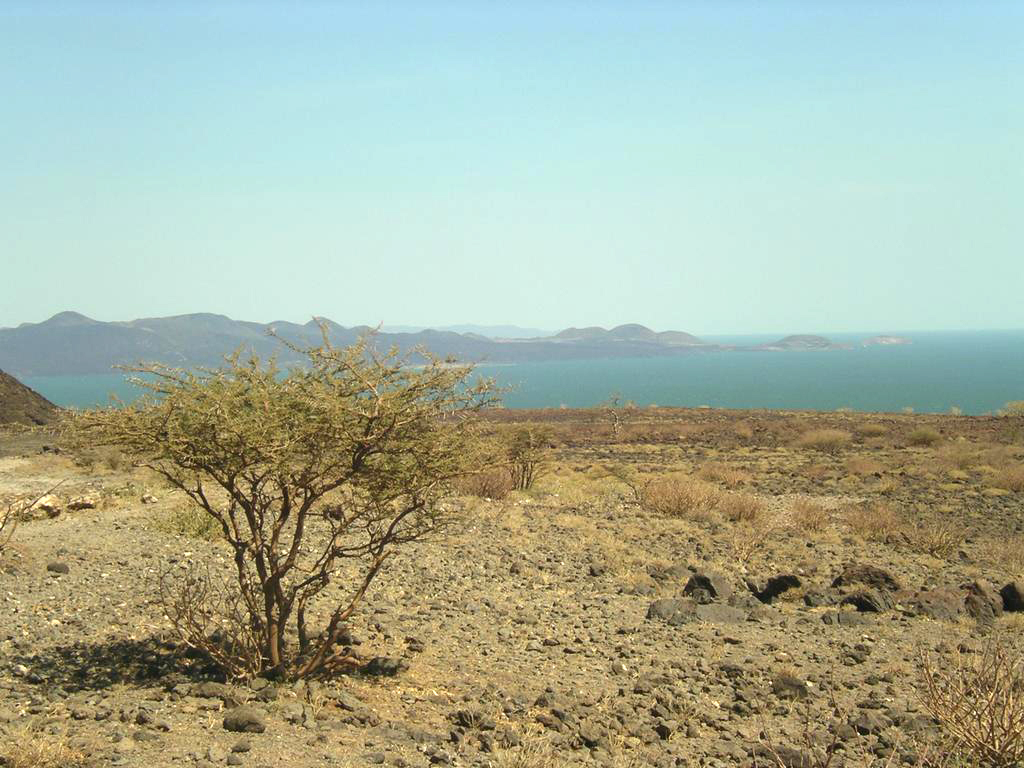
The Turkana Region in northwestern Kenya is one of East Africa’s most dramatic frontiers vast, sun-scorched, and astonishingly alive. It is a place where volcanic ridges rise from desert plains, where Lake Turkana (the world’s largest permanent desert lake) shimmers jade-green under relentless skies, and where pastoralist communities maintain cultural traditions that have endured for centuries.
Often described as Kenya’s “last frontier,” Turkana rewards travelers who crave raw landscapes, deep cultural encounters, and geological stories written across basalt, sand, and salt. This guide explores what makes Turkana exceptional its geography, wildlife, culture, top experiences, when to visit, how to plan responsibly, and where to find a trustworthy operator for logistics and guiding (including resources from Turkana Wildlife Safaris).
Why the Turkana Region Belongs on an Adventurer’s Map
Turkana is not a conventional safari destination. You don’t come here for crowds, manicured lodges, or predictable game drives. You come for scale, silence, and story for landscapes that feel prehistoric, for living cultural heritage, and for the magnetic pull of a place most people only see on maps.
What makes Turkana unique
- Lake Turkana, a desert inland sea with volcanic islands and crocodile-rich shores
- Koobi Fora and the broader Turkana Basin globally significant for paleoanthropology
- The Loiyangalani corridor where basalt meets sand and cultures meet the lake
- A powerful mosaic of communities including Turkana, Rendille, Samburu, El Molo, and others
- Remote wilderness travel: expedition-style, often by 4×4 with expert local guidance
For trip concepts and multi-day itineraries built around culture and lake exploration, start with Turkana Wildlife Safaris and discuss routing, security updates, and seasonal access.
Geography & Landscapes: Desert, Volcanoes, and the Jade Sea
Turkana sits in the Great Rift Valley system, where tectonic forces have shaped a land of lava flows, escarpments, cratered hills, and dramatic shorelines. The region’s environment is largely arid to semi-arid hot days, strong winds, and a striking palette of black volcanic rock, pale sand, and green-blue water.
Key landscape zones
- Lake Turkana shoreline: beaches, dunes, and rocky inlets
- Central Island & South Island (lake islands): volcanic formations and breeding grounds for birds (access depends on permits and conditions)
- Loiyangalani & the eastern shore: lava fields, palm-fringed pockets, and cultural settlements
- Turkana Basin: fossil-rich badlands and sweeping plains
Lake Turkana in context
Known historically as the “Jade Sea,” Lake Turkana is alkaline and often windy, with sudden squalls. Its vastness is hard to grasp until you stand at the shoreline and watch the horizon dissolve into water and heat haze.
If you’re planning an expedition that includes lake crossings, island visits, or shoreline camping, coordinate logistics with an experienced regional operator such as Turkana Wildlife Safaris, especially because conditions and access can change.
Culture & People: Living Traditions in a Changing Land
One of Turkana’s most compelling elements is its human geography. This is a region where culture is not staged it is lived. Encounters here can be profound when approached with humility, consent, and the right guides.
Communities you may encounter
- Turkana: renowned pastoralists with strong social structures and identity
- Rendille & Samburu (in border areas): camel herding traditions and distinctive adornment
- El Molo: historically lake-associated livelihoods and a unique cultural identity
How to visit respectfully
- Always seek permission before photography
- Use local guides and interpreters
- Avoid transactional or intrusive interactions
- Learn basic greetings and cultural norms
- Choose trips that contribute to local economies fairly
A curated cultural journey is best done through trusted connections. Operators familiar with community protocols such as Turkana Wildlife Safaris can help ensure visits are ethical and mutually respectful.
Wildlife in Turkana: Subtle, Surprising, and Highly Localized
Turkana is not a “Big Five” destination, but it is rich in specialized desert and lake ecosystems. Wildlife viewing depends heavily on where you go: shoreline, river mouths, islands, or dry plains.
Wildlife highlights
- Nile crocodiles (notably around crocodile nesting areas)
- Hippos in certain water systems and riverine pockets
- Birdlife: pelicans, cormorants, herons, and migratory species
- Desert-adapted mammals: greater kudu, oryx (in some areas), and smaller species depending on habitat
Best wildlife contexts
- River mouths and wetlands: higher density of birds and aquatic life
- Lake islands: nesting birds and unique ecological pockets
- Escarpments and plains: broader desert wildlife patterns
For realistic expectations and the best seasonal spots, consult a local specialist like Turkana Wildlife Safaris.
Top Things to Do in the Turkana Region
Turkana travel is about crafting an experience: part geology, part culture, part wilderness. Here are standout experiences that define the region.
1) Explore Lake Turkana’s Shorelines and Vistas
The lake is the anchor of the region. Shoreline exploration may include:
- Wind-carved dunes and volcanic pebble beaches
- Fishing communities and lake crossings (conditions permitting)
- Sunrise and sunset photography with dramatic contrast
To plan a lake-centered route, begin at Turkana Wildlife Safaris for options and safety planning.
2) Visit Loiyangalani: Where Lava Meets the Lake
Loiyangalani is famous for:
- Striking volcanic terrain
- Access to lake views and cultural interactions
- A slower rhythm that lets you feel the region’s scale
3) Discover the Turkana Basin’s Deep-Time Story
The Turkana Basin is globally important for human origins research. Even without being a specialist, you can appreciate:
- Fossil landscapes that feel like open-air archives
- The scale of geological time visible in sediment layers
For guided visits tied to cultural and natural interpretation, consider arranging a specialized itinerary via Turkana Wildlife Safaris.
4) Expedition-Style 4×4 Travel Through Remote Country
A key “activity” in Turkana is the journey itself:
- Off-grid routes
- Long horizons
- Remote camps and starscapes
What to expect on overland trips
- Early starts to avoid extreme midday heat
- Rough roads and dust
- Flexible schedules based on conditions
5) Photography: People, Patterns, and Planetary Landscapes
Turkana is extraordinary for photographers:
- Basalt textures, dune curves, and shoreline geometry
- Portrait opportunities with consent and cultural awareness
- Atmospheric haze and dramatic skies
Bring protective gear for dust and heat; travel with guides who can facilitate respectful access again, Turkana Wildlife Safaris is a useful starting point.
Best Time to Visit Turkana Region
Turkana can be visited year-round, but comfort and access vary. The region is hot and arid; seasonal rains affect roads and some routes.
General seasonal guidance
- Dry seasons: typically easier road access and clearer travel plans
- Hot months: daytime temperatures can be intense; plan early/late activities
- Rain periods: can complicate travel logistics (mud, washed-out tracks), but may bring greener pockets and dynamic skies
Because weather and road conditions can shift quickly, check current conditions with on-the-ground experts like Turkana Wildlife Safaris before finalizing dates.
How to Get to Turkana (and Why Planning Matters)
Turkana is remote. Your approach depends on your timeframe, comfort level, and the experience you want (overland expedition vs. partial flights).
Common access approaches
- Overland 4×4 expedition from central Kenya (multi-day, scenic, demanding)
- Fly-in segments to reduce travel time, then continue by road locally (where possible)
- Combination itineraries linking Samburu/Marsabit corridors with the lake
Why you need a solid operator
Logistics in Turkana involve:
- Fuel planning
- Water and supplies
- Vehicle readiness and spares
- Route updates and local advisories
- Permits or permissions for certain areas
To build a safe, well-supported plan, consult Turkana Wildlife Safaris for local routing and operational expertise.
Where to Stay: Lodges, Camps, and Expedition Setups
Accommodation varies widely depending on where you go. Some travelers prefer rustic lodges; others want mobile camping for maximum access.
Typical accommodation styles
- Lodges/camps near key hubs (comfort, showers, meals provided)
- Mobile camping (flexible, immersive, requires support crew or self-sufficiency)
- Community-adjacent stays (when available, with cultural etiquette in mind)
A knowledgeable outfitter can match your comfort level to realistic options and distances. Start at Turkana Wildlife Safaris to explore what’s feasible.
Responsible Travel in Turkana: Safety, Ethics, and Impact
Turkana is a place where responsible choices matter socially and environmentally.
Ethical travel principles
- Pay fair rates for guiding and cultural experiences
- Avoid exploitative photography
- Leave no trace: pack out waste, minimize plastic
- Respect community boundaries and local leadership structures
Practical safety essentials
- Heat management: hydration, electrolyte planning, shade breaks
- Sun protection: wide-brim hat, sunscreen, long sleeves
- Medical readiness: first aid kit, personal meds, travel insurance
- Communications: satellite phone or reliable comms on remote routes
A serious operator should brief you thoroughly, carry safety equipment, and have contingency planning. Use Turkana Wildlife Safaris as a reference point for professionally organized journeys.
Sample Itinerary Ideas (Adjustable to Season and Interests)
Here are itinerary frameworks you can customize.
5–7 Days: Lake Turkana & Loiyangalani Focus
- Travel into the region (overland or fly/road combo)
- Loiyangalani cultural and landscape exploration
- Shoreline photography, boat excursions when safe/available
- Optional island visit (conditions and permits permitting)
8–12 Days: Turkana Expedition + Basin Landscapes
- Transit through northern Kenya’s dramatic corridors
- Multi-stop lake and desert immersion
- Fossil landscape interpretation (where accessible)
- Community engagement with ethical guidance
To turn one of these into a concrete plan, request a tailored program via Turkana Wildlife Safaris.
FAQ: Turkana Region Travel
1) Is the Turkana Region safe to visit?
Safety depends on route, timing, local conditions, and how you travel. Go with experienced guides, follow current advisories, and avoid improvising remote routes alone. Operators like Turkana Wildlife Safaris can advise on practical, up-to-date planning.
2) What’s the best highlight—Lake Turkana or cultural experiences?
Most travelers find the combination is the magic: the lake’s surreal landscapes plus respectful cultural encounters. A balanced itinerary usually delivers the most rewarding experience.
3) How many days do I need for Turkana?
A meaningful trip typically needs at least 5–7 days due to travel distances. For deeper exploration, 8–12 days is ideal.
4) Can I do a “classic safari” in Turkana?
Not in the conventional sense. Turkana is more about desert and-lake ecosystems, remote exploration, and cultural depth than dense big-game viewing.
5) Do I need a guide or can I self-drive?
Self-driving is possible for highly experienced overlanders with strong logistics and risk management. For most travelers, a guided trip is strongly recommended due to road conditions, planning complexity, and local context. Start planning with Turkana Wildlife Safaris.