
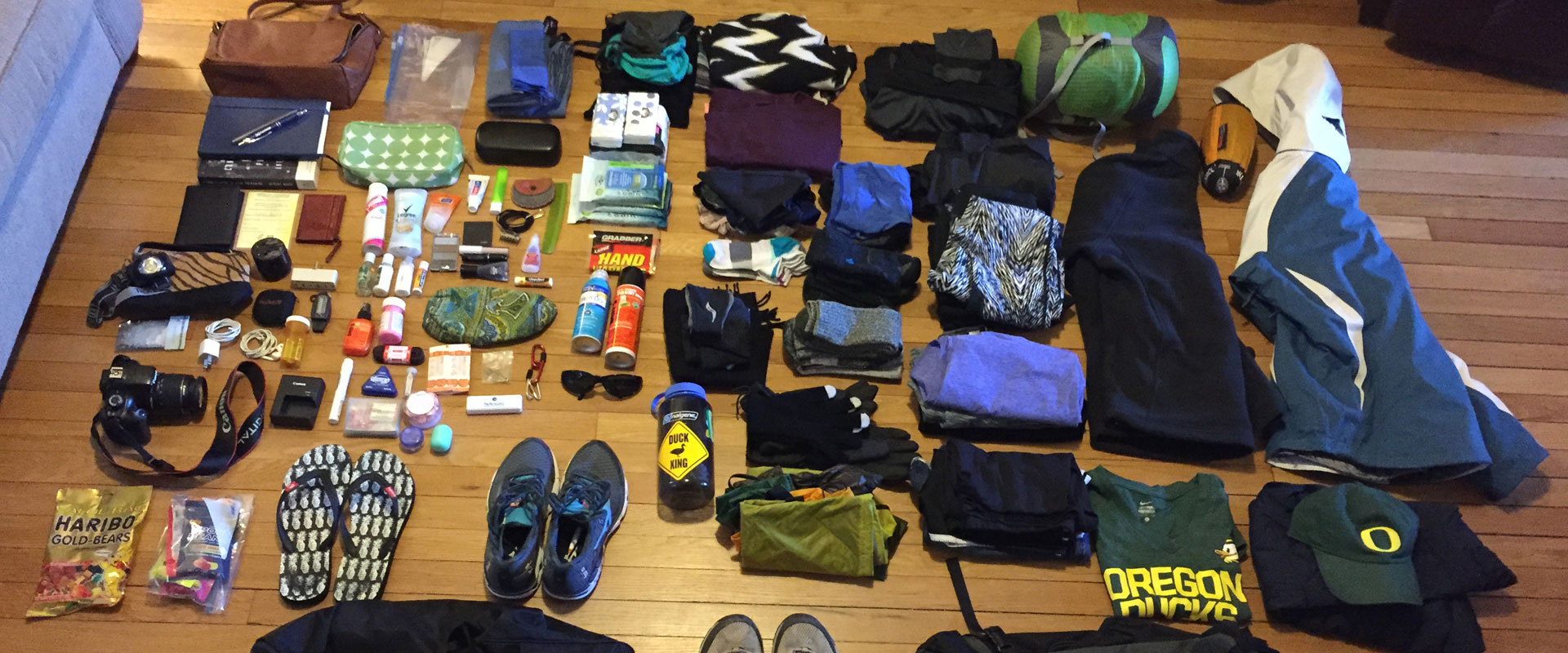
Essential Safari Packing List
Essential Safari Packing List
Essential Safari Packing List: Complete Guide for an Unforgettable African Adventure with Turkana Wildlife Safaris Uganda
Embarking on a safari in Africa especially in Uganda is a once in a lifetime experience filled with breathtaking wildlife encounters, scenic landscapes, and immersive cultural moments. However, what you pack can make or break your journey. Whether you’re heading to Queen Elizabeth National Park, Murchison Falls, or Kidepo Valley, being well-prepared ensures comfort, safety, and enjoyment.
If you’re traveling with a trusted operator like Turkana Wildlife Safaris Uganda, you’ll also benefit from expert guidance but packing smart remains your responsibility.
Below is a complete essential safari packing list, followed by FAQs and a helpful conclusion.
Essential Safari Packing List for Uganda
1. Clothing (Comfort + Functionality First)
Safari clothing should be lightweight, breathable, and neutral-colored (khaki, olive, beige) to blend with nature and avoid attracting insects.
- Lightweight long-sleeve shirts (sun + insect protection)
- T-shirts and tank tops (for daytime heat)
- Convertible hiking pants or cargo trousers
- Light jacket or fleece (early mornings & evenings get cold)
- Waterproof rain jacket (especially in Uganda’s tropical climate)
- Comfortable sleepwear
- Wide-brim hat or cap
- Swimsuit (lodges often have pools)
Avoid: Bright colors, camouflage patterns (restricted in some areas), and heavy jeans.
2. Footwear
- Comfortable hiking boots (game drives + nature walks)
- Lightweight sneakers or sandals (for lodge use)
- Flip-flops (for showers or relaxation)
3. Travel Documents & Money
- Valid passport (at least 6 months validity)
- Uganda visa (or e-visa approval)
- Yellow fever vaccination certificate
- Travel insurance documents
- Printed safari itinerary
- Emergency contact list
- Cash (USD preferred in small denominations)
- Credit/debit cards
4. Health & Personal Care Kit
- Prescription medication
- Anti-malaria medication (consult your doctor)
- Insect repellent (DEET-based recommended)
- Sunscreen (SPF 30+)
- Lip balm with SPF
- Hand sanitizer & wet wipes
- Basic first aid kit (bandages, antiseptic, painkillers)
- Reusable water bottle
5. Safari Gear & Electronics
- Camera with zoom lens (wildlife photography essential)
- Extra memory cards & batteries
- Binoculars (for distant wildlife viewing)
- Power bank or portable charger
- Universal travel adapter (UK-style plug common in Uganda)
- Headlamp or flashlight
6. Luggage Tips
- Soft-sided duffel bag (preferred for safari vehicles)
- Small daypack for game drives
- Waterproof bag or dry sack (for boat safaris or rain protection)
7. Optional But Useful Items
- Guidebook or wildlife checklist
- Notebook or travel journal
- Snacks (energy bars, dried fruit)
- Lightweight scarf or buff (dust protection during drives)
Safari Packing Tips for Uganda
- Pack light most safari vehicles have luggage limits.
- Layer clothing due to changing temperatures.
- Always keep essentials in your carry-on (medication, documents, valuables).
- Neutral tones help you blend into the environment and improve wildlife viewing.
Frequently Asked Questions (FAQs)
1. What should I NOT pack for a Uganda safari?
Avoid heavy luggage, bright neon clothing, strong perfumes, and unnecessary valuables. Also avoid camouflage clothing as it may be restricted in some areas.
2. Do I need binoculars for a safari in Uganda?
Yes, binoculars are highly recommended. They help you see distant animals clearly, especially in large parks like Queen Elizabeth National Park.
3. Is mosquito protection really necessary?
Absolutely. Uganda is a tropical destination, and mosquito protection is essential to prevent bites and reduce malaria risk.
4. Can I do laundry during safari trips?
Most safari lodges offer laundry services, but it may take 24–48 hours. Packing light is still advised.
5. What type of bag is best for safari travel?
Soft-sided duffel bags are preferred because they fit easily in safari vehicles and small aircraft used for domestic transfers.
6. Do I need special gear for photography?
A camera with zoom (200mm or more) is ideal. Phones can work, but wildlife photography is best with dedicated equipment.
7. Why travel with Turkana Wildlife Safaris Uganda?
Traveling with Turkana Wildlife Safaris Uganda gives you access to experienced safari guides, well planned itineraries, and tailored wildlife experiences across Uganda’s top destinations.
Conclusion
Packing for a safari in Uganda is about balance comfort, practicality, and preparedness. The right gear ensures you enjoy every moment, from early morning game drives to sunset views over the savannah.
With a well-thought-out packing list and support from professionals like Turkana Wildlife Safaris Uganda, your African safari becomes not just a trip, but a seamless adventure filled with unforgettable wildlife encounters.
If you prepare well, the wilderness will take care of the rest.