
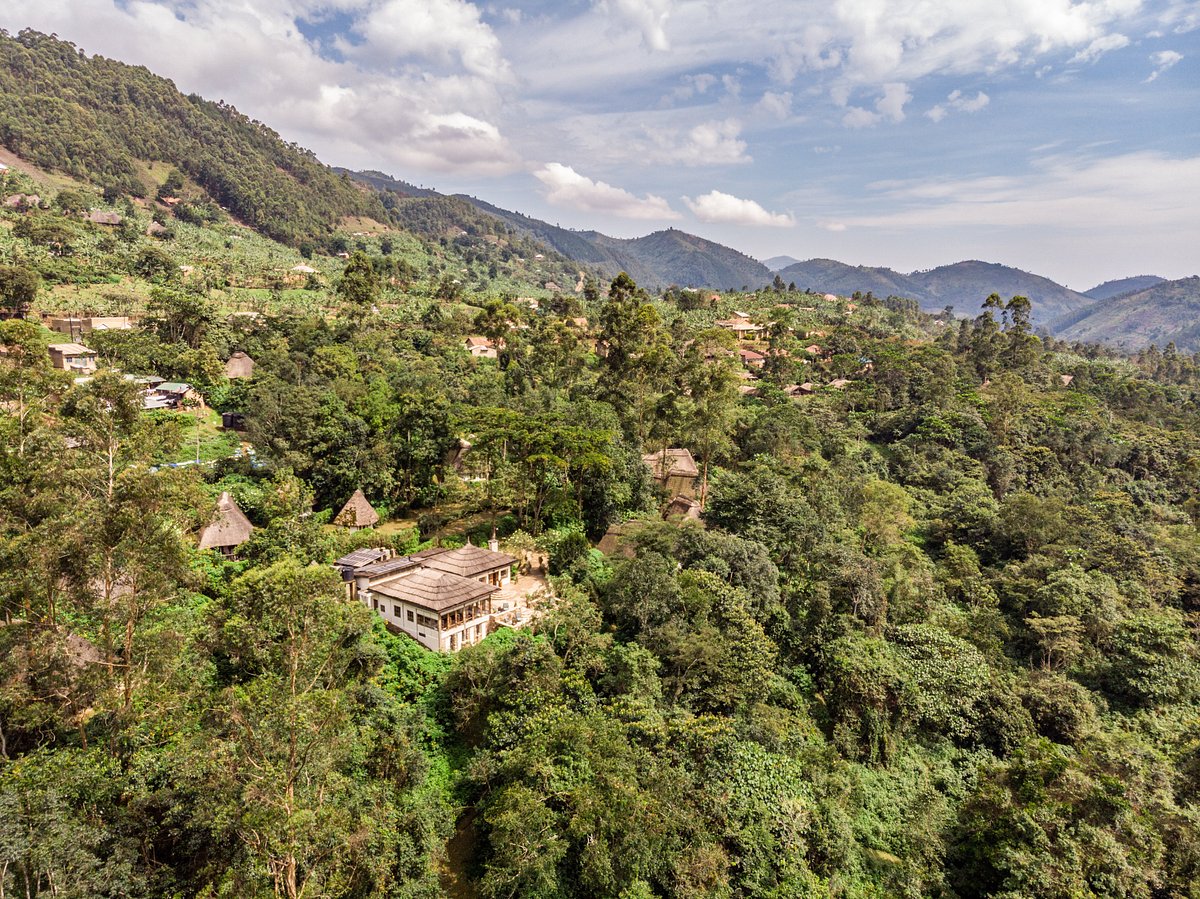
Bwindi Forest Farm Buhoma
Bwindi Forest Farm Buhoma
Bwindi Forest Farm: A Hidden Gem of Sustainable Agriculture and Ecotourism
Introduction
Nestled in the lush, verdant landscapes of southwestern Uganda, Bwindi Forest Farm is more than just a farm—it’s a beacon of sustainable agriculture, biodiversity conservation, and ecotourism. Situated near the renowned Bwindi Impenetrable National Park, a UNESCO World Heritage Site, this farm offers a unique blend of environmental stewardship and community development. In this article, we’ll explore the fascinating story of Bwindi Forest Farm, its role in sustainable farming, its connection to the surrounding ecosystem, and its significance in promoting eco-friendly tourism.
The Location: A Gateway to Bwindi Impenetrable National Park
Bwindi Forest Farm is strategically located near the Bwindi Impenetrable National Park, a globally recognized biodiversity hotspot. This forest is home to over half of the world’s remaining mountain gorillas, as well as countless other species of flora and fauna. The farm benefits from its proximity to this ecological treasure, drawing visitors who are eager to experience both the natural wonders of the park and the sustainable practices of the farm.
Why Bwindi Forest Farm Stands Out
- Biodiversity Conservation: The farm operates with a deep respect for the surrounding environment, ensuring that its agricultural practices do not harm the delicate ecosystem of the Bwindi forest.
- Community Empowerment: Local communities are actively involved in the farm’s operations, creating jobs and fostering a sense of ownership.
- Ecotourism: Visitors to the farm are treated to an immersive experience that combines education, adventure, and sustainability.
Sustainable Agriculture at Bwindi Forest Farm
Organic Farming Practices
At the heart of Bwindi Forest Farm’s operations is a commitment to organic farming. By avoiding synthetic fertilizers and pesticides, the farm ensures that its produce is not only healthy but also environmentally friendly.
Key Organic Practices:
- Crop Rotation: This method helps maintain soil fertility and prevents pest infestations.
- Composting: Organic waste is recycled into nutrient-rich compost, reducing waste and enriching the soil.
- Agroforestry: Trees are integrated into the farming system, providing shade, improving soil quality, and supporting biodiversity.
Permaculture Design
The farm employs permaculture principles, which focus on creating self-sustaining agricultural ecosystems. This approach minimizes external inputs and maximizes efficiency.
The Role of Bwindi Forest Farm in Biodiversity Conservation
Bwindi Forest Farm plays a crucial role in preserving the rich biodiversity of the region. By practicing sustainable agriculture, the farm reduces the pressure on the nearby forest, which might otherwise be exploited for farming or logging.
Wildlife Corridors
The farm has established wildlife corridors that connect different parts of the forest, allowing animals to move freely and safely. These corridors are particularly important for species like mountain gorillas, which require large territories to thrive.
Indigenous Plant Species
Bwindi Forest Farm also cultivates indigenous plant species, many of which have medicinal or cultural significance. This helps preserve the region’s botanical heritage while providing additional income streams for the farm.
Bwindi Forest Farm and Ecotourism
A Unique Visitor Experience
Tourists visiting Bwindi Forest Farm are treated to a unique experience that combines education, adventure, and relaxation.
Activities for Visitors:
- Farm Tours: Learn about sustainable farming practices and see them in action.
- Nature Walks: Explore the stunning landscapes around the farm, including its wildlife corridors.
- Cultural Experiences: Engage with local communities and learn about their traditions and way of life.
Supporting Local Communities
By attracting tourists, Bwindi Forest Farm generates income that benefits local communities. This includes funding for schools, healthcare facilities, and other essential services.
Challenges and Future Prospects
Challenges
Like any sustainable initiative, Bwindi Forest Farm faces its share of challenges. These include:
- Climate Change: Unpredictable weather patterns can affect crop yields and biodiversity.
- Funding: Maintaining sustainable practices and supporting community projects require significant financial resources.
Future Plans
Despite these challenges, the farm has ambitious plans for the future, including:
- Expanding its wildlife corridors to cover a larger area.
- Introducing new eco-friendly technologies, such as solar-powered irrigation systems.
- Strengthening partnerships with conservation organizations and ecotourism operators.
FAQs
1. Where is Bwindi Forest Farm located?
Bwindi Forest Farm is located near the Bwindi Impenetrable National Park in southwestern Uganda.
2. What makes Bwindi Forest Farm unique?
The farm stands out for its commitment to sustainable agriculture, biodiversity conservation, and community empowerment.
3. Can visitors stay at Bwindi Forest Farm?
Yes, the farm offers accommodations for visitors, allowing them to fully immerse themselves in the experience.
4. How does the farm contribute to biodiversity conservation?
Bwindi Forest Farm reduces pressure on the nearby forest through sustainable farming, establishes wildlife corridors, and cultivates indigenous plant species.
5. What activities can tourists enjoy at the farm?
Visitors can enjoy farm tours, nature walks, and cultural experiences with local communities.
Conclusion
Bwindi Forest Farm is a shining example of how sustainable agriculture and ecotourism can coexist to benefit both people and the planet. By prioritizing biodiversity conservation, empowering local communities, and offering unique visitor experiences, the farm has established itself as a model for sustainable development. Whether you’re a nature enthusiast, a conservationist, or simply someone looking for a meaningful travel experience, Bwindi Forest Farm is a destination that promises to inspire and educate.