
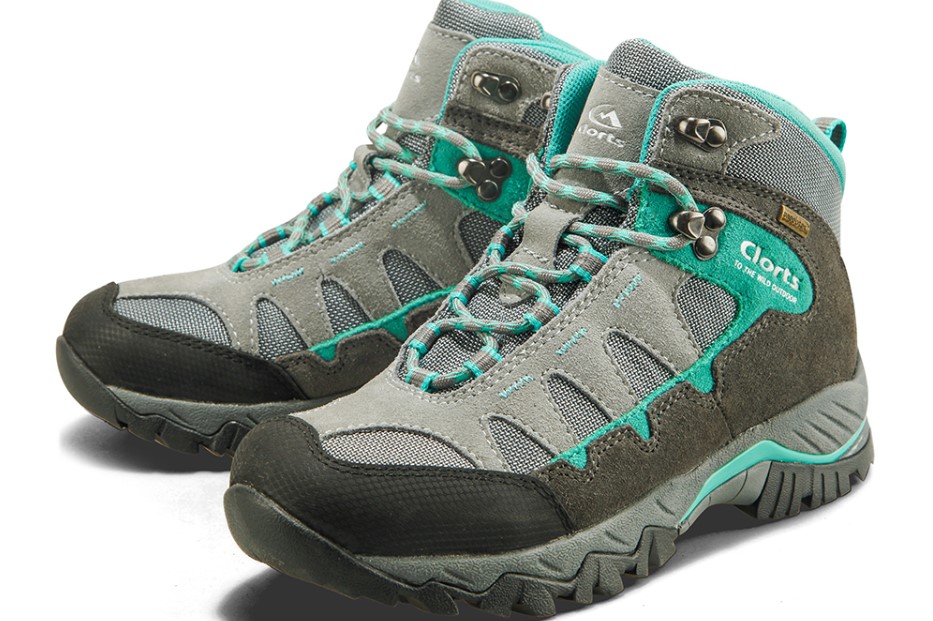
Bwindi Hiking Boots
Bwindi Hiking Boots
The Ultimate Guide to Choosing the Best Bwindi Hiking Boots for Your Adventure
Introduction
Hiking through the dense and breathtaking Bwindi Impenetrable Forest is an experience like no other. Whether you’re trekking to see the majestic mountain gorillas or exploring the lush trails, having the right pair of hiking boots is crucial. The rugged terrain, unpredictable weather, and steep inclines demand footwear that provides comfort, durability, and support.
In this comprehensive guide, we’ll explore the best Bwindi hiking boots, what features to look for, and how to choose the perfect pair for your adventure.
Why You Need the Right Hiking Boots for Bwindi
The Bwindi Impenetrable Forest is known for its thick vegetation, muddy trails, and steep slopes. Without the right footwear, your trek can quickly become uncomfortable and even dangerous. Here’s why investing in high-quality hiking boots is essential:
- Traction & Grip – The forest trails can be slippery, especially during the rainy season. A good pair of boots with excellent grip will prevent falls and injuries.
- Waterproofing – Bwindi is a rainforest, meaning wet conditions are common. Waterproof boots will keep your feet dry and comfortable.
- Ankle Support – The uneven terrain requires sturdy ankle support to prevent sprains and injuries.
- Comfort & Cushioning – Long treks demand comfortable boots that reduce foot fatigue and provide adequate cushioning.
Key Features to Look for in Bwindi Hiking Boots
When selecting the best hiking boots for your Bwindi trek, consider the following essential features:
1. Waterproofing & Breathability
Since Bwindi is a rainforest, your boots should be waterproof to keep your feet dry. Look for materials like Gore-Tex or eVent, which provide waterproofing while allowing moisture to escape, preventing sweaty feet.
2. Strong Traction & Grip
The forest trails can be muddy and slippery. Opt for boots with deep lugs and rubber soles like Vibram to ensure a firm grip on various terrains.
3. Ankle Support & Stability
High-cut boots provide better ankle support, reducing the risk of injuries on uneven trails. Look for boots with padded collars and reinforced midsoles for added stability.
4. Durability & Material
Choose boots made from leather or synthetic materials that are both durable and lightweight. Full-grain leather offers excellent durability, while synthetic materials provide flexibility and breathability.
5. Comfort & Fit
A well-fitting boot prevents blisters and discomfort. Ensure your boots have ample toe room, cushioned insoles, and shock-absorbing midsoles for maximum comfort.
Best Bwindi Hiking Boots for Your Trek
Here are some of the top-rated hiking boots that are perfect for trekking in Bwindi:
1. Salomon Quest 4 GTX
- Pros: Excellent ankle support, waterproof, durable
- Cons: Slightly heavy
- Best For: Long treks and rugged terrain
2. Merrell Moab 3 Mid Waterproof
- Pros: Lightweight, breathable, great traction
- Cons: Less ankle support compared to high-cut boots
- Best For: Moderate hikes and comfort seekers
3. Lowa Renegade GTX Mid
- Pros: Comfortable, waterproof, durable
- Cons: Expensive
- Best For: Serious hikers who need long-lasting boots
4. Columbia Newton Ridge Plus II
- Pros: Affordable, waterproof, stylish
- Cons: Less durable for extreme hikes
- Best For: Budget-conscious hikers
5. Keen Targhee III Mid WP
- Pros: Wide fit, waterproof, good traction
- Cons: Less ankle support
- Best For: Hikers with wider feet
How to Break in Your Hiking Boots Before Your Bwindi Trek
Breaking in your hiking boots before your trip is crucial to avoid blisters and discomfort. Follow these steps:
- Wear Them Around the House – Start by wearing your boots indoors for short periods.
- Go for Short Walks – Take short walks on different surfaces to get used to the feel.
- Increase Walking Distance – Gradually increase your walking distance and wear them on trails.
- Use the Right Socks – Wear moisture-wicking socks to prevent blisters.
- Adjust Laces Properly – Make sure your boots are snug but not too tight.
Essential Hiking Gear for Bwindi
Besides hiking boots, here are other essential items you’ll need for your Bwindi trek:
- Moisture-wicking socks – Prevents blisters and keeps feet dry.
- Gaiters – Protects your boots from mud and debris.
- Trekking poles – Helps with balance on steep trails.
- Rain gear – A waterproof jacket and pants are essential.
- Backpack – Carries water, snacks, and essentials.
- Insect repellent – Protects against mosquitoes and other insects.
Frequently Asked Questions (FAQ)
1. What is the best type of hiking boots for Bwindi?
The best hiking boots for Bwindi should be waterproof, have strong traction, and provide ankle support. Brands like Salomon, Merrell, and Lowa offer excellent options.
2. Can I wear trail running shoes instead of hiking boots?
While trail running shoes are lightweight, they lack the ankle support and durability needed for Bwindi’s rugged terrain. Hiking boots are the better choice.
3. How do I keep my hiking boots dry in Bwindi?
Use waterproof boots, wear gaiters, and apply a waterproof spray before your trek. Also, avoid stepping in deep puddles.
4. How long does it take to break in hiking boots?
It usually takes 2-4 weeks to fully break in a new pair of hiking boots. Start by wearing them on short walks before your trip.
5. What socks should I wear with my hiking boots?
Wear moisture-wicking wool socks like Merino wool to keep your feet dry and prevent blisters.
Conclusion
Choosing the right Bwindi hiking boots is essential for a comfortable and safe trekking experience. Look for boots that offer waterproofing, traction, ankle support, and durability. Brands like Salomon, Merrell, and Lowa provide excellent options for the challenging terrain of Bwindi Impenetrable Forest.
By investing in the right gear and preparing adequately, you’ll ensure a memorable and enjoyable adventure in one of the world’s most stunning rainforests.