
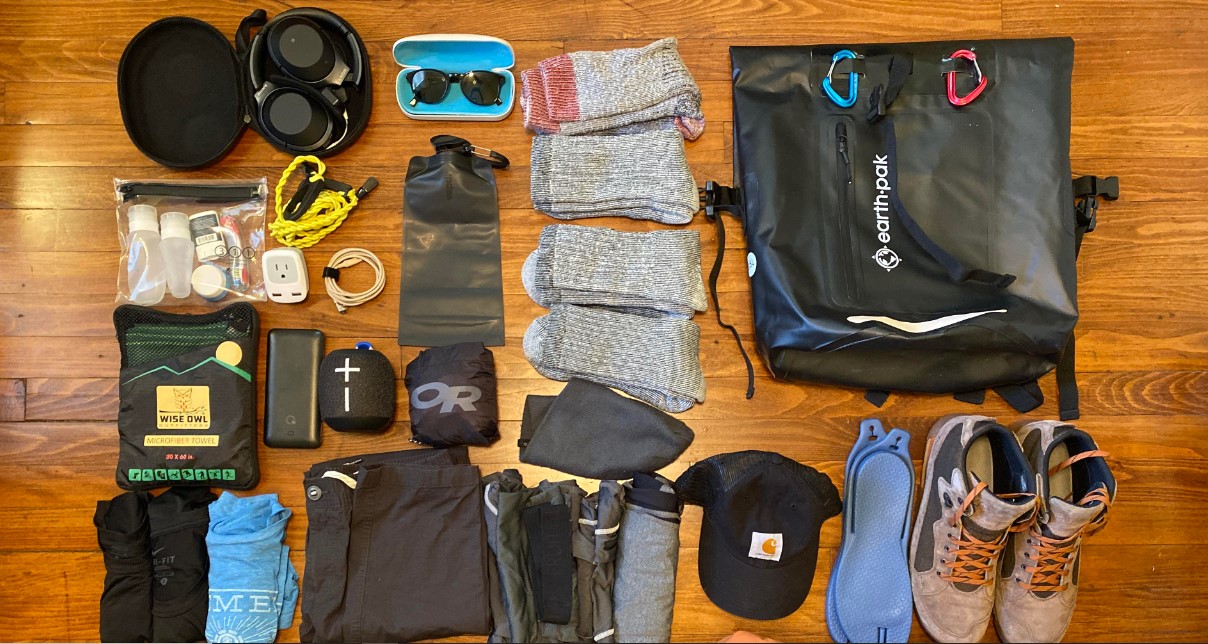
Bwindi Hiking Equipment
Bwindi Hiking Equipment
The Ultimate Guide to Bwindi Hiking Equipment: Essential Gear for an Unforgettable Trek
Introduction
Bwindi Impenetrable Forest, located in southwestern Uganda, is a world-renowned destination for hiking and gorilla trekking. This UNESCO World Heritage Site is home to diverse wildlife, breathtaking landscapes, and challenging trails that require proper preparation. Whether you’re an experienced trekker or a first-time visitor, having the right hiking equipment is crucial for a safe and enjoyable adventure.
In this comprehensive guide, we will explore the essential gear you need for hiking in Bwindi Impenetrable National Park, from clothing and footwear to navigation tools and emergency supplies.
Why Proper Hiking Equipment Matters
Hiking in Bwindi Forest is not like a casual walk in the park. The terrain is rugged, the climate can be unpredictable, and the dense vegetation makes navigation challenging. Having the right hiking gear ensures:
- Comfort – Proper clothing and footwear prevent blisters, discomfort, and fatigue.
- Safety – Essential gear like a first aid kit and navigation tools help you stay safe.
- Efficiency – Lightweight and durable equipment allows you to move easily through the forest.
- Protection – Weather-resistant clothing shields you from rain, insects, and harsh conditions.
Now, let’s dive into the must-have hiking equipment for your Bwindi adventure.
Essential Bwindi Hiking Equipment
1. Clothing and Footwear
Bwindi’s climate is humid and often rainy, so choosing the right clothing is essential.
Recommended Clothing:
- Moisture-wicking base layers – Keeps sweat away from your skin.
- Long-sleeved shirts and pants – Protects against insect bites and scratches.
- Waterproof jacket and pants – Essential for sudden rain showers.
- Fleece or insulated jacket – Keeps you warm in the early mornings and evenings.
- Gaiters – Prevents mud and debris from entering your boots.
Best Footwear for Bwindi Hiking:
- Waterproof hiking boots – Provides ankle support and traction on slippery trails.
- Comfortable hiking socks – Reduces friction and prevents blisters.
- Sandals or camp shoes – Useful for resting after a long hike.
2. Backpack and Storage
A well-organized backpack ensures you carry all your essentials without unnecessary weight.
Choosing the Right Backpack:
- Capacity: A 30-40L backpack is ideal for day hikes.
- Water-resistant material: Protects your gear from rain.
- Padded straps and hip belt: Distributes weight evenly for comfort.
Packing Essentials:
- Dry bags or zip-lock bags – Keeps electronics and documents dry.
- Lightweight rain cover – Protects your backpack from heavy rain.
3. Navigation and Communication
Bwindi’s dense forest can be disorienting, so carrying navigation tools is vital.
Essential Navigation Gear:
- GPS device or smartphone with offline maps – Helps you stay on track.
- Compass and map – A reliable backup in case of technology failure.
- Whistle – Useful for signaling in case of an emergency.
4. Hydration and Nutrition
Staying hydrated and energized is crucial for endurance during your hike.
Hydration Gear:
- Hydration bladder (2-3L) – Convenient for sipping water on the go.
- Water purification tablets or filter – Ensures safe drinking water from natural sources.
Recommended Snacks:
- Energy bars and nuts – Provides quick energy.
- Dried fruits and trail mix – Lightweight and nutritious.
- Electrolyte tablets – Helps replenish lost minerals.
5. First Aid and Emergency Supplies
Being prepared for minor injuries and emergencies can make a significant difference.
First Aid Kit Essentials:
- Bandages and antiseptic wipes – Treats cuts and blisters.
- Pain relievers and anti-inflammatory medication – Helps with muscle soreness.
- Insect repellent – Protects against mosquitoes and other insects.
- Sunscreen and lip balm – Prevents sunburn and chapped lips.
Emergency Gear:
- Headlamp or flashlight – Essential for early morning or late evening hikes.
- Multi-tool or knife – Useful for various tasks.
- Emergency blanket – Provides warmth in case of unexpected delays.
6. Photography and Documentation
Capturing memories of your Bwindi trekking experience is a must!
Photography Gear:
- Lightweight camera or smartphone – For high-quality photos.
- Waterproof case – Protects your device from rain and humidity.
- Extra batteries or power bank – Ensures you don’t run out of power.
Important Documents:
- Permits and identification – Required for gorilla trekking.
- Travel insurance details – Essential in case of emergencies.
Additional Tips for a Successful Bwindi Hike
- Train before your trip – Build endurance by hiking on uneven terrain.
- Start early – Mornings are the best time for hiking and wildlife spotting.
- Hire a local guide – They provide valuable insights and ensure safety.
- Respect wildlife – Maintain a safe distance and avoid loud noises.
- Leave no trace – Carry out all trash and minimize environmental impact.
Frequently Asked Questions (FAQ)
1. What is the best time to hike in Bwindi Impenetrable Forest?
The best time to hike in Bwindi National Park is during the dry seasons (June to August and December to February). These months offer better trail conditions and increased chances of wildlife sightings.
2. Do I need a permit for hiking in Bwindi?
Yes, if you plan to do gorilla trekking, you need a gorilla permit issued by the Uganda Wildlife Authority. General hiking may require an entry permit, so check with local authorities.
3. Is hiking in Bwindi difficult?
Hiking in Bwindi Forest can be challenging due to steep and muddy trails. However, with proper preparation and hiking gear, it is manageable for most fitness levels.
4. What should I wear for gorilla trekking in Bwindi?
Wear long-sleeved shirts, long pants, waterproof hiking boots, and a rain jacket. Also, bring gaiters and gloves to protect against mud and thorny vegetation.
5. Can I rent hiking equipment in Bwindi?
Some lodges and tour operators offer hiking gear rentals, but it’s best to bring your own well-fitted equipment for comfort and reliability.
Conclusion
Hiking in Bwindi Impenetrable Forest is a once-in-a-lifetime experience that requires careful preparation. By investing in the right hiking equipment, you ensure a safe, comfortable, and unforgettable adventure. Whether you’re trekking to see the mountain gorillas or exploring the lush trails, having the proper gear will enhance your journey.
Prepare well, respect nature, and enjoy the breathtaking beauty of Bwindi National Park!