
Can I See The Shoebill Stork in Uganda
Can I See The Shoebill Stork in Uganda
Can I See the Shoebill Stork in Uganda?
Yes, you can see the shoebill stork in Uganda, and the country is one of the best destinations in Africa for encountering this remarkable and highly sought-after bird in the wild. Uganda’s extensive freshwater wetlands provide important habitat for shoebills, while several accessible birding destinations offer opportunities to search for them.
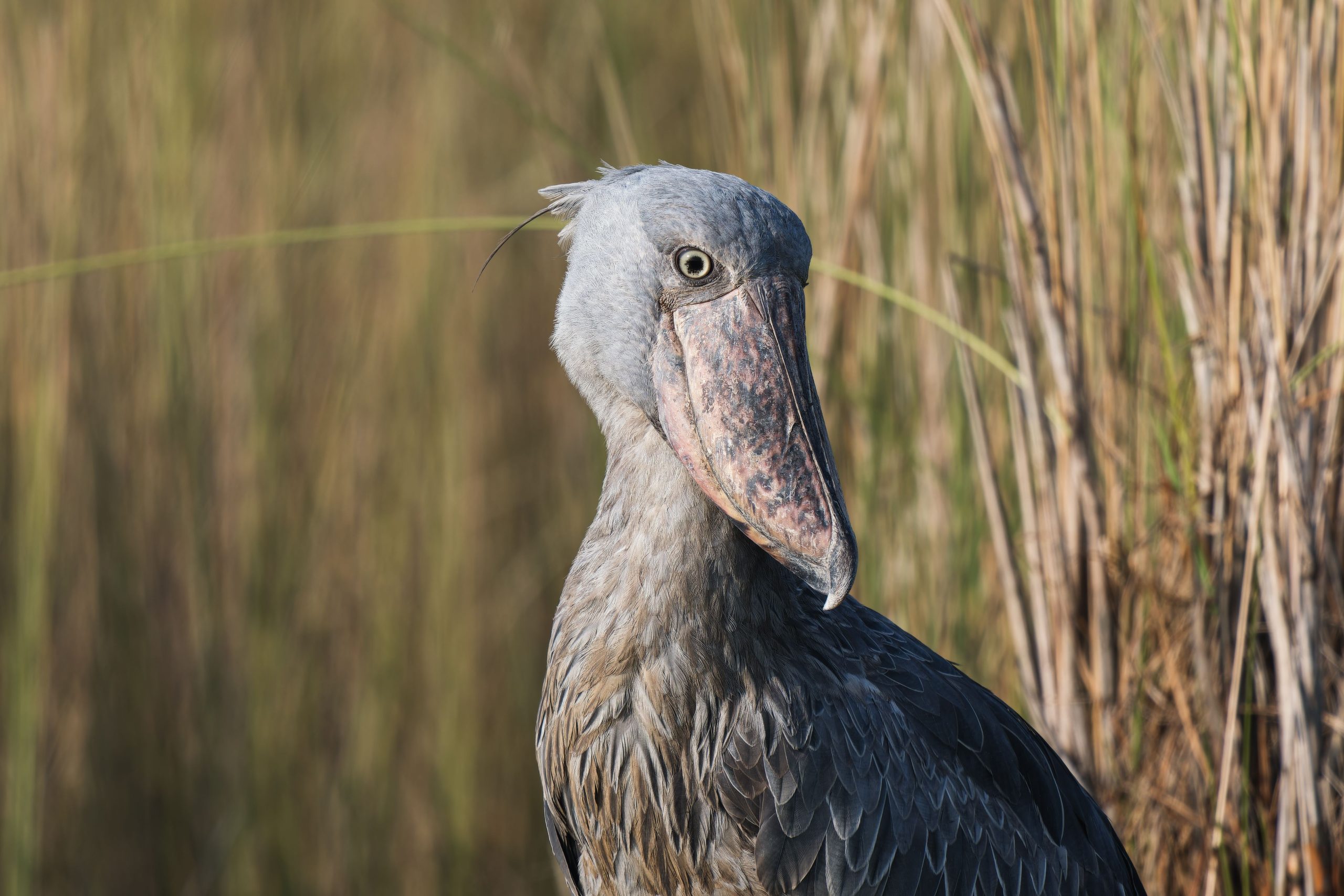
The shoebill, scientifically known as Balaeniceps rex, is famous for its enormous shoe-shaped bill, tall stature, grey plumage, and distinctive prehistoric appearance. Although it is commonly called a stork, the shoebill belongs to its own bird family and is more closely related to pelicans.
For travelers interested in bird watching, a shoebill encounter can be one of the highlights of a Uganda safari.
Where Can I See the Shoebill Stork in Uganda?
There are several places where shoebills can be found in Uganda. However, Mabamba Swamp near Entebbe is one of the most popular and accessible places to search for them.
Other areas where shoebills occur include wetlands associated with Murchison Falls National Park, Queen Elizabeth National Park, Semliki and several other wetland areas. NatureUganda has documented the species from sites including Mabamba, Murchison Falls, Queen Elizabeth, Lake Mburo, Semliki and wetlands in eastern Uganda.
1. Mabamba Swamp
Mabamba Swamp is the classic destination for travelers hoping to see a shoebill in Uganda. Located on the shores of Lake Victoria, relatively close to Entebbe, the wetland is made up of papyrus channels and shallow waters that provide suitable habitat for the species.
Visitors normally explore the swamp in a canoe with a local guide. Moving quietly through the narrow channels gives birdwatchers an opportunity to search the papyrus edges and open wetland areas for shoebills.
Mabamba is particularly convenient for travelers arriving through Entebbe International Airport because a shoebill excursion can be incorporated into the beginning or end of a Uganda safari.
2. Murchison Falls National Park
Murchison Falls National Park is another important destination for birdwatchers searching for the shoebill. Uganda Wildlife Authority specifically lists the park as an excellent birding destination where the sought-after shoebill can be seen.
A visit to Murchison Falls can therefore combine bird watching with traditional wildlife experiences. Depending on the itinerary and location, visitors may encounter elephants, hippos, crocodiles, antelopes and many other bird species while exploring the park.
3. Queen Elizabeth National Park
Queen Elizabeth National Park and its surrounding wetlands are also associated with shoebill sightings. The park is particularly attractive to travelers who want to combine bird watching with a broader wildlife safari.
A safari in this area can include game drives, boat trips and birding opportunities, making it possible to experience several different sides of Uganda’s wildlife.
4. Semliki and Other Wetlands
Shoebills also occur in other wetland habitats in Uganda. Semliki and various lakes and wetlands in eastern and central Uganda provide additional opportunities for experienced birdwatchers.
Because shoebills are wild animals and can move between suitable wetland habitats, sightings cannot be guaranteed at every location. Having a knowledgeable local birding guide can greatly improve the chances of finding one.
What Does a Shoebill Stork Look Like?
The shoebill is one of the most distinctive birds you can encounter in Africa.
It has:
- A huge shoe-shaped bill
- Long legs
- Grey-blue plumage
- A large head
- Broad wings
- A tall body
- A slow and deliberate hunting style
Its unusual appearance is one reason many travelers describe seeing a shoebill as an unforgettable wildlife experience.
What Does the Shoebill Eat?
Shoebills are wetland predators. Their diet includes fish and other aquatic animals, with lungfish being among their important prey.
They often stand motionless in shallow water or beside wetland vegetation, waiting patiently for prey to come within striking distance. When the opportunity comes, the bird can make a remarkably quick movement with its large bill.
This patient hunting behaviour is one of the fascinating things to observe during a shoebill safari.
When Is the Best Time to See a Shoebill in Uganda?
Shoebills can be encountered in Uganda throughout the year. However, early morning is generally a particularly good time for a shoebill search, especially when exploring wetlands by canoe.
Early starts also provide cooler conditions and can make bird watching more comfortable.
For travelers visiting Mabamba Swamp, it is useful to plan the excursion with enough time rather than rushing through the wetland. A patient approach is important because the bird may be standing quietly among papyrus vegetation.
Why Is Mabamba Swamp Popular for Shoebill Safaris?
Mabamba has several advantages for international travelers.
First, it is relatively accessible from Entebbe. Second, visitors can explore the wetland by canoe, allowing them to enter areas that are difficult to reach by vehicle. Third, local guides have experience searching for shoebills and other wetland birds.
The combination of accessibility, suitable habitat and guided canoe excursions has made Mabamba one of Uganda’s best-known shoebill destinations.
Can I Combine Shoebill Watching With a Uganda Safari?
Yes. A shoebill experience can easily be incorporated into a larger Uganda safari.
For example, travelers can combine shoebill viewing with:
- Murchison Falls National Park
- Queen Elizabeth National Park
- Kibale Forest
- Bwindi Impenetrable National Park
- Lake Mburo National Park
- Semliki National Park
Uganda Wildlife Authority currently lists destinations including Murchison Falls, Queen Elizabeth, Kibale, Bwindi, Lake Mburo and Semliki among the country’s national parks.
This means birdwatchers can create an itinerary that combines specialist birding with gorilla trekking, chimpanzee tracking, wildlife viewing and other experiences.
What Other Birds Can I See While Searching for Shoebills?
A shoebill safari is not only about finding one bird. Uganda’s wetlands support many other species.
Depending on the location, birdwatchers may encounter:
- African fish eagles
- Kingfishers
- Herons
- Egrets
- Jacanas
- Cormorants
- Papyrus specialists
- African skimmers
- Pelicans
- Various species of waders
Uganda is particularly attractive to birdwatchers because different habitats—from wetlands and forests to savannah and highland ecosystems—support a remarkably diverse bird population.
Is the Shoebill Endangered?
The shoebill is currently classified as Vulnerable, rather than Endangered. The species faces threats associated with wetland habitat loss and degradation, disturbance and other human pressures.
Protecting Uganda’s wetlands is therefore important not only for tourism but also for the conservation of shoebills and many other species that depend on these ecosystems.
Responsible tourism can contribute to conservation when visitors use local guides, follow wetland regulations and avoid disturbing birds.
How Do I Prepare for a Shoebill Safari?
If seeing a shoebill is one of your main goals, consider the following tips:
Start Early
Early morning excursions can provide good birding conditions and cooler temperatures.
Bring Binoculars
A good pair of binoculars makes it easier to observe birds without getting unnecessarily close.
Carry a Camera
The shoebill’s unusual appearance makes it a fantastic photographic subject. A camera with a suitable telephoto lens can be useful.
Wear Comfortable Clothing
Wetlands can be humid and muddy. Comfortable outdoor clothing and suitable footwear are recommended.
Be Patient
A shoebill may stand motionless for long periods. Avoid expecting constant movement.
Use an Experienced Guide
A knowledgeable local guide can help identify suitable habitats and other bird species while ensuring that visitors approach wildlife responsibly.
Why Choose Turkana Wildlife Safaris Uganda for a Shoebill Experience?
Turkana Wildlife Safaris Uganda can help travelers plan birding experiences focused on the shoebill as well as wider Uganda safari adventures.
A shoebill-focused trip can be designed around destinations such as Mabamba Swamp, while longer itineraries can incorporate Murchison Falls, Queen Elizabeth, Kibale, Bwindi and other wildlife destinations.
Whether you are an experienced birder or a traveler who simply wants to see one of Africa’s most unusual birds, a Uganda safari can be tailored around your interests.
The advantage of working with a local safari company is the ability to combine different experiences into one itinerary, from wetland birding and shoebill searching to gorilla trekking, chimpanzee tracking and classic game drives.
Frequently Asked Questions About Seeing Shoebills in Uganda
1. Can I see the shoebill stork in Uganda?
Yes. Uganda is one of the African countries where shoebills can be seen in the wild. Mabamba Swamp is one of the best-known destinations for searching for the species.
2. Where is the best place to see a shoebill in Uganda?
Mabamba Swamp near Entebbe is one of the most popular and accessible places to search for shoebills. Murchison Falls National Park and other wetland areas also provide opportunities.
3. Is Mabamba Swamp close to Entebbe?
Yes. Mabamba Swamp is accessible from the Entebbe area and is therefore convenient for travelers arriving in Uganda through Entebbe International Airport.
4. Can I see a shoebill during a Uganda safari?
Yes. A shoebill excursion can be incorporated into a wider Uganda safari itinerary.
5. What is the best time of day to see a shoebill?
Early morning is generally a good time for searching for shoebills, particularly during canoe excursions in wetlands.
6. Can I see shoebills throughout the year?
Shoebills occur in Uganda throughout the year, although sightings depend on the location, weather, habitat conditions and the movement of individual birds.
7. Are shoebills rare?
Shoebills are uncommon and have a restricted range. Their Vulnerable conservation status also highlights the importance of protecting their wetland habitats.
8. Can I take photographs of shoebills?
Yes. Shoebills are excellent subjects for wildlife photography. Visitors should follow their guide’s instructions and maintain a respectful distance to avoid disturbing the bird.
9. What else can I see at Mabamba Swamp?
Besides shoebills, visitors can encounter a variety of wetland birds and other wildlife. The experience is therefore valuable even while searching for the main target species.
10. Can Turkana Wildlife Safaris Uganda organize a shoebill safari?
Yes. Turkana Wildlife Safaris Uganda can help travelers plan a Uganda birding safari that includes shoebill viewing and other wildlife experiences.
Conclusion
Yes, you can see the shoebill stork in Uganda, and searching for this extraordinary wetland bird can be one of the highlights of a Uganda birding safari. Mabamba Swamp near Entebbe is a particularly popular destination, while Murchison Falls National Park and other Ugandan wetlands provide additional opportunities.
The best approach is to allow enough time, travel with an experienced birding guide, start early and remain patient. A shoebill encounter can also be combined with Uganda’s famous wildlife experiences, including gorilla trekking, chimpanzee tracking and savannah game viewing.
For a personalized shoebill birding experience and wider Uganda wildlife adventure, consider planning your trip with Turkana Wildlife Safaris Uganda.