
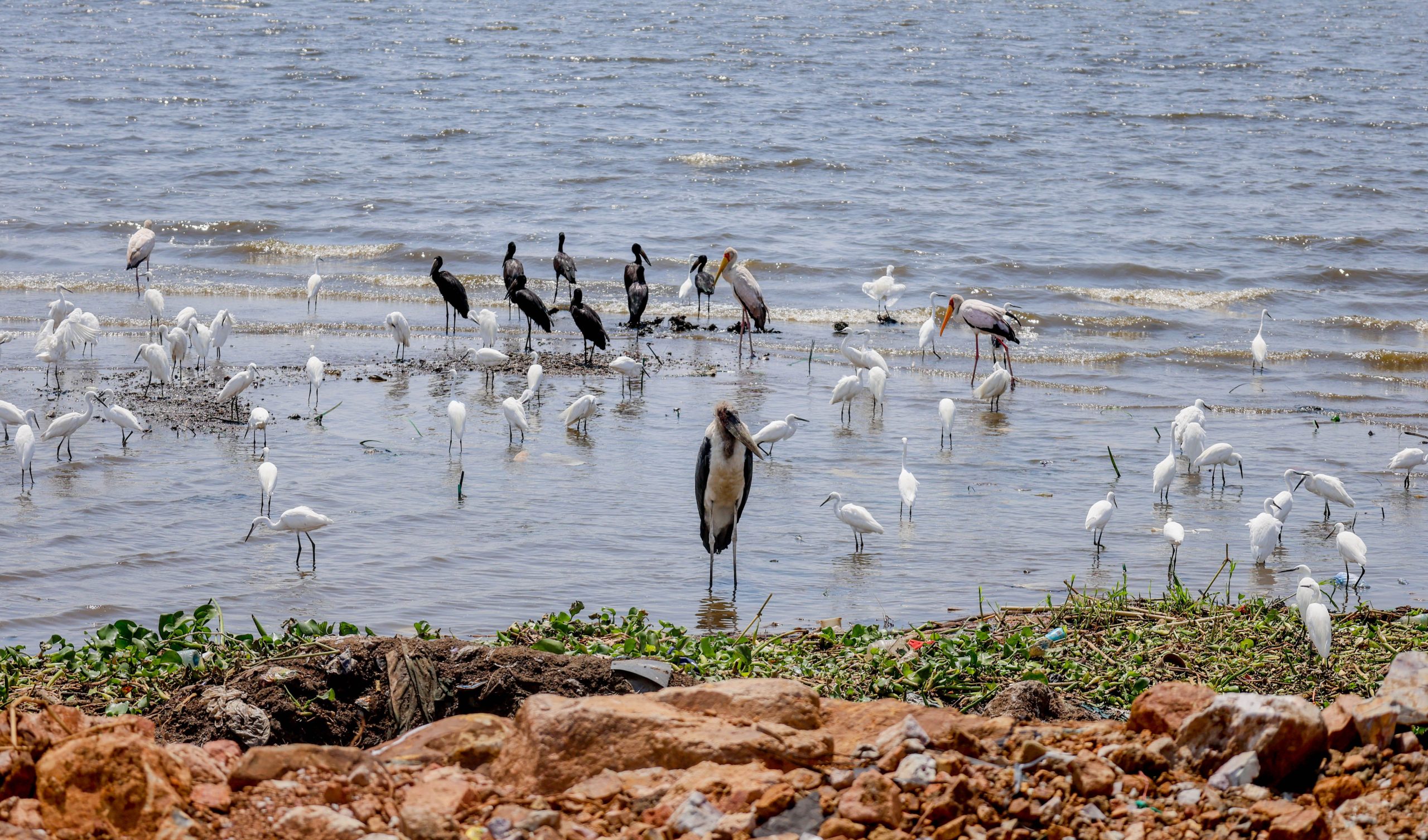
When is the best time for bird watching in Uganda
When is the best time for bird watching in Uganda
When Is the Best Time for Bird Watching in Uganda?
Uganda is one of Africa’s outstanding bird-watching destinations, with more than 1,000 recorded bird species and a remarkable variety of habitats, including forests, wetlands, savannahs, lakes, rivers, and mountains. Bird watching is possible throughout the year, but some months provide particularly favorable conditions for birders.
For most travelers, late May to September is considered the best period for bird watching in Uganda because there is generally less rainfall, making forest trails and roads easier to navigate. Food availability is also favorable for many resident birds during this period.
However, the best time depends on what you want to see. Uganda has excellent resident birdlife year-round, while particular seasons can offer opportunities to see migratory species and breeding activity.
Best Months for Bird Watching in Uganda
May to September – Excellent Overall Birding Conditions
The period from late May through September is generally regarded as one of the best times for bird watching in Uganda.
Rainfall is usually lower than during the wetter periods, which can make it easier to spend long hours in forests, wetlands and savannah areas. Roads and walking trails are also generally more manageable.
This period is especially attractive for birders interested in exploring several habitats on one safari.
December to February – Another Good Period
December, January and February can also be excellent months for bird watching.
According to the Uganda Wildlife Authority, these months can offer relatively favorable conditions, particularly because the southern parts of Uganda experience less rainfall during parts of this period.
These months can work well for travelers who want to combine bird watching with gorilla trekking, chimpanzee tracking or a traditional wildlife safari.
October to November – Wet Season Birding
October and November can bring more rainfall, but this does not mean bird watching stops.
Uganda’s resident birds remain present, and wetland and forest habitats can be particularly rewarding. The main challenge is that rain can interrupt birding activities and make some roads and trails more difficult.
For dedicated birders, the possibility of rain can be balanced by planning flexible daily schedules.
March to May – Green Season Bird Watching
March to May is generally among Uganda’s wetter periods. Bird watching remains possible, but frequent rainfall can make some forest trails and roads challenging.
For travelers who do not mind occasional rain, the green landscapes can provide a beautiful backdrop for birding. It is also worth considering specific locations because weather conditions vary across Uganda.
What About Migratory Birds?
Uganda’s birding experience is not limited to resident species. Migratory birds can add another dimension to a bird-watching safari.
The country’s wetlands, forests, grasslands and lakes provide important habitats for numerous bird species. This makes Uganda particularly attractive to birders who want to combine resident species with seasonal visitors.
If seeing particular migratory species is your priority, it is best to design the itinerary around the species and locations you specifically want to find rather than choosing a travel month based only on general weather conditions.
Best Places for Bird Watching in Uganda
Uganda offers a wide range of birding habitats, so the ideal destination depends on your target species.
1. Murchison Falls National Park
Murchison Falls is an excellent destination for bird watching and is particularly notable for the shoebill. The park also combines birding with savannah wildlife and boat-based exploration. Uganda Wildlife Authority identifies Murchison Falls among Uganda’s important birding areas.
2. Bwindi Impenetrable National Park
Bwindi is especially important for birders interested in Albertine Rift endemic species. The forest provides opportunities to search for specialized species found within this biologically rich region.
Bird watching can also be combined with gorilla trekking, creating a diverse Uganda wildlife experience.
3. Mgahinga Gorilla National Park
Mgahinga is another important location for Albertine Rift birds and offers montane forest habitats. It can be included in a wider southwestern Uganda birding itinerary.
4. Semuliki National Park
Semuliki is particularly interesting for serious birders because of its connection to the Guinea-Congo forest ecosystem. Uganda Wildlife Authority notes that it is the only place in East Africa where many Guinea-Congo regional species can be found.
5. Queen Elizabeth National Park
Queen Elizabeth National Park combines wetlands, savannah and forest habitats and supports a very large bird list. Its wetlands, including the Kazinga Channel area, provide opportunities for seeing water-associated species. UWA highlights the park as a destination with more than 600 bird species.
6. Lake Mburo National Park
Lake Mburo is another excellent birding destination, with more than 315 recorded bird species. Its combination of wetlands, papyrus, woodland and savannah creates diverse bird habitats.
7. Kidepo Valley National Park
For adventurous birders, Kidepo offers a very different environment from the forests of southwestern Uganda. The park has a bird checklist exceeding 476 species and includes species that are not found in other Ugandan national parks.
What Time of Day Is Best for Bird Watching?
Regardless of the month you visit, early morning is usually one of the most productive periods for bird watching.
Birds are often more active during the cooler morning hours, making an early start worthwhile. Late afternoon can also provide good opportunities before birds become less active as darkness approaches.
A typical birding day can therefore include:
- Early-morning bird watching
- Breakfast and a short rest
- Midday exploration or transfer
- Afternoon birding
- Evening birding for suitable species
A knowledgeable local birding guide can also make a major difference because guides know the habitats, calls and likely locations of different species.
Is Uganda Good for Bird Watching All Year Round?
Yes. Uganda can be visited for bird watching throughout the year.
The Uganda Wildlife Authority specifically notes that Uganda is good for bird watching year-round, largely because much of the country’s birding interest comes from resident species. Weather, rather than a lack of birds, is often the main seasonal consideration.
This means travelers do not necessarily need to wait for one particular month to enjoy a rewarding birding safari.
Why Choose Turkana Wildlife Safaris Uganda for a Birding Safari?
Turkana Wildlife Safaris Uganda can help travelers plan bird-watching experiences around Uganda’s diverse habitats and their personal birding interests.
A well-designed birding safari can combine several destinations, such as forests, wetlands and savannahs, allowing travelers to search for a broader range of species. Depending on the itinerary, bird watching can also be combined with gorilla trekking, chimpanzee tracking, boat cruises and traditional game drives.
For serious birders, the itinerary can be structured around target species such as the shoebill, Albertine Rift endemics, forest species, waterbirds and savannah birds.
Tips for Planning a Uganda Bird-Watching Safari
To get the most from your trip:
- Choose your target birds first. This helps determine which parks and habitats to include.
- Consider visiting between late May and September for generally favorable birding conditions.
- Start birding early in the morning when many species are active.
- Carry binoculars and a field guide or use a reliable birding app.
- Bring suitable clothing and rain protection, even during generally drier periods.
- Allow enough time in each habitat. Forest birding, for example, can require patience.
- Use an experienced birding guide who can identify birds by both sight and call.
- Keep your itinerary flexible, particularly during wetter months.
- Combine habitats rather than visiting only one location if you want a larger variety of species.
Frequently Asked Questions
1. What is the best month for bird watching in Uganda?
Late May through September is generally considered one of the best periods because of lower rainfall and favorable birding conditions.
2. Can I go bird watching in Uganda during the rainy season?
Yes. Bird watching continues throughout the rainy season. Resident birds are present year-round, although rain can affect road and trail conditions and interrupt some birding sessions.
3. What is the best time of day for bird watching?
Early morning is generally the most productive period, although afternoon and evening birding can also be rewarding depending on the species and habitat.
4. Where is the best place to go bird watching in Uganda?
There is no single location that covers every birding interest. Murchison Falls is excellent for a mixture of savannah and wetland birds and the shoebill, while Bwindi and Mgahinga are important for Albertine Rift species. Semuliki is particularly valuable for Guinea-Congo forest species.
5. Can I see the shoebill in Uganda?
Yes. Murchison Falls National Park is among the locations where birders can search for the shoebill.
6. How many bird species are found in Uganda?
Uganda has recorded more than 1,000 bird species, making it one of Africa’s important birding destinations. UWA currently describes Uganda as having more than 1,073 recorded species.
7. Is December a good month for bird watching in Uganda?
Yes. December can be a good month, particularly when weather conditions are favorable. UWA identifies December and January as useful birding months, especially because the south generally experiences less rain during this period.
8. Can bird watching be combined with a Uganda wildlife safari?
Absolutely. A Uganda itinerary can combine bird watching with game drives, boat cruises, forest walks, chimpanzee tracking and gorilla trekking.
9. Do I need a professional birding guide?
A guide is not always essential, but an experienced birding guide can significantly improve the experience by recognizing bird calls, locating difficult species and understanding local habitats.
10. How many days do I need for a Uganda birding safari?
A short trip can focus on one or two locations, while a longer itinerary allows you to explore different habitats and target a much wider range of species. Serious birders often benefit from a multi-destination itinerary.
Conclusion
The best overall time for bird watching in Uganda is generally from late May to September, when rainfall is often lower and birding conditions are favorable. December to February can also provide excellent opportunities, while the wetter months remain worthwhile for travelers interested in Uganda’s resident birds and lush natural environments.
Ultimately, the ideal time depends on your target species, preferred destinations and tolerance for rain. With more than 1,000 recorded bird species and habitats ranging from wetlands and savannahs to tropical forests and mountains, Uganda offers rewarding bird-watching opportunities throughout the year.
Turkana Wildlife Safaris Uganda can help you plan a customized bird-watching safari designed around your preferred species, destinations and travel dates.