
Can I visit Batwa communities
Can I visit Batwa communities
Can I Visit Batwa Communities? A Complete Guide to Uganda’s Forest People Experience
Introduction: A Cultural Encounter Unlike Any Other
The Batwa, often known as the “Keepers of the Forest,” are an indigenous people whose history is intertwined with the equatorial rainforests of Uganda, Rwanda, and the Democratic Republic of Congo. For centuries they lived as hunter gatherers in the forests that are today protected national parks, including Bwindi Impenetrable National Park and Mgahinga Gorilla National Park. Today, community led tourism has opened a respectful and rewarding path for travelers to meet Batwa hosts, learn from their knowledge, and support their livelihoods. The answer to the question is a clear yes: you can visit Batwa communities, and when you do so through responsible operators, the experience can be both educational and deeply human.
Who Are the Batwa People?
The Batwa are widely recognized as one of the oldest surviving indigenous groups in the Albertine Rift region. Their traditional life depended on the forest for food, medicine, shelter, and spiritual meaning. They developed remarkable skills in plant identification, honey harvesting, fire making without matches, and forest navigation. Since the early 1990s, when the forests became formal protected areas, many Batwa families have lived near the park boundaries, and cultural tourism has become an important source of income and pride for their communities.
What Happens During a Batwa Community Visit?
A well organized Batwa experience is not a staged performance. It is a community led exchange in which Batwa guides and hosts share their story, their skills, and their traditions on their own terms. While every visit is different, the following elements are common.
Forest Walks and Survival Skills
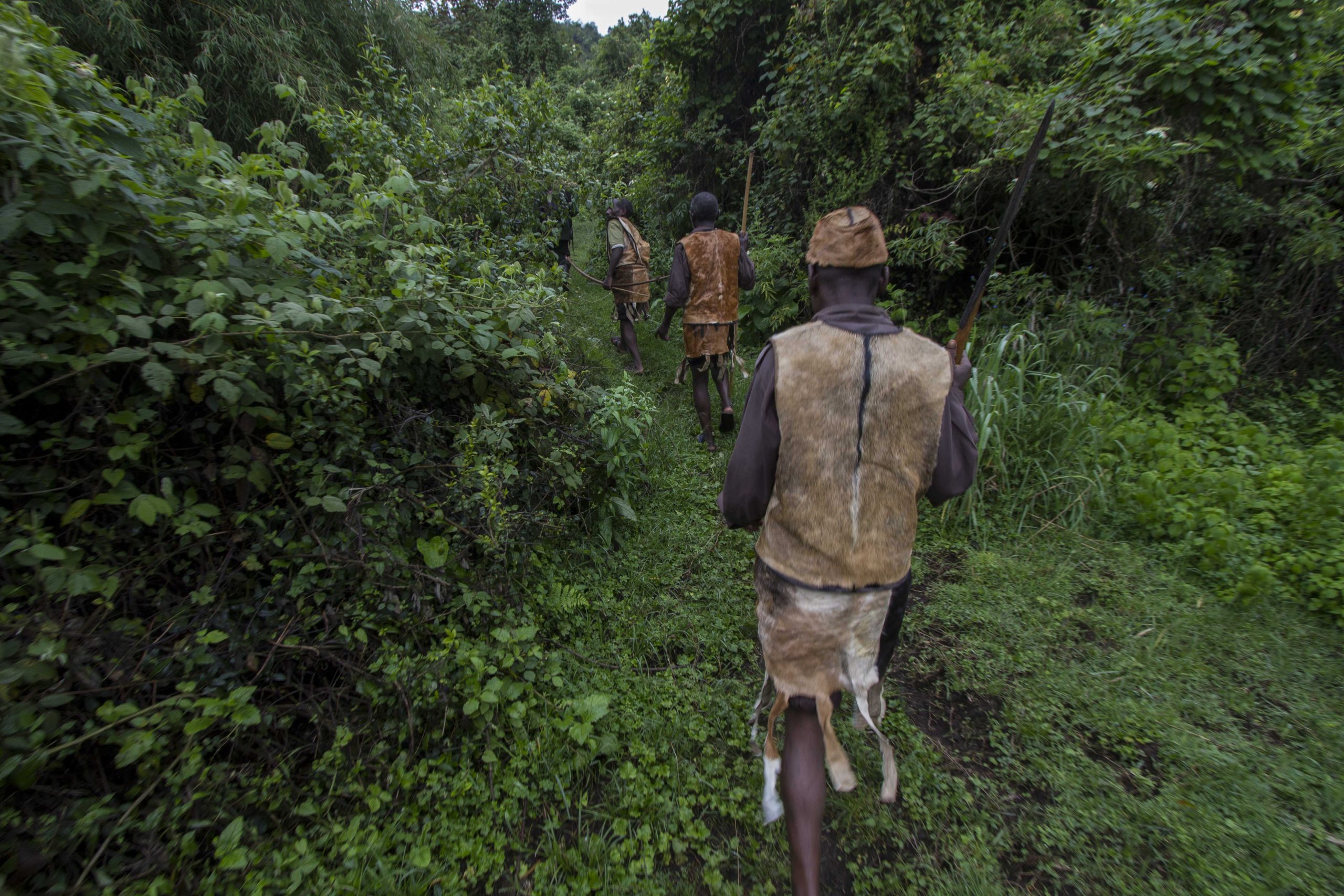
Guests are often invited to walk short forest trails with Batwa guides who explain which plants are used for medicine, which fruits and roots are edible, and how shelters were traditionally built. Demonstrations may include fire making without matches, bow and arrow practice, and honey harvesting from wild hives.
Storytelling, Music, and Dance
Storytelling is central to Batwa culture. Hosts frequently share oral history, legends, and personal memories of forest life. Music and dance are also part of the experience, not as spectacle but as a living expression of identity. Visitors may be invited to join in, and the atmosphere is typically warm and conversational.
The Batwa Trail and Cave Visits
In Mgahinga Gorilla National Park, the Batwa Trail is particularly celebrated because it includes a visit to the Garama Cave, a site of historical and spiritual importance. In Bwindi, the Batwa experience is often arranged in the Buhoma or Rushaga areas and can last from three to five hours.
Cultural Etiquette: How to Visit with Respect
A Batwa visit is a shared human experience, and the right attitude matters more than any item on a packing list. The following guidelines help ensure that your visit is respectful and positive.
-
Ask before taking photos or filming. Always seek permission from individuals and from your guide before capturing images.
-
Follow your guide’s lead. Local guides understand community norms and can help with greetings, conversation, and appropriate behavior.
-
Dress modestly. Casual, respectful clothing is appropriate for village visits and homestead settings.
-
Engage as a guest, not an observer. Introduce yourself, ask questions, and listen. Many Batwa hosts appreciate genuine curiosity and conversation.
-
Tip appropriately. If you wish to show appreciation, ask your operator how to tip guides and performers in a way that directly benefits the community.
How to Include a Batwa Visit in Your Safari
The most convenient way to visit Batwa communities is through a reputable safari operator that includes a cultural experience in the itinerary. Several packages from Turkanawildlifesafaris combine gorilla trekking with a Batwa community visit, allowing travelers to pair wildlife with cultural exchange.
Short Gorilla and Batwa Packages
The 2 Days Gorilla Trekking in Bwindi package includes a visit to the Batwa community as part of the second day, alongside gorilla trekking in Bwindi Impenetrable National Park. For travelers with a little more time, the 3 Days Gorilla Trekking and Batwa Experience dedicates an afternoon to cultural activities with the Batwa, including traditional dance and storytelling, after the gorilla trek.
Longer Safaris with Cultural Depth
The 5 Days Uganda Gorilla and Chimpanzee Trekking itinerary includes a Batwa community visit after gorilla trekking in Bwindi, before continuing to Kibale National Park for chimpanzee tracking. The 8 Days Safari Rwanda and Uganda also features a Batwa experience on the same day as gorilla trekking, with storytelling, dance, and demonstrations that offer insight into Batwa life. For travelers planning a grand East African journey, the 14 Days Best of Uganda Kenya and Tanzania includes a Batwa community visit after gorilla trekking in Bwindi before the safari continues to Kenya and Tanzania.
Frequently Asked Questions
Can I visit Batwa communities without doing gorilla trekking?
Yes. While many safari packages combine gorilla trekking with a Batwa visit, cultural experiences can also be arranged as standalone activities through local operators and community tourism initiatives. The Batwa Trail in Mgahinga and community visits near Bwindi can be booked independently of gorilla permits.
Where can I visit Batwa communities?
The most accessible and established Batwa cultural experiences are located around Bwindi Impenetrable National Park and Mgahinga Gorilla National Park in southwestern Uganda. Some community tourism initiatives also operate near Lake Bunyonyi and in Rwanda.
How long does a Batwa community visit take?
Most visits last between three and five hours. The Batwa Trail in Mgahinga is often a half day experience, while shorter community visits near Bwindi can be completed in an afternoon.
Is a Batwa visit suitable for all travelers?
Generally yes. The experience involves walking, sometimes on uneven forest trails, and participation is flexible. Travelers with limited mobility should discuss accessibility with their operator in advance so that suitable arrangements can be made.
How much does a Batwa community visit cost?
Costs vary by location and operator. Community led trails may charge a modest entrance or guide fee, while visits included in a safari package are covered within the overall tour price. It is best to confirm what is included when booking.
What should I bring?
Comfortable walking shoes, a hat, sunscreen, insect repellent, and drinking water are recommended. A small amount of cash for community tips or crafts is also useful, and a respectful, open attitude is the most important thing to bring.
Conclusion: A Visit That Stays With You
A Batwa community visit is more than a stop on an itinerary. It is an opportunity to meet the guardians of the forest, to listen to stories that have survived great change, and to support a form of tourism that puts community voices first. Whether you are trekking gorillas in Bwindi or exploring the caves of Mgahinga, adding a respectful Batwa experience can transform a wildlife safari into a journey of human connection. When you travel with intention and choose operators that prioritize community benefit, your visit becomes part of a positive story for the Batwa people and for the travelers who meet them.