
Community Conservation Projects
Community Conservation Projects
Community Conservation Projects in Uganda: Empowering People, Protecting Wildlife, and Building Sustainable Tourism
Introduction
Community conservation projects in Uganda are transforming the way wildlife and natural ecosystems are protected. Instead of conservation being managed only by government agencies, local communities are now active partners, earning income, protecting habitats, and promoting sustainable tourism.
For safari operators like Turkana Wildlife Safaris Uganda, these projects are not just conservation tools, they are powerful tourism experiences that connect travelers directly with local culture, nature, and community life around Uganda’s national parks such as Bwindi, Rwenzori, Queen Elizabeth, and Murchison Falls.
This model ensures that conservation benefits both people and wildlife, creating long-term sustainability.
What Are Community Conservation Projects?
Community conservation projects are locally led initiatives where people living near protected areas take part in:
- Protecting wildlife and forests
- Promoting eco-tourism and cultural tourism
- Managing natural resources sustainably
- Reducing human–wildlife conflict
- Supporting education and livelihoods through tourism revenue
In Uganda, these projects are especially important in biodiversity-rich regions where communities live close to national parks and forest reserves.
Studies and field initiatives show that community participation improves biodiversity protection while also creating income opportunities through tourism and conservation-linked enterprises.
Key Community Conservation Projects in Uganda
1. Community Eco-Tourism Around Rwenzori Mountains
Communities near the Rwenzori Mountains National Park run eco-tourism walks, cultural experiences, and homestays. Visitors can:
- Hike foothill trails with local guides
- Visit traditional homes
- Experience storytelling, food, and cultural performances
- Support schools and local livelihoods
These initiatives directly link tourism income to community development and conservation awareness.
2. Forest Conservation Initiatives (Budongo & Albertine Rift)
In western Uganda, community forests such as those in the Budongo landscape are managed by local land associations.
These projects:
- Protect biodiversity-rich forests
- Support sustainable harvesting of resources
- Promote climate resilience and reforestation
- Encourage community-based governance of land
One example is the Ongo Community Forest, where locals actively manage and protect forest ecosystems while benefiting from conservation programs.
3. Bwindi and Mgahinga Community Tourism Projects
Around Bwindi Impenetrable National Park, communities participate in:
- Cultural village tours
- Handicraft production
- Forest conservation education
- Alternative livelihoods to reduce pressure on the forest
These initiatives are supported by conservation organizations and tourism operators to reduce dependence on park resources while boosting income.
4. Cultural Conservation Villages
Projects like conservation villages in southwestern Uganda combine:
- Agro-tourism (coffee, banana, tea farming tours)
- Cultural dances and storytelling
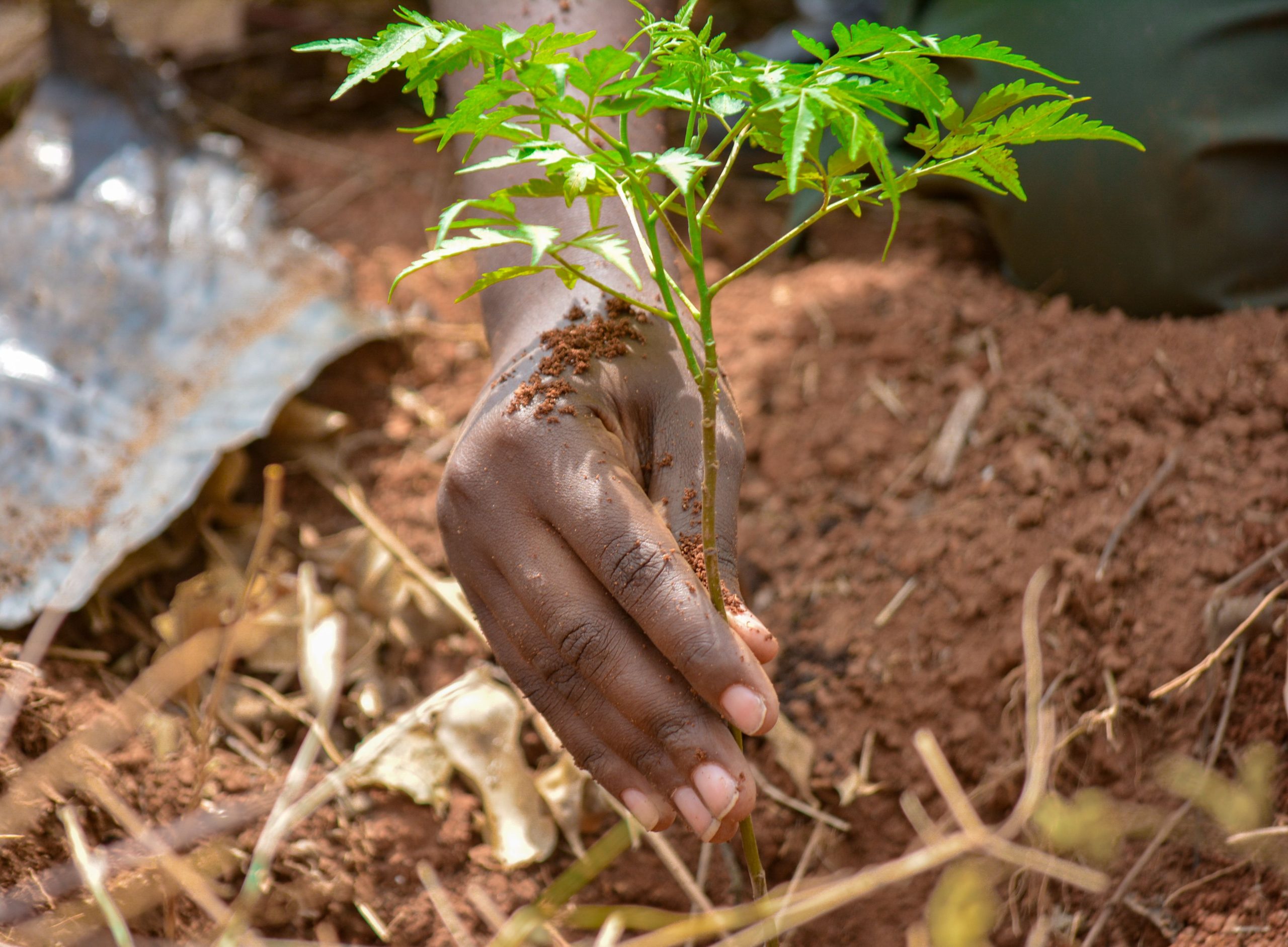
- Tree planting activities
- Local guide training
These experiences help visitors understand rural life while directly funding conservation efforts and community services.
Role of Turkana Wildlife Safaris Uganda in Community Conservation
Turkana Wildlife Safaris Uganda plays a key role in connecting travelers to community conservation projects by:
1. Promoting Responsible Tourism
Encouraging travelers to visit community-run tourism sites instead of only traditional game drives.
2. Supporting Local Guides
Working with trained community guides who share authentic knowledge about wildlife, culture, and conservation.
3. Linking Tourism to Conservation
Ensuring that part of tourism income supports:
- Wildlife protection
- Education projects
- Community development programs
4. Cultural Immersion Experiences
Offering visitors:
- Village walks
- Traditional performances
- Farm visits
- Conservation storytelling sessions
5. Reducing Human–Wildlife Conflict
Helping communities benefit economically from wildlife, reducing negative interactions with protected areas.
Benefits of Community Conservation Projects
1. Wildlife Protection
Local communities act as guardians of forests and wildlife habitats.
2. Income Generation
Tourism creates jobs for:
- Guides
- Crafters
- Farmers
- Homestay hosts
3. Education and Awareness
Communities gain knowledge about conservation and sustainable land use.
4. Cultural Preservation
Traditional practices, music, and heritage are preserved and shared with visitors.
5. Reduced Poaching and Deforestation
When communities benefit economically, they are more likely to protect natural resources.
Challenges Facing Community Conservation
- Limited funding and infrastructure
- Human–wildlife conflict (crop damage, livestock loss)
- Unequal distribution of tourism benefits
- Climate change impacts on ecosystems
- Need for more training in tourism management
Despite these challenges, community conservation remains one of the most effective conservation models in Uganda.
How Tourists Can Support Community Conservation
Visitors traveling with Turkana Wildlife Safaris Uganda can support by:
- Choosing community-based tourism experiences
- Buying locally made crafts
- Respecting cultural traditions
- Following eco-tourism guidelines
- Hiring local guides and services
Every visit contributes directly to conservation and livelihoods.
Frequently Asked Questions (FAQs)
1. What is community conservation in Uganda?
It is a conservation model where local communities help protect wildlife and ecosystems while benefiting from tourism and sustainable resource use.
2. Why is community conservation important?
It reduces poaching, protects habitats, and ensures local people benefit from wildlife tourism.
3. Which areas in Uganda have community conservation projects?
Rwenzori Mountains, Bwindi Impenetrable Forest, Queen Elizabeth, Murchison Falls, and Albertine Rift regions.
4. How does tourism support community conservation?
Tourism generates income for local people, which encourages them to protect wildlife and forests.
5. What experiences can tourists enjoy?
Cultural visits, village walks, farming experiences, forest walks, handicrafts, and guided nature tours.
6. How does Turkana Wildlife Safaris Uganda support these projects?
By connecting travelers to community-based tourism experiences and ensuring that tourism benefits local people directly.
Conclusion
Community conservation projects in Uganda represent a powerful shift in wildlife protection—one that includes local people as equal partners in conservation. These initiatives not only protect biodiversity but also improve livelihoods, preserve culture, and strengthen sustainable tourism.
With support from operators like Turkana Wildlife Safaris Uganda, travelers can go beyond traditional safaris and become part of meaningful conservation stories that benefit both people and nature.
Uganda’s future wildlife success depends on one key idea: when communities benefit, conservation thrives.