
Rwenzori Hiking Difficulty
Rwenzori Hiking Difficulty
Rwenzori Hiking Difficulty: What to Expect on Uganda’s Legendary Mountains


But how difficult is hiking in the Rwenzoris really? This guide breaks down the terrain, fitness requirements, altitude challenges, and what makes the trek both demanding and unforgettable. It is prepared with insights from Turkana Wildlife Safaris Uganda, experts in East African adventure experiences.
Understanding Rwenzori Hiking Difficulty
Hiking in the Rwenzori Mountains is generally classified as moderate to extremely difficult, depending on the route and summit objective.
1. Terrain Difficulty
The trails are not simple walking paths. Expect:
- Steep ascents and descents
- Thick rainforest with slippery mud
- Wooden boardwalks over swamps
- Rocky alpine ridges near the peaks
Lower sections are muddy and wet year-round due to heavy rainfall, while higher zones involve scrambling over boulders and ice near peaks like Margherita.
2. Weather Conditions
The Rwenzoris are famous for unpredictable weather:
- Heavy rainfall almost daily in lower zones
- Cold temperatures near glaciers
- Fog and low visibility common
- Wet gear is unavoidable
This makes hiking physically exhausting even for experienced trekkers.
3. Altitude Challenges
The mountain range rises above 5,100 meters, with Margherita Peak on Mount Stanley being the highest point.
Altitude-related issues include:
- Headaches
- Shortness of breath
- Fatigue
- Risk of acute mountain sickness
Proper acclimatization is essential for summit attempts.
4. Physical Fitness Requirement
To successfully complete a Rwenzori trek, you should have:
- Good cardiovascular fitness
- Experience with multi-day hiking
- Strong legs for steep climbs
- Mental endurance for long, wet days
Even the standard 7–8 day trek requires consistent effort.
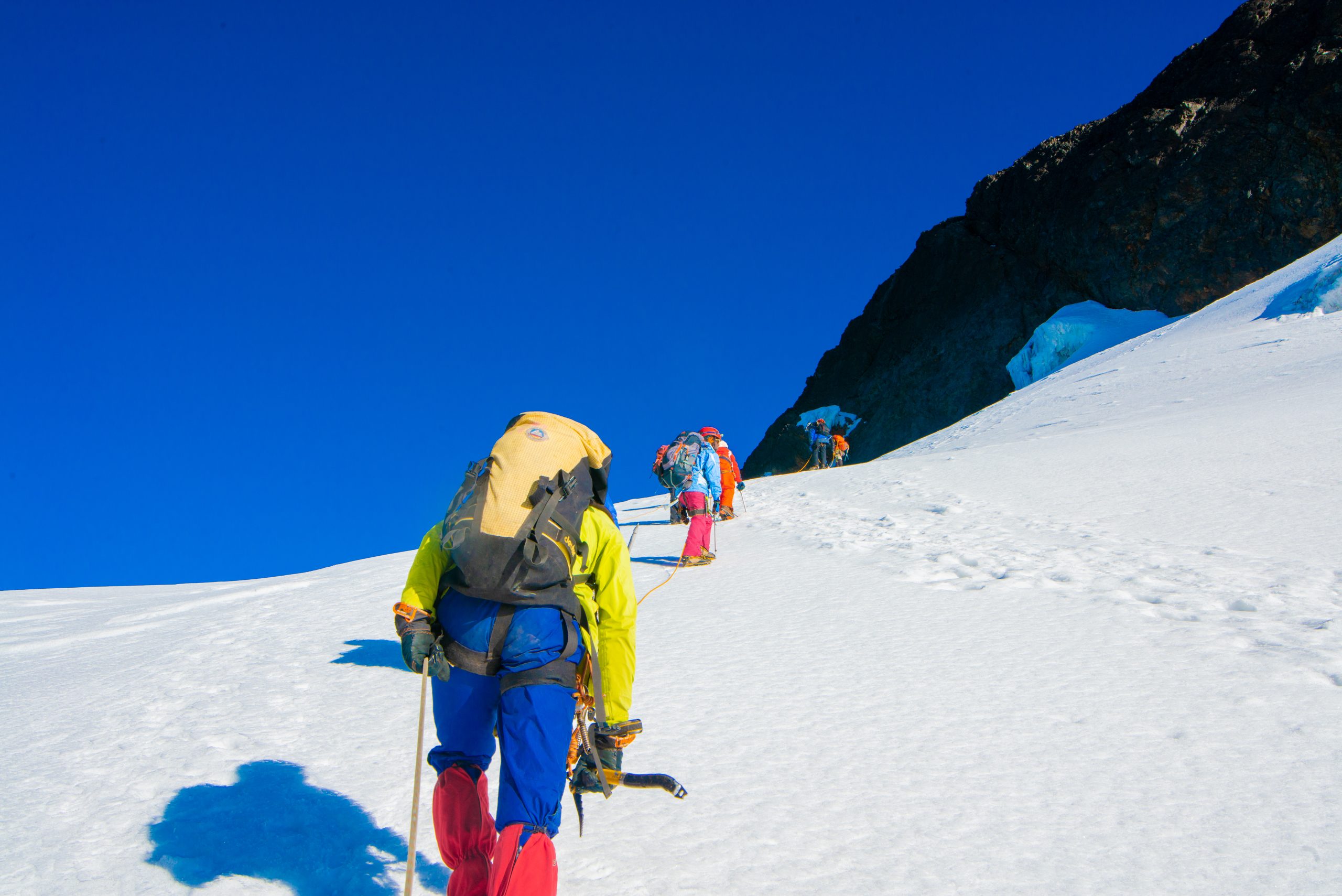
5. Technical Difficulty
While most routes are non-technical, summit attempts (like Margherita Peak) may involve:
- Glacier walking
- Rope use
- Crampons and ice axes
- Guided climbing support
This is where the trek becomes truly alpine in nature.
Rwenzori Hiking Routes and Difficulty Levels
1. Central Circuit Trail (Most Popular)
- Duration: 6–9 days
- Difficulty: Hard
- Best for: Experienced hikers
2. Kilembe Trail
- Duration: 6–8 days
- Difficulty: Moderate to hard
- Best for: Scenic variety and gradual ascent
3. Short Nature Walks
- Duration: 1–3 days
- Difficulty: Easy to moderate
- Best for: Beginners and cultural visitors
Best Time to Hike the Rwenzori Mountains
The best hiking seasons are:
- December to February
- June to August
These periods offer slightly drier trails, though rain is still common.
Tips for Handling Rwenzori Hiking Difficulty
- Train at least 6–8 weeks before trekking
- Break in waterproof boots
- Pack quality rain gear and gloves
- Use layered clothing for temperature changes
- Hydrate regularly to reduce altitude effects
- Move slowly and consistently at high altitude
Why the Difficulty is Worth It
Despite the challenges, the Rwenzori experience is unmatched:
- Snow-capped equatorial peaks
- Giant lobelias and unique alpine flora
- Remote wilderness silence
- Rare wildlife sightings
- One of Africa’s greatest trekking achievements
Few mountains in the world combine such raw beauty and demanding terrain.
Hiking the Rwenzoris with Turkana Wildlife Safaris Uganda
Turkana Wildlife Safaris Uganda offers expertly guided Rwenzori trekking packages designed for safety, comfort, and success. Their experienced guides help hikers manage altitude, navigate difficult terrain, and fully enjoy the journey from rainforest base to icy summits.
Whether you are a first-time trekker or an experienced mountaineer, they tailor the experience to match your fitness level and adventure goals.
Frequently Asked Questions (FAQs)
1. How hard is hiking the Rwenzori Mountains?
Rwenzori hiking ranges from moderate to extremely difficult, especially on multi-day treks and summit climbs.
2. Do I need climbing experience?
No technical climbing experience is required for most routes, but summit attempts like Margherita Peak require basic mountaineering support.
3. What is the biggest challenge in the Rwenzoris?
The combination of muddy terrain, heavy rain, and high altitude makes it physically demanding.
4. How long does it take to hike the Rwenzori Mountains?
Most treks take between 6 and 9 days depending on the route.
5. Can beginners hike the Rwenzoris?
Yes, but beginners should choose shorter trails or go with a guided tour for support and safety.
6. Is altitude sickness common?
Yes, especially above 3,000 meters. Proper acclimatization and pacing help reduce risk.
7. What should I pack for the hike?
Waterproof boots, rain jacket, warm layers, gloves, hiking poles, and a sleeping bag suitable for cold conditions.
Conclusion
Hiking the Rwenzori Mountains is not just a trek, it is a full wilderness expedition. The difficulty is real, but so is the reward. From muddy rainforest paths to icy alpine summits, every step challenges your endurance and rewards you with unforgettable scenery.
With proper preparation and support from experienced operators like Turkana Wildlife Safaris Uganda, the Rwenzori experience becomes both achievable and life-changing.
If you are seeking one of Africa’s most demanding yet beautiful hiking adventures, the Rwenzoris are waiting.