
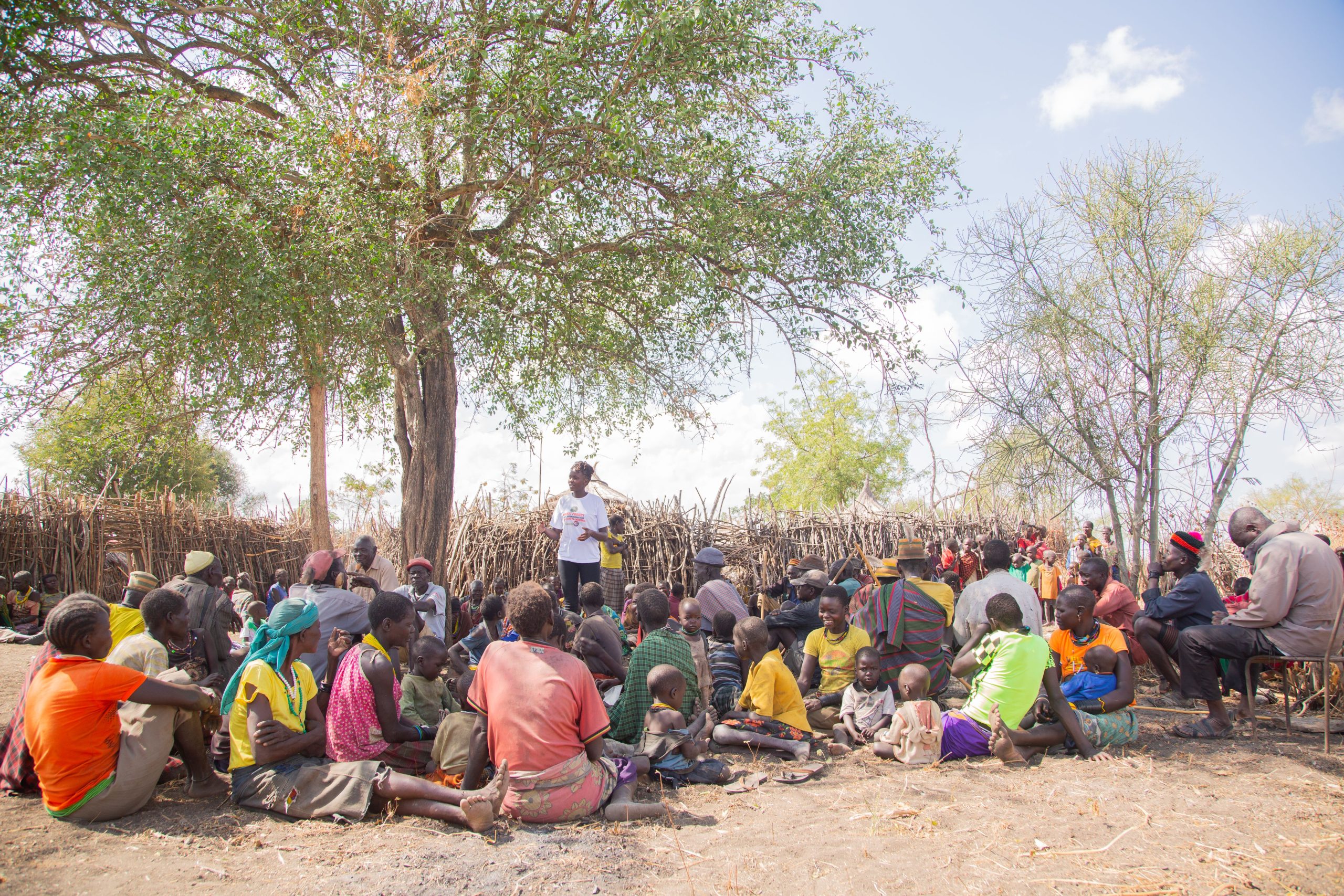
Community Projects
Community Projects
Community Projects in Uganda: Supporting Local Communities Through Tourism with Turkana Wildlife Safaris Uganda
Uganda is famous for its incredible wildlife, mountain gorillas, chimpanzees, beautiful landscapes, and diverse cultures. But beyond the national parks and wildlife experiences, Uganda offers another important part of the travel experience: community projects.
Community projects allow visitors to discover the lives, traditions, skills, and daily activities of local people while contributing to sustainable development. Through responsible tourism, travelers can support education, conservation, healthcare, women’s initiatives, youth programs, handicrafts, agriculture, and other community-led activities.
At Turkana Wildlife Safaris Uganda, we believe that tourism should create meaningful benefits for both travelers and the communities they visit. Our community-based experiences give visitors an opportunity to connect with Ugandan communities while contributing to local livelihoods and cultural preservation.
What Are Community Projects in Uganda?
Community projects are initiatives designed to improve the social, economic, cultural, or environmental well-being of local communities.
In tourism, community projects can include cultural visits, community walks, traditional performances, craft-making demonstrations, village experiences, local farming activities, conservation initiatives, and community enterprises.
Community tourism in Uganda can also involve locally provided tours, workshops, performances, dining experiences, homestays, and accommodation. These activities can create employment for local guides, cooks, drivers, artists, craft makers, managers, and other community members.
When properly managed, tourism can therefore become more than a holiday. It can become a way of supporting people and protecting the places and cultures that make Uganda special.
Why Are Community Projects Important?
Community projects play an important role in creating a more inclusive and sustainable tourism industry.
Many communities living close to Uganda’s protected areas depend on natural resources and agriculture for their livelihoods. Creating alternative income opportunities through tourism can provide an incentive to protect wildlife, forests, cultural heritage, and other natural resources.
Research on community-based tourism in Uganda has found that community participation can contribute to biodiversity conservation, cultural heritage management, and improved community welfare.
Some community tourism income can also contribute to initiatives such as education, healthcare, conservation, environmental restoration, and other community priorities, depending on how individual projects are organized.
Community Tourism and Wildlife Conservation
Wildlife conservation and community development are closely connected.
Many of Uganda’s most important wildlife destinations are surrounded by communities. For conservation to succeed in the long term, local people need opportunities to benefit from tourism and participate in protecting natural resources.
Community tourism can help create a positive relationship between visitors, local communities, and protected areas. When people have opportunities to earn income from tourism, they may have stronger incentives to protect the environment and wildlife that attract visitors.
Community-based tourism has been identified as one approach that can encourage communities to participate in biodiversity protection and collaborative resource management.
For travelers, this means that a safari can have an impact beyond the national park itself.
Types of Community Projects Travelers Can Experience in Uganda
1. Cultural Community Visits
Cultural visits provide travelers with an opportunity to meet local people and learn about traditional lifestyles.
Depending on the destination, visitors may learn about traditional homes, food preparation, music, dance, storytelling, ceremonies, crafts, agriculture, and local history.
These experiences provide a more personal understanding of Uganda beyond conventional wildlife viewing.
2. Traditional Craft Projects
Uganda has a rich tradition of handmade crafts.
Visitors can meet local artisans who produce baskets, mats, jewelry, pottery, carvings, textiles, and other handmade products.
Purchasing authentic locally produced crafts can provide direct economic support to artisans and small businesses.
Travelers should always ask permission before photographing people, workshops, homes, or cultural activities.
3. Women’s Community Projects
Women play an important role in many rural communities and tourism enterprises.
Community tourism can provide opportunities for women to participate in handicraft production, food preparation, accommodation, guiding, agriculture, cultural performances, and small businesses.
Supporting legitimate women-led enterprises can help diversify household income and strengthen local entrepreneurship.
4. Youth and Education Initiatives
Education is an important part of long-term community development.
Some tourism-related community initiatives support schools, vocational skills, environmental education, or youth entrepreneurship.
Travelers interested in supporting education projects should work through reputable organizations or tour operators rather than giving money directly to children.
5. Conservation Community Projects
Community conservation initiatives can involve local people in protecting wildlife and natural habitats.
Activities may include environmental education, habitat restoration, tree planting, sustainable resource use, community awareness programs, and conservation-related enterprises.
These initiatives help demonstrate that protecting Uganda’s natural environment can also create opportunities for local people.
6. Community Agriculture Experiences
Agriculture is central to the lives of many Ugandan communities.
Travelers can sometimes visit farms and learn about locally grown crops, traditional farming methods, food production, and rural livelihoods.
These experiences provide an opportunity to understand where local food comes from and how agriculture supports households.
7. Community Homestays
A community homestay can provide a particularly immersive travel experience.
Instead of simply passing through a village, travelers may spend time with a local host family and learn about everyday life, food, traditions, and customs.
Homestays should always be organized with respect for the privacy, dignity, and wishes of host families.
Community Projects Around Uganda’s Wildlife Destinations
Community tourism can complement wildlife safaris in several parts of Uganda.
Travelers visiting destinations such as Bwindi Impenetrable National Park, Kibale National Park, Queen Elizabeth National Park, Murchison Falls National Park, Kidepo Valley National Park, and other wildlife areas can look for opportunities to connect with surrounding communities.
For example, community-based tourism around conservation areas can offer cultural experiences alongside wildlife activities.
The combination of wildlife and community experiences allows travelers to understand both the natural and human sides of Uganda.
Community Projects Around Bwindi
The communities around Bwindi are particularly important to the tourism experience in southwestern Uganda.
After gorilla trekking, travelers can participate in community and cultural experiences that provide opportunities to meet local people, learn traditional skills, enjoy cultural performances, and purchase locally made products.
Community-based tourism around protected areas such as Bwindi has also been studied as a way of connecting conservation with local livelihoods.
A visit to the region therefore does not have to end when the gorilla trek is finished. Travelers can extend their experience by discovering the people and cultures surrounding the forest.
Community Experiences Around Kibale
Kibale National Park is widely known for chimpanzee tracking and primate experiences.
However, the surrounding communities provide another dimension to a visit.
Travelers can combine chimpanzee experiences with community walks, cultural activities, traditional food, local crafts, and other community-based experiences.
This combination provides a broader understanding of the landscape and the people who live around one of Uganda’s important forest ecosystems.
Community Experiences Around Queen Elizabeth National Park
Queen Elizabeth National Park is one of Uganda’s most popular wildlife destinations.
A safari in the park can be combined with community experiences that introduce visitors to local livelihoods, culture, crafts, agriculture, and conservation activities.
Studies of community-based tourism around Queen Elizabeth and Kibale have highlighted the potential of tourism to support both biodiversity conservation and community welfare.
Community Experiences in Northern and Northeastern Uganda
Uganda’s northern and northeastern regions offer travelers opportunities to experience cultures and landscapes that are very different from the country’s southwestern tourism circuit.
For travelers exploring destinations such as Kidepo Valley National Park and the Karamoja region, community experiences can provide opportunities to learn about traditional lifestyles, pastoral communities, local crafts, music, dance, food, and cultural heritage.
These experiences should always be conducted respectfully and with the involvement of local community members.
How Tourism Supports Local Communities
Responsible tourism can support communities in several ways.
Creating Employment
Tourism creates opportunities for local guides, drivers, cooks, accommodation providers, artisans, performers, farmers, and other service providers.
Supporting Small Businesses
Travelers spend money on accommodation, food, crafts, transportation, cultural experiences, and other services.
When these services are locally owned or managed, a larger share of tourism spending can remain within the community.
Preserving Culture
Traditional knowledge, music, dance, crafts, food, storytelling, and other cultural practices can be maintained when communities have opportunities to share them in respectful ways.
Supporting Conservation
Community tourism can connect economic benefits with environmental protection and encourage local participation in conservation.
Encouraging Sustainable Development
Community tourism can diversify local livelihoods and create economic opportunities beyond traditional activities.
Why Choose Turkana Wildlife Safaris Uganda for Community Experiences?
Turkana Wildlife Safaris Uganda combines wildlife adventures with opportunities to discover Uganda’s communities and cultural heritage.
Our approach is centered on creating meaningful travel experiences that allow visitors to see Uganda from more than one perspective.
Instead of simply visiting a destination, travelers can have the opportunity to meet local people, learn about their traditions, support local enterprises, and understand the relationship between communities, wildlife, and conservation.
Whether you are planning a wildlife safari, gorilla trekking adventure, chimpanzee tracking experience, cultural tour, or tailor-made Uganda holiday, community experiences can be incorporated into your itinerary.
How Travelers Can Support Community Projects Responsibly
There are several simple ways travelers can make a positive contribution.
Buy locally made products: Choose authentic crafts made by local artisans.
Use local services: Where appropriate, choose community-owned guides, accommodations, restaurants, and experiences.
Respect local culture: Ask permission before taking photographs and follow local customs.
Avoid giving money directly to children: Instead, support established community or education initiatives.
Reduce plastic waste: Carry reusable water bottles and avoid unnecessary single-use plastics.
Follow conservation rules: Never disturb wildlife or remove plants, rocks, cultural objects, or other natural resources.
Pay fair prices: Responsible tourism should benefit both visitors and service providers.
Listen and learn: Community tourism is not simply about taking photographs. It is an opportunity to understand another way of life.
Responsible Community Tourism
Community tourism works best when local people are active participants rather than simply being treated as attractions.
Travelers should look for experiences where communities have meaningful involvement in decision-making and benefit from tourism.
It is also important to avoid turning poverty into entertainment. Responsible community tourism should emphasize dignity, consent, cultural exchange, and mutual respect.
The goal is not simply to show visitors how other people live. The goal is to create a meaningful exchange between hosts and guests.
Planning a Community Tourism Experience with Turkana Wildlife Safaris Uganda
A community experience can be added to many Uganda safari itineraries.
For example, a traveler could combine:
- Gorilla trekking and a community cultural experience
- Chimpanzee tracking and a village experience
- Queen Elizabeth wildlife safari and community tourism
- Kidepo wildlife safari and cultural experiences
- Uganda wildlife photography and community encounters
- Birdwatching with community conservation activities
- A cultural tour combined with national park safaris
At Turkana Wildlife Safaris Uganda, itineraries can be designed around the interests, travel time, budget, and preferred destinations of individual travelers.
Frequently Asked Questions About Community Projects in Uganda
1. What are community projects in Uganda?
Community projects are initiatives that support local communities through activities such as education, conservation, cultural preservation, agriculture, crafts, women’s enterprises, youth programs, and tourism.
2. Can tourists visit community projects in Uganda?
Yes. Many community-based tourism experiences welcome visitors through cultural tours, craft experiences, village walks, workshops, performances, homestays, and conservation activities.
3. How does community tourism benefit local people?
Community tourism can create employment, generate income for local businesses, support cultural preservation, and contribute to community development and conservation initiatives.
4. Can I combine a community project with a Uganda safari?
Yes. Community experiences can often be combined with wildlife safaris, gorilla trekking, chimpanzee tracking, birdwatching, cultural tours, and other Uganda adventures.
5. Can community tourism help conservation?
Yes. When communities receive meaningful benefits from tourism and participate in conservation, tourism can help create incentives for protecting biodiversity and natural resources.
6. Can I buy crafts directly from local communities?
Yes. Purchasing locally made crafts is one way travelers can support artisans and small businesses. Travelers should look for genuine locally produced products and pay fair prices.
7. Is community tourism suitable for families?
Yes. Many community experiences can be suitable for families, although the activities should be selected according to the children’s ages and the nature of the community visit.
8. How can I book a community tourism experience in Uganda?
You can contact Turkana Wildlife Safaris Uganda to discuss your interests and include suitable community experiences in your Uganda safari itinerary.
9. Is community tourism only about culture?
No. Community tourism can include cultural experiences, conservation, agriculture, handicrafts, education initiatives, local enterprises, nature activities, and other community-led experiences.
10. Why should I include a community experience in my Uganda safari?
A community experience gives you a chance to go beyond wildlife viewing and understand the people, traditions, livelihoods, and cultures that make Uganda unique. It can also help direct tourism benefits toward local communities.
Conclusion: Travel with Purpose in Uganda
A Uganda safari can be much more than seeing lions, elephants, gorillas, chimpanzees, giraffes, and other wildlife.
It can also be about meeting people, learning about cultures, supporting local businesses, protecting natural resources, and contributing to the communities that make these destinations special.
Community projects in Uganda provide travelers with an opportunity to travel more responsibly while experiencing authentic local life.
From cultural experiences and traditional crafts to conservation initiatives and community enterprises, these projects can add meaning and depth to a Uganda safari.
With Turkana Wildlife Safaris Uganda, travelers can combine Uganda’s extraordinary wildlife and landscapes with carefully selected community experiences, creating a journey that connects wildlife, culture, conservation, and local communities.
Travel to Uganda. Meet its people. Experience its culture. Discover its wildlife. Support its communities. Travel with purpose with Turkana Wildlife Safaris Uganda.