
Conservation Initiatives Uganda
Conservation Initiatives Uganda
Conservation Initiatives Uganda: Protecting Nature for Future Generations
Introduction
Uganda is often referred to as the “Pearl of Africa” because of its spectacular landscapes, diverse ecosystems, and abundant wildlife. From the misty forests of Bwindi to the vast savannahs of Queen Elizabeth National Park and Kidepo Valley National Park, Uganda’s natural resources are vital for tourism, ecological balance, and community livelihoods.
However, wildlife and natural habitats face numerous threats, including poaching, habitat destruction, climate change, human wildlife conflict, and unsustainable land use practices. To address these challenges, Uganda has implemented a variety of conservation initiatives aimed at protecting biodiversity while promoting sustainable development.
Major Conservation Initiatives in Uganda
1. Wildlife Conservation Programs
Wildlife conservation remains one of Uganda’s top environmental priorities. The Uganda Wildlife Authority (UWA) works closely with conservation organizations and local communities to protect endangered species and their habitats.
Key efforts include:
- Anti-poaching patrols and law enforcement.
- Wildlife monitoring and research.
- Habitat restoration projects.
- Human-wildlife conflict mitigation.
- Wildlife rescue and rehabilitation programs.
These efforts have contributed significantly to the recovery of several species, including rhinos, which have recently been reintroduced to Kidepo Valley National Park after decades of absence.
2. Gorilla Conservation
Uganda is home to more than half of the world’s remaining mountain gorillas, primarily found in Bwindi Impenetrable National Park and Mgahinga Gorilla National Park.
Conservation strategies include:
- Regulated gorilla trekking tourism.
- Veterinary interventions.
- Community conservation education.
- Revenue-sharing programs.
- Habitat protection and monitoring.
These initiatives have helped stabilize and increase gorilla populations while generating revenue that benefits local communities.
3. Community-Based Conservation
Community involvement has become a cornerstone of successful conservation in Uganda. Community conservancies empower local people to participate directly in wildlife management and benefit from conservation activities.
Benefits include:
- Employment opportunities.
- Revenue sharing from tourism.
- Sustainable agriculture projects.
- Beekeeping and handicraft enterprises.
- Environmental education programs.
Organizations such as Umoja Wildlife Conservancies support community-led conservation efforts outside protected areas, helping communities protect wildlife while improving livelihoods.
4. Forest Conservation and Reforestation
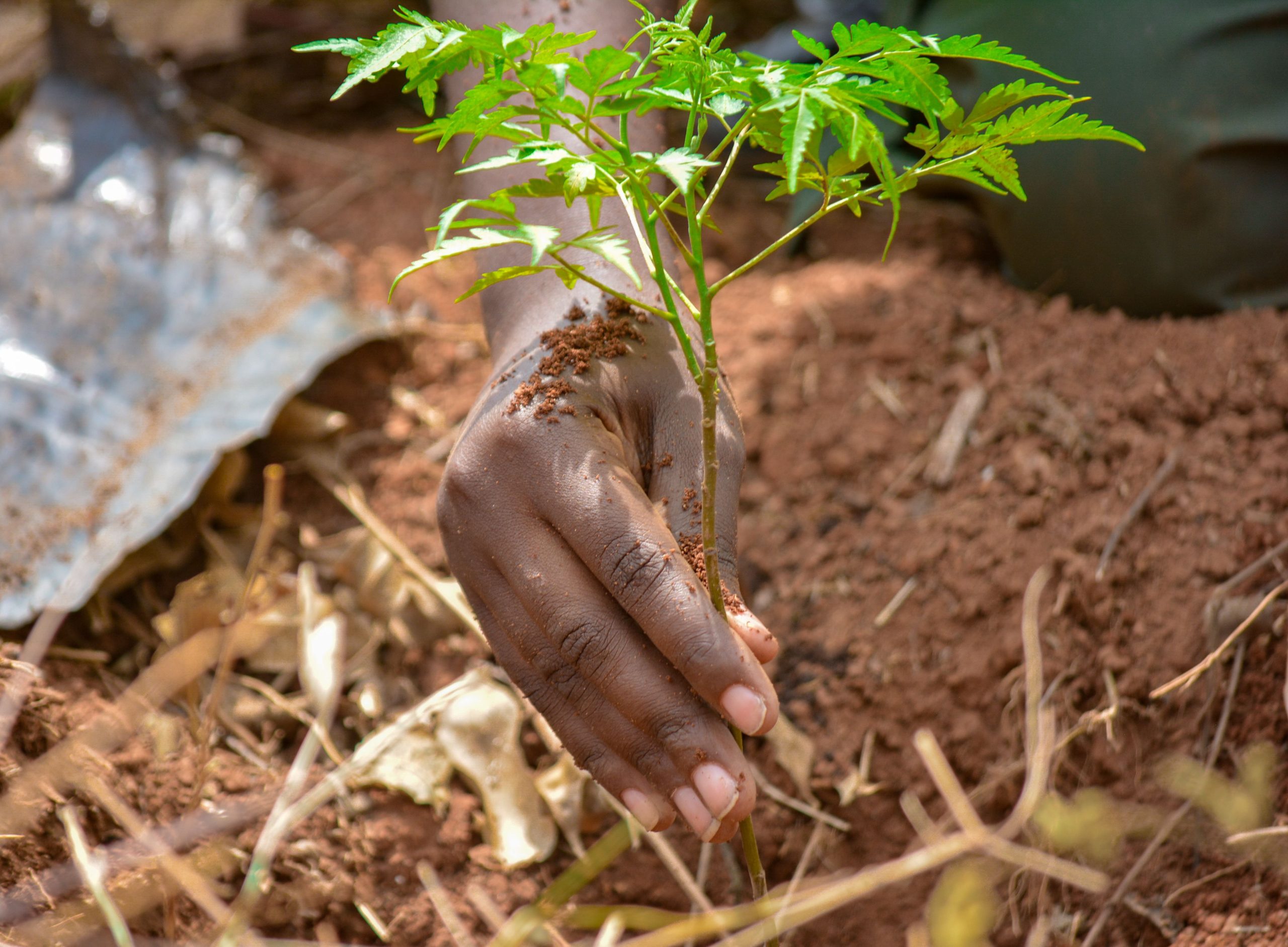
Uganda has experienced significant forest loss due to agricultural expansion, charcoal production, and urbanization. Conservation organizations actively promote:
- Tree planting campaigns.
- Forest restoration projects.
- Community forestry initiatives.
- Sustainable land management.
- Climate resilience programs.
Forest conservation is critical for protecting biodiversity, regulating water systems, and combating climate change.
5. Rhino Conservation
Rhinos became extinct in Uganda’s national parks during the 1980s due to poaching. Through intensive conservation efforts at Ziwa Rhino Sanctuary, the population has steadily recovered.
Recent conservation milestones include:
- Successful breeding programs.
- Enhanced anti-poaching measures.
- Rhino translocation initiatives.
- Reintroduction into historical habitats.
The reintroduction of white rhinos into Kidepo Valley National Park marks a significant achievement in Uganda’s conservation history.
6. One Health Conservation Approach
Uganda increasingly adopts the One Health model, recognizing the connection between human health, animal health, and environmental sustainability.
Programs focus on:
- Disease prevention.
- Community healthcare.
- Wildlife health monitoring.
- Environmental protection.
- Sustainable livelihoods.
This integrated approach is especially important in areas surrounding gorilla habitats where human and wildlife interactions are common.
Challenges Facing Conservation in Uganda
Despite remarkable progress, several challenges remain:
- Illegal wildlife trafficking.
- Habitat fragmentation.
- Population pressure.
- Climate change impacts.
- Human-wildlife conflicts.
- Limited conservation funding.
Addressing these challenges requires continued collaboration among government agencies, conservation organizations, local communities, and international partners.
The Role of Sustainable Tourism
Tourism plays a critical role in funding conservation efforts. Activities such as gorilla trekking, chimpanzee tracking, bird watching, and wildlife safaris generate revenue that supports protected area management and community development.
Responsible tourism encourages visitors to contribute directly to conservation while experiencing Uganda’s unique natural heritage.
Turkana Wildlife Safaris Uganda and Conservation
Turkana Wildlife Safaris Uganda actively supports sustainable tourism and conservation by promoting responsible travel experiences throughout Uganda’s national parks and wildlife reserves. Through eco-friendly safari operations, community engagement, and environmental awareness, the company helps visitors appreciate Uganda’s biodiversity while contributing to conservation efforts.
Turkana Wildlife Safaris Uganda offers customized wildlife safaris, gorilla trekking tours, birding expeditions, cultural experiences, and conservation-focused travel programs that encourage visitors to become ambassadors for wildlife protection and sustainable tourism.
Frequently Asked Questions (FAQs)
What are conservation initiatives?
Conservation initiatives are programs and actions designed to protect wildlife, natural habitats, forests, water resources, and biodiversity while promoting sustainable development.
Why is conservation important in Uganda?
Conservation protects endangered species, supports tourism, maintains ecosystem services, and provides economic benefits to local communities.
What species are protected through conservation programs in Uganda?
Uganda’s conservation programs protect mountain gorillas, chimpanzees, elephants, lions, rhinos, giraffes, numerous bird species, and many other wildlife species.
How do local communities benefit from conservation?
Communities benefit through tourism revenue sharing, employment opportunities, conservation projects, education programs, and sustainable livelihood initiatives.
What is community-based conservation?
Community based conservation involves local people actively participating in wildlife and habitat protection while receiving economic and social benefits.
How does tourism support conservation?
Tourism generates revenue for protected areas, funds wildlife protection programs, supports community development, and raises awareness about environmental conservation.
How does Turkana Wildlife Safaris Uganda contribute to conservation?
Turkana Wildlife Safaris Uganda promotes responsible tourism, supports conservation awareness, engages local communities, and offers eco friendly safari experiences that contribute to wildlife protection.
Conclusion
Conservation initiatives in Uganda are essential for safeguarding the country’s extraordinary biodiversity and ensuring that future generations can continue to enjoy its natural heritage. Through wildlife protection, community engagement, forest restoration, sustainable tourism, and innovative conservation strategies, Uganda continues to make significant progress in preserving its ecosystems. Organizations, communities, and tourism operators such as Turkana Wildlife Safaris Uganda play a vital role in supporting conservation efforts and promoting sustainable travel. By working together, Uganda can continue to protect its wildlife, empower local communities, and maintain its status as one of Africa’s leading conservation destinations.