
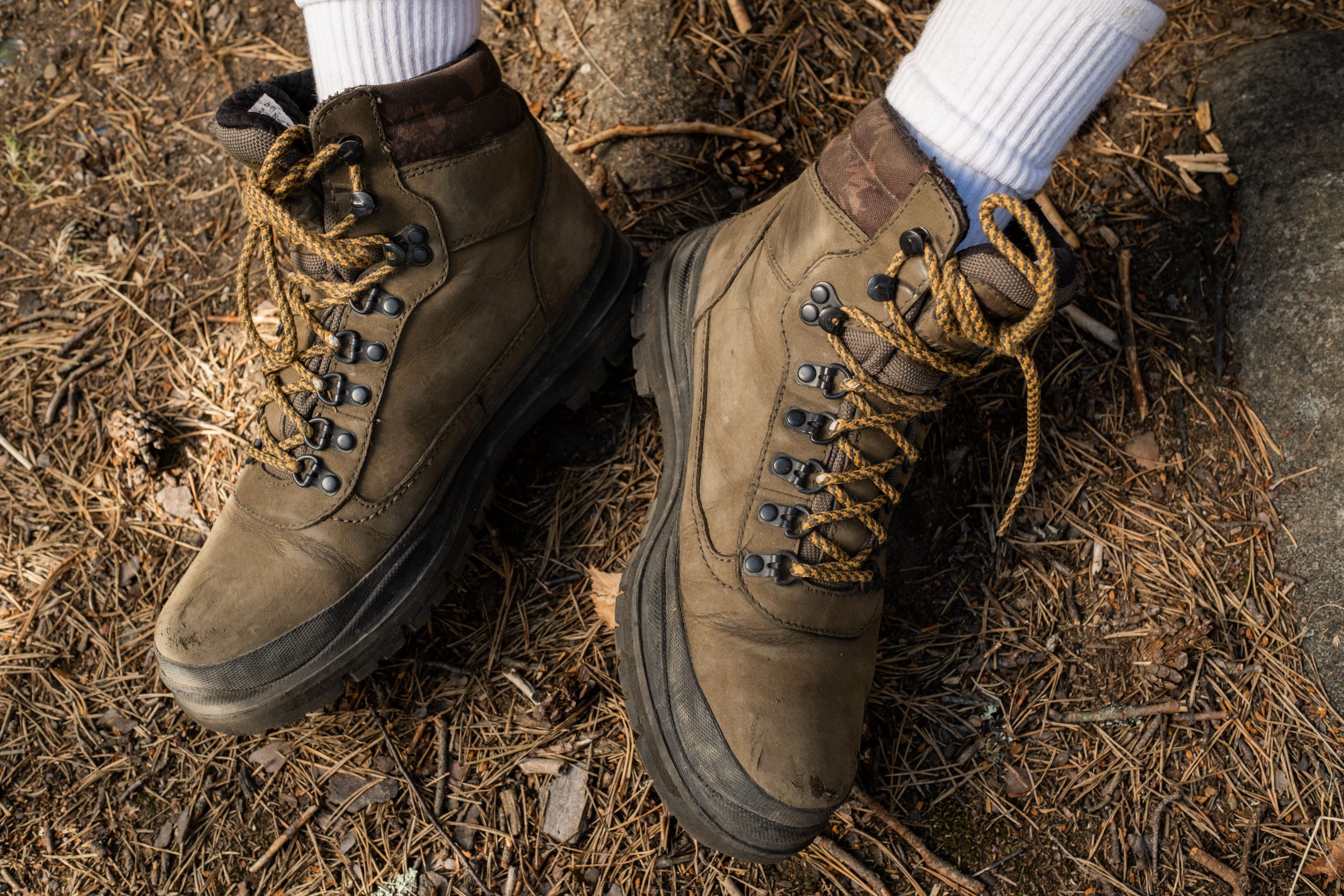
Do I Need Hiking Boots for Gorilla Trekking in Uganda
Do I Need Hiking Boots for Gorilla Trekking in Uganda
Do I Need Hiking Boots for Gorilla Trekking in Uganda? The Complete 2026 Guide
Gorilla trekking in Uganda is one of the most extraordinary wildlife encounters on the planet. The moment you lock eyes with a mountain gorilla in the dense forests of Bwindi Impenetrable National Park or Mgahinga Gorilla National Park, every step of the journey becomes worth it. But before you get to that magical hour with these gentle giants, you will navigate some of the most challenging terrain in East Africa. And that brings us to the single most important gear decision you will make: your footwear.
The Short Answer: Yes, You Absolutely Need Hiking Boots
If you are wondering whether hiking boots are truly necessary for gorilla trekking in Uganda, the answer is a resounding yes. This is not a situation where you can get away with running shoes or casual sneakers. The forests where mountain gorillas live are steep, muddy, and filled with hidden roots, vines, and stinging nettles. Proper hiking boots are not just a comfort item. They are essential safety equipment.
Packing guides consistently rank waterproof hiking boots with ankle support as the number one item for gorilla trekking. The terrain in Bwindi and Mgahinga demands footwear that can handle mud, uneven slopes, and dense undergrowth. Trail runners and light gym sneakers simply do not provide the traction or protection required.
Why the Terrain Demands Serious Footwear
To understand why hiking boots are non-negotiable, you need to appreciate what a gorilla trek actually involves. Treks typically last anywhere from two to eight hours, depending on where the gorilla family has moved that day. You will be walking through dense rainforest, often off the established trails, with park rangers using machetes to clear a path through thick vines and heavy undergrowth.
The forest floor is frequently muddy and slippery, especially during the rainy season. Hidden roots and rocks create constant tripping hazards. Sharp branches and stinging nettles can scratch exposed skin. In this environment, a misstep can easily result in a twisted ankle or a nasty fall that could cut your dream safari short.
This is precisely why experienced trekking companies, including Turkana Wildlife Safaris, emphasize the importance of proper footwear in their trek preparation guidance. The company operates gorilla trekking adventures in both Bwindi and Mgahinga, and their guides have seen firsthand what happens when travelers arrive unprepared.
Key Features Your Hiking Boots Must Have
Not all hiking boots are created equal. When selecting footwear for gorilla trekking in Uganda, look for these essential features:
Ankle Support
Mid-top or high-top boots that lace up past your ankle bones are strongly recommended. This design locks your joints into a stable position, reducing the risk of twisting an ankle on uneven ground. Low-cut hiking shoes may be fine for flat trails, but they do not provide the lateral support needed when you are navigating steep, root-covered slopes.
Waterproof Construction
The forests of Bwindi and Mgahinga receive significant rainfall throughout the year. Even during the drier months, the ground can be damp and muddy. Waterproof hiking boots keep your feet dry, which is crucial for both comfort and preventing blisters. Wet feet rub against socks more easily and create the perfect conditions for painful sores.
Aggressive Tread
Deep, multi-directional lugs on the outsole provide the grip you need on muddy and slippery surfaces. The tread pattern should be designed to shed mud rather than clog up, allowing you to maintain traction even on steep inclines.
Broken In Before You Travel
This point cannot be overstated. A brand-new pair of boots straight out of the box is a recipe for blisters and misery. Buy your boots well in advance and wear them on training hikes for at least two to four weeks before your trip. Your feet need time to adapt to the boots, and the boots need time to mold to your feet.
The Double Sock System
Even the best hiking boots are only as good as the socks you wear inside them. Experienced guides recommend a double-sock system: a thin, smooth liner sock worn directly against your skin, with a thicker wool hiking sock over it. This setup reduces friction by allowing the two sock layers to rub against each other rather than against your skin. Merino wool is an excellent choice because it wicks moisture away from your feet and regulates temperature.
What About Porters and Assistance?
Many trekking companies, including Turkana Wildlife Safaris, offer porter services for an additional fee. Porters can carry your backpack and provide a steadying hand on difficult sections of the trail. This service directly supports local communities and is highly recommended, even if you consider yourself physically fit. However, a porter cannot walk for you. You still need proper footwear to navigate the terrain safely.
Frequently Asked Questions
Can I wear trail running shoes instead of hiking boots for gorilla trekking?
Trail running shoes are not recommended for gorilla trekking in Uganda. While they may offer good traction on some surfaces, they lack the ankle support and protection from sharp vegetation that hiking boots provide. The terrain in Bwindi and Mgahinga is simply too rugged for trail runners.
Are waterproof hiking boots really necessary, or will regular hiking boots work?
Waterproof boots are strongly preferred. The forest trails are often muddy and wet, even during the dry season. Waterproof construction keeps your feet dry, which helps prevent blisters and keeps you comfortable throughout the trek. Non-waterproof boots will quickly become soaked in the damp forest conditions.
How far in advance should I break in my hiking boots?
You should begin breaking in your hiking boots at least two to four weeks before your trip. Wear them on progressively longer walks or hikes to allow your feet and the boots to adapt to each other. This gradual process helps prevent blisters and discomfort during your actual trek.
What type of socks should I wear with my hiking boots?
Wear a thin liner sock made of synthetic material or merino wool directly against your skin, with a thicker wool hiking sock over it. Avoid cotton socks, which trap moisture against your skin and increase the risk of blisters. Merino wool is particularly effective because it wicks moisture and regulates temperature.
Can I rent hiking boots in Uganda instead of bringing my own?
Renting hiking boots is not a common practice in Uganda, and it is not recommended. Rental boots may not fit properly and may not be adequately broken in, increasing your risk of blisters and discomfort. Bringing your own well-fitted, broken-in boots is the best approach.
Are hiking boots necessary for chimpanzee trekking in Kibale National Park?
Yes, the same principles apply to chimpanzee trekking in Kibale National Park. The forest terrain presents similar challenges, including mud, uneven ground, and dense vegetation. If you are combining gorilla trekking with chimpanzee tracking, which many travelers do, your hiking boots will serve you well on both adventures.
Do I need gaiters with my hiking boots?
Gaiters are optional but can be useful for keeping debris, insects, and mud out of your boots. Some trekkers find them helpful in the dense forest environment. If you choose to wear gaiters, make sure they are compatible with your boots.
What should I do if my feet get wet during the trek?
If your feet get wet despite waterproof boots, change into dry socks as soon as possible. Wet feet are prone to blistering and can become uncomfortable quickly. Pack an extra pair of socks in your daypack so you can change if needed.
How do I choose the right size hiking boots?
Your hiking boots should be slightly larger than your everyday shoes to accommodate swelling feet and thick socks. Try on boots with the socks you plan to wear during the trek. Your toes should have about a thumb’s width of space at the front of the boot, and your heel should not slip when you walk.
Conclusion
When planning your gorilla trekking adventure in Uganda, do not underestimate the importance of proper footwear. Hiking boots with ankle support, waterproof construction, and aggressive tread are essential for navigating the challenging terrain of Bwindi Impenetrable National Park and Mgahinga Gorilla National Park. The investment in a quality pair of broken-in hiking boots will pay off in comfort, safety, and the ability to fully focus on the incredible experience of encountering mountain gorillas in the wild.
Your feet carry you to one of the most remarkable wildlife encounters on Earth. Treat them well, and they will carry you there and back with a smile. For expert guidance on planning your gorilla trekking safari, including detailed packing advice and itinerary options, explore the resources and adventures offered by Turkana Wildlife Safaris.