
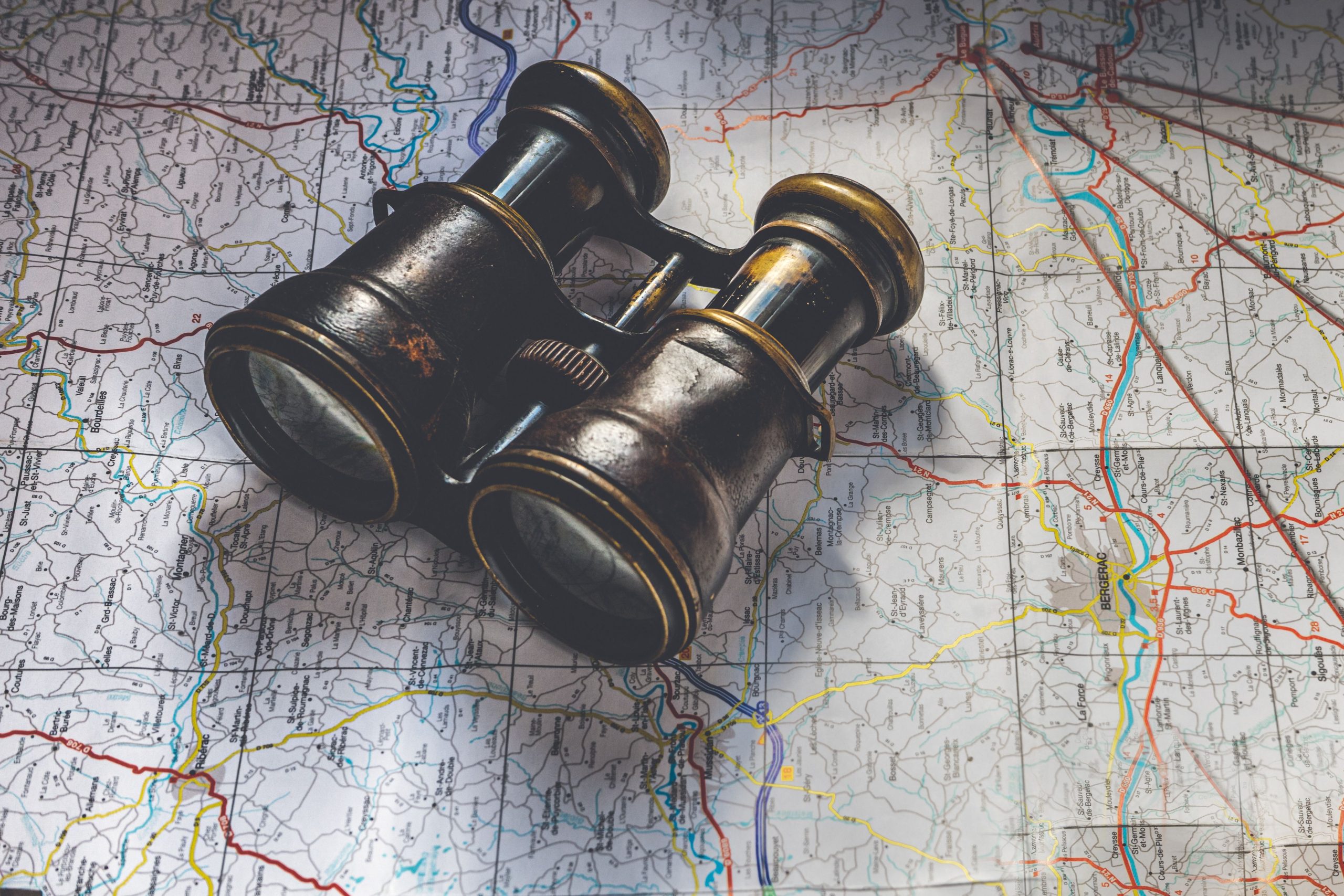
Should I bring binoculars
Should I bring binoculars
Should I Bring Binoculars on a Ugandan Safari? The Complete Guide
Introduction
Uganda, famously known as the Pearl of Africa, offers one of the most diverse wildlife viewing experiences on the continent. From tracking mountain gorillas in Bwindi Impenetrable Forest to scanning the savannahs of Queen Elizabeth National Park for tree climbing lions, the country delivers extraordinary encounters at every turn. Yet many travelers ask a simple question before departure: should I bring binoculars on a Ugandan safari?
The answer is an emphatic yes. Whether you are a dedicated birder, a wildlife photographer, or a first time safari goer, a quality pair of binoculars will transform your experience. This guide explains why binoculars are essential, how to choose the right pair, and how they enhance every aspect of a Ugandan safari.
Why Binoculars Are Essential on a Ugandan Safari
Uganda packs an astonishing variety of ecosystems into a relatively compact country. You can move from dense rainforest to open savannah, from wetland to volcanic crater lakes, all within a single itinerary. This diversity means wildlife is often encountered at varying distances and in challenging light conditions.
Wildlife Is Often Distant or Camouflaged
On game drives in Murchison Falls National Park or Queen Elizabeth National Park, animals such as lions, leopards, and elephants are frequently spotted far from the vehicle track. Leopards in particular blend seamlessly into the bush, and without magnification they can remain invisible even when they are relatively close. Binoculars allow you to pick out the subtle shapes, movements, and markings that reveal an animal’s presence.
Uganda Is a Birdwatcher’s Paradise
Uganda is home to over 1,000 recorded bird species, including the legendary shoebill stork, the great blue turaco, and a dazzling array of sunbirds and turacos. Many of these birds inhabit the forest canopy, wetlands, and savannah grasslands. Without binoculars, a beautiful bird sitting high in a tree remains nothing more than a speck in the distance. For birding safaris, quality optics are not a luxury but a fundamental tool.
Primates and Forest Wildlife Require Careful Observation
While gorilla trekking brings you remarkably close to habituated families, other primates such as chimpanzees, red colobus monkeys, and grey cheeked mangabeys are often seen moving through the canopy or at a distance. Binoculars give you the ability to observe their behavior, social interactions, and distinctive features without disturbing them. During forest walks in Kibale National Park or Bwindi, binoculars also help you spot forest birds and butterflies that would otherwise go unnoticed.
Choosing the Right Binoculars for Uganda
Selecting the right binoculars depends on your primary interests and the conditions you will encounter. Here are the key factors to consider.
Magnification and Objective Lens Size
Binoculars are described by two numbers, such as 8×42. The first number is the magnification, and the second is the diameter of the objective lens in millimeters.
For most safari travelers, 8×42 binoculars are the best all round choice. They offer a useful balance of magnification, brightness, field of view, and manageable weight. The 8x magnification provides a wide, steady image that makes it easy to find and follow animals, while the 42mm lenses gather enough light for dawn and dusk game drives.
If you are a keen birder, 10×42 binoculars may be preferable. The additional magnification provides more reach for distant savannah birds and canopy species, and the 42mm lenses maintain good low light performance. However, 10x binoculars can be slightly harder to hold steady, so consider your comfort level.
Field of View
A wide field of view is important for tracking moving animals and scanning open landscapes. Look for binoculars with a field of view of at least 110 meters at 1,000 meters. This allows you to follow herds and locate birds more easily.
Weight and Portability
You will carry your binoculars for hours at a time, often while walking or standing in a safari vehicle. Weight matters. Aim for a pair that weighs under 800 grams, as heavier models become tiring to hold for extended periods.
Durability and Weather Resistance
Uganda’s climate can be humid, dusty, and unpredictable. Waterproof and fog proof binoculars are highly recommended. They are also dustproof, which is important on dusty game drives. A robust, rubber armored body will protect your investment during travel and field use.
Recommended Specifications at a Glance
| Specification | Best For | Notes |
|---|---|---|
| 8×42 | General safari, primates, all round use | Best balance of stability, brightness, and field of view |
| 10×42 | Birding, distant wildlife | More reach, slightly less steady handheld |
| 8×30 | Lightweight travel | Compact but less effective in low light |
| 10×50 | Serious birders | Excellent low light performance but heavier |
How Binoculars Enhance Specific Ugandan Safari Experiences
Gorilla Trekking in Bwindi Impenetrable Forest
Gorilla trekking is the highlight of many Ugandan safaris, and you will typically spend one hour with a habituated gorilla family. While you will be close to the gorillas, binoculars remain valuable. They allow you to observe the gorillas from a respectful distance without intruding on their space, and they help you spot other forest wildlife such as birds, butterflies, and smaller primates during the trek. The dense forest canopy also means that light can be limited, so binoculars with good low light performance are beneficial.
Chimpanzee Tracking in Kibale National Park
Kibale National Park is home to 13 primate species, including chimpanzees, and boasts over 325 bird species. Chimpanzees are often seen in the trees, moving quickly through the canopy. Binoculars allow you to follow their movements, observe their tool use and social behavior, and capture the details of their expressions. The park’s forest trails also offer excellent birding, and binoculars are essential for spotting species such as the black capped apalis and blue headed sunbird.
Game Drives in Queen Elizabeth and Murchison Falls National Parks
The open savannahs of Queen Elizabeth National Park and Murchison Falls National Park are ideal for traditional game drives. Here, binoculars help you scan the horizon for elephants, buffalo, lions, and the famous tree climbing lions of Ishasha. The launch trip to the base of Murchison Falls is another highlight, offering close views of hippos, crocodiles, and waterbirds. Binoculars enhance this experience by allowing you to observe the incredible birdlife along the Nile without disturbing the animals.
Birding in Mabamba Wetland and Beyond
Mabamba Wetland, a Ramsar site near Kampala, is one of the best places in Uganda to see the shoebill stork. Spotting this prehistoric looking bird among the papyrus requires patience and good optics. A spotting scope can be useful for boat trips, but a quality pair of 8×42 or 10×42 binoculars is the single most important piece of equipment for any Uganda birding tour.
Practical Tips for Using Binoculars on Safari
Practice Before You Go
Familiarize yourself with your binoculars before your trip. Learn how to adjust the interpupillary distance, focus, and diopter settings. Practice finding a bird or animal quickly, as wildlife sightings are often brief.
Keep Them Accessible
Keep your binoculars around your neck or in a quick access pouch while on game drives and walks. You never know when a leopard will appear or a rare bird will flit across the trail.
Protect Your Investment
Use a lens cleaning kit to remove dust and moisture. A rain cover or a waterproof stuff sack will protect your binoculars during sudden downpours. Avoid leaving them in direct sunlight or extreme heat, as this can damage the optical coatings.
Consider Renting or Borrowing
If you are not ready to invest in a pair, many safari operators including Turkana Wildlife Safaris provide binoculars in their safari vehicles for guest use. You can also rent binoculars from specialist wildlife optics companies in Kampala through some tour operators.
Frequently Asked Questions
What magnification binoculars should I bring for a Ugandan safari?
For most travelers, 8×42 binoculars are the best all round choice. They offer a wide field of view, steady image, and good low light performance. If you are primarily interested in birding, 10×42 binoculars provide extra reach for distant species.
Are binoculars necessary if I am also bringing a camera with a zoom lens?
Yes. A camera with a telephoto lens is excellent for capturing images, but binoculars allow you to observe wildlife in real time with both eyes, which is a very different and often more immersive experience. Binoculars also allow you to scan an area quickly before deciding whether to raise your camera.
Can I rent binoculars in Uganda instead of bringing my own?
Yes, some tour operators and specialist wildlife optics companies in Kampala offer binocular rentals. However, availability may be limited, and it is always best to bring your own if you are serious about wildlife viewing.
What should I look for in binoculars for gorilla trekking?
Look for lightweight, waterproof, and fog proof binoculars with 8×42 or 10×42 specifications. Good low light performance is important because the forest canopy can be dim.
Are compact binoculars suitable for a Ugandan safari?
Compact binoculars such as 8×25 or 10×25 are lightweight and easy to pack, but they gather less light and have a narrower field of view. They are better than nothing, but for a once in a lifetime safari, a full size pair with 42mm objective lenses will provide a significantly better experience.
How do I protect my binoculars in Uganda’s humid climate?
Choose waterproof and fog proof binoculars. Store them in a dry bag or case when not in use, and use silica gel packets to absorb moisture. Clean the lenses regularly with a microfiber cloth.
Conclusion
Bringing binoculars on a Ugandan safari is not just a good idea. It is one of the most important pieces of equipment you can pack. Uganda’s extraordinary biodiversity, from the misty forests of Bwindi to the sprawling savannahs of Queen Elizabeth National Park, demands the kind of detailed observation that only quality optics can provide. Whether you are tracking gorillas, scanning for shoebills, or simply enjoying the spectacle of elephants at a waterhole, binoculars bring you closer to the action without disturbing the wildlife.
For travelers planning a Ugandan safari, investing in a reliable pair of 8×42 or 10×42 binoculars will pay dividends in every game drive, forest walk, and boat cruise. If you prefer to travel light or are unsure about purchasing, many operators provide binoculars for guest use. Ultimately, the question is not whether you should bring binoculars, but which pair will best suit your adventure.
Plan Your Ugandan Safari
Ready to experience Uganda’s wildlife with the right gear and expert guidance? Turkana Wildlife Safaris offers a range of safari packages designed to showcase the very best of Uganda, from gorilla trekking in Bwindi to birding tours in Mabamba Wetland. Explore their safari fleet and learn more about their commitment to sustainable tourism and unforgettable wildlife encounters.