
East African culture and traditions
East African Culture and Traditions: A Rich Tapestry of Diversity
Introduction
East Africa is a region known for its vibrant and diverse cultures, steeped in rich traditions that have been passed down through generations. From the bustling streets of Nairobi to the serene beaches of Zanzibar, this part of the African continent is a melting pot of ethnicities, languages, and customs. In this article, we will explore the fascinating world of East African culture and traditions, delving into the unique practices, beliefs, and celebrations that define this captivating region.
1. The Cultural Mosaic of East Africa
East Africa is home to a multitude of ethnic groups, each with its own distinct culture and traditions. From the Maasai of Kenya and Tanzania, known for their vibrant beadwork and traditional warrior dances, to the Swahili people along the coast, with their fusion of African, Arab, and European influences, the region is a tapestry of diversity. The cultural mosaic of East Africa is a testament to the rich history and interactions between various communities over centuries.
2. Language and Communication
Language plays a vital role in East African culture, serving as a means of communication and preserving cultural heritage. Swahili, a Bantu language with Arabic influences, is widely spoken across the region and serves as a lingua franca. English is also commonly spoken, particularly in urban areas and among the educated population. Additionally, numerous indigenous languages are spoken by different ethnic groups, further adding to the linguistic diversity of the region.
3. Traditional Clothing and Adornments
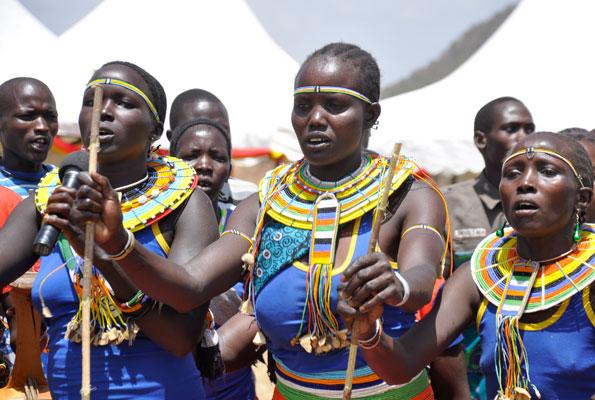
Traditional clothing in East Africa reflects the cultural identity and heritage of different communities. The Maasai, for example, are known for their distinctive red shukas (robes) and intricate beadwork, while the Kanga, a colorful rectangular cloth, is worn by women in Tanzania and Kenya. Adornments such as jewelry, body paint, and hairstyles also hold significant cultural and symbolic meaning, serving as expressions of identity, status, and beauty.
4. Music, Dance, and Storytelling
Music, dance, and storytelling are integral parts of East African culture, serving as forms of entertainment, communication, and cultural preservation. Traditional music is characterized by rhythmic beats, melodic tunes, and the use of traditional instruments such as drums, xylophones, and stringed instruments like the nyatiti. Dance forms range from energetic and acrobatic performances to graceful and ceremonial movements, often accompanied by vibrant costumes and rhythmic chants. Storytelling, through oral traditions and folklore, is a way of passing down history, moral values, and cultural knowledge from one generation to the next.
5. Festivals and Celebrations
East Africa is renowned for its colorful and lively festivals and celebrations, which provide an opportunity for communities to come together and celebrate their shared heritage. The Maasai Mara Cultural Festival in Kenya, for instance, showcases Maasai traditions through music, dance, and traditional ceremonies. The Lamu Cultural Festival in Kenya’s Lamu Island celebrates Swahili culture with dhow races, donkey races, and traditional music performances. These festivals not only promote cultural exchange but also contribute to the local economy through tourism.
FAQ: Frequently Asked Questions
Q1: What is the significance of beadwork in East African culture?
Beadwork holds great cultural and symbolic significance in East African culture. It is often used as a form of personal adornment, reflecting one’s social status, age, and marital status. Beads are also believed to have protective and healing properties, and they play a crucial role in traditional ceremonies and rituals.
Q2: Are there any traditional cuisines that are unique to East Africa?
Yes, East Africa boasts a diverse range of traditional cuisines that are unique to the region. Ugali, a staple food made from maize flour, is commonly eaten with various stews and vegetables. In coastal areas, dishes like biryani and pilau, influenced by Arab and Indian cuisines, are popular. Additionally, the region is known for its delicious grilled meats, such as nyama choma in Kenya and mishkaki in Tanzania.
Q3: What are some traditional wedding customs in East Africa?
Traditional wedding customs in East Africa vary among different ethnic groups. For example, among the Maasai, the groom must pay a dowry to the bride’s family, often in the form of cattle. The wedding ceremony is a vibrant celebration filled with traditional dances, songs, and rituals. Similarly, the Swahili wedding ceremony is a blend of Islamic and African traditions, with elaborate feasts, henna painting, and traditional music and dance.
Q4: How do East Africans celebrate religious holidays?
East Africa is home to a diverse range of religions, including Christianity, Islam, and indigenous African religions. Religious holidays are celebrated with great enthusiasm and spirituality. During Christian holidays such as Christmas and Easter, churches are adorned with decorations, and special services are held. Muslims celebrate Eid al-Fitr and Eid al-Adha, marking the end of Ramadan and the commemoration of Abraham’s sacrifice, respectively. Traditional African religions also have their own unique celebrations, often involving rituals, ceremonies, and offerings to ancestral spirits.
Q5: What are some popular tourist destinations in East Africa to experience the culture?
East Africa offers a plethora of tourist destinations where visitors can immerse themselves in the rich culture and traditions of the region. Some popular destinations include:
Zanzibar: Known for its stunning beaches and historical Stone Town, Zanzibar offers a blend of Swahili, Arab, and European influences.
Maasai Mara National Reserve: This iconic wildlife reserve in Kenya not only provides an opportunity to witness the Great Migration but also offers cultural experiences with the Maasai community.
Serengeti National Park: Located in Tanzania, the Serengeti is renowned for its vast savannahs and abundant wildlife, providing a unique cultural and wildlife experience.
Lalibela, Ethiopia: Home to the famous rock-hewn churches, Lalibela is a UNESCO World Heritage site and a significant pilgrimage destination for Ethiopian Orthodox Christians.
Lake Victoria: The largest freshwater lake in Africa, Lake Victoria is shared by Kenya, Tanzania, and Uganda. It offers opportunities to explore local fishing communities, traditional boat rides, and cultural interactions.
Conclusion
East African culture and traditions are a testament to the region’s rich history, diversity, and resilience. From the vibrant colors of traditional clothing to the rhythmic beats of music and dance, the cultural tapestry of East Africa is a source of pride and identity for its people. By preserving and celebrating these traditions, East Africans continue to pass down their heritage to future generations, ensuring that their unique cultures thrive in the modern world.
So, whether you’re exploring the bustling markets of Nairobi, trekking through the Maasai Mara, or relaxing on the pristine beaches of Zanzibar, immerse yourself in the captivating world of East African culture and traditions. Experience the warmth and hospitality of the people, indulge in the flavors of traditional cuisines, and witness the vibrant celebrations that bring communities together. East Africa awaits, ready to share its cultural treasures with the world.
Remember, the key to understanding and appreciating East African culture is to approach it with an open mind and a genuine curiosity. Embrace the diversity, engage with the locals, and let the magic of East Africa’s cultural heritage unfold before your eyes.