
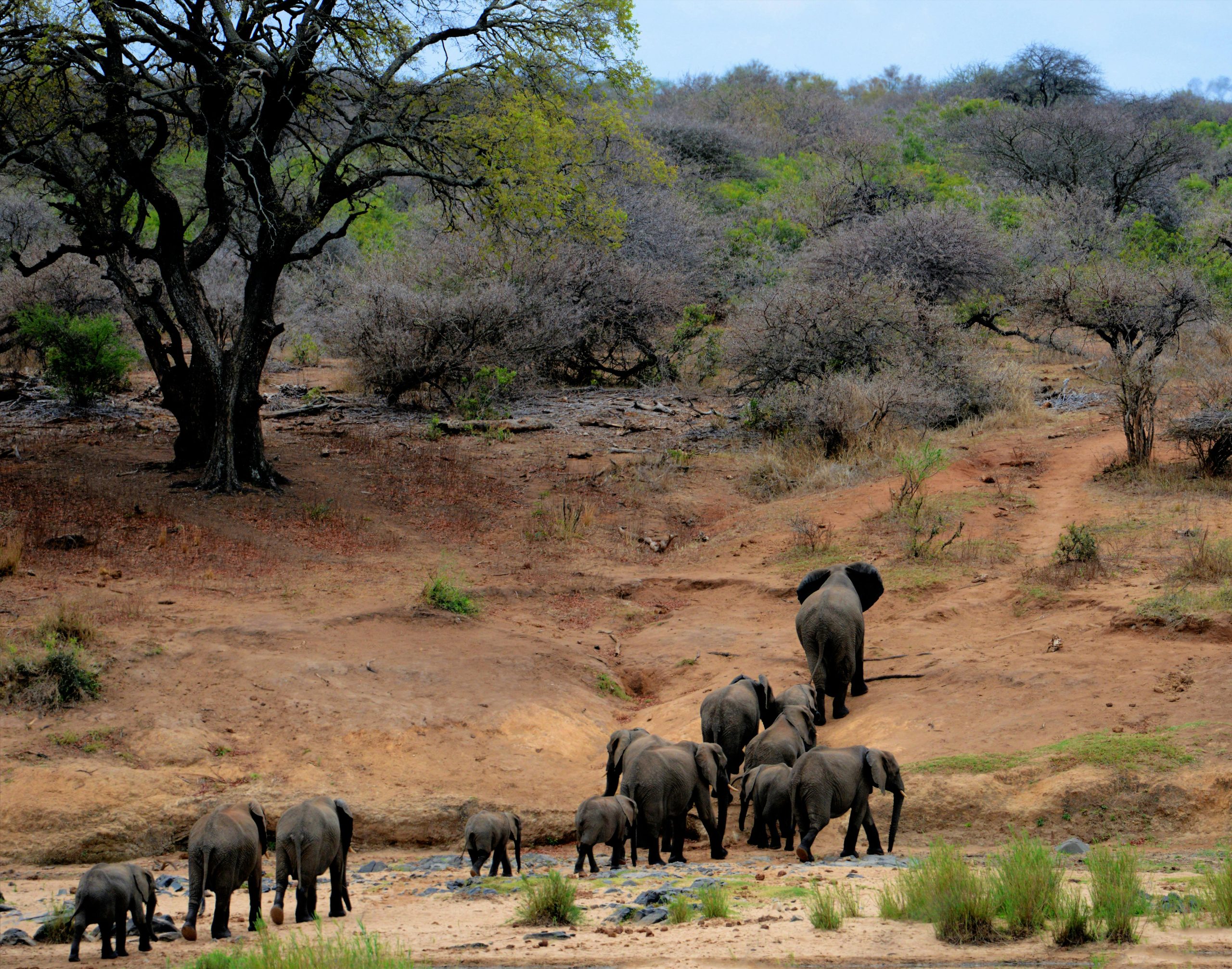
Threats to Elephants
Threats to Elephants
The Silent Crisis: Unveiling the Major Threats to Elephants in the 21st Century
Introduction
Majestic, intelligent, and deeply emotional, elephants have long been revered as symbols of wisdom and strength across cultures. Yet, despite their grandeur, these gentle giants face a multitude of threats that are pushing them toward extinction. From the dense forests of Asia to the vast savannas of Africa, elephants are under siege—not just from poachers, but from a complex web of human-induced challenges.
This comprehensive guide explores the multifaceted threats to elephants, examining both African and Asian species. It delves into the causes, consequences, and potential solutions, offering a detailed look at how humanity’s actions are shaping the fate of one of Earth’s most iconic animals.
Poaching and the Ivory Trade
One of the most notorious threats to elephants is poaching, driven largely by the illegal ivory trade. Despite international bans, ivory remains a highly lucrative commodity in black markets, particularly in parts of Asia.
Key Facts:
- Tens of thousands of elephants are killed annually for their tusks.
- Ivory is often carved into ornaments, jewelry, and religious artifacts.
- Organized crime syndicates are heavily involved in trafficking ivory.
Consequences:
- Rapid population decline, especially among African savanna elephants.
- Disruption of elephant social structures, as matriarchs are often targeted.
- Increased violence and corruption in regions where poaching is rampant.
Habitat Loss and Fragmentation
As human populations expand, elephants are losing the vast landscapes they need to survive. Deforestation for agriculture, urban development, and infrastructure projects is shrinking their habitats.
Major Causes:
- Logging and timber extraction.
- Agricultural expansion, especially for crops like palm oil and soy.
- Infrastructure development, including roads and railways.
Impacts:
- Elephants are forced into smaller, isolated patches of land.
- Genetic diversity declines due to population fragmentation.
- Increased encounters with humans, leading to conflict.
Human-Elephant Conflict
As elephants encroach on human settlements in search of food and water, conflict becomes inevitable. These encounters often result in casualties on both sides.
Common Scenarios:
- Crop raiding by elephants.
- Retaliatory killings by farmers.
- Accidental deaths from electrocution or train collisions.
Mitigation Strategies:
- Use of beehive fences.
- Community-based conservation programs.
- Early warning systems and elephant corridors.
Climate Change and Environmental Stress
Climate change is an emerging threat that exacerbates existing pressures on elephant populations. Altered weather patterns affect food and water availability, pushing elephants into unfamiliar and often dangerous territories.
Effects of Climate Change:
- Prolonged droughts reduce access to water sources.
- Changes in vegetation affect food supply.
- Increased risk of disease due to weakened immune systems.
Long-Term Risks:
- Migration patterns are disrupted.
- Calving rates decline due to nutritional stress.
- Greater competition with other wildlife and humans.
Illegal Wildlife Trade Beyond Ivory
While ivory is the most infamous product, elephants are also exploited for other purposes in the illegal wildlife trade.
Other Exploited Parts:
- Elephant skin, used in traditional medicine and fashion.
- Meat, consumed in some regions.
- Bones and organs, trafficked for various uses.
The Bigger Picture:
- The trade is part of a larger network of wildlife trafficking.
- It undermines conservation efforts and fuels corruption.
- Demand is often driven by myths and misinformation.
Tourism and Captivity
Tourism can be a double-edged sword. While it can fund conservation, unethical practices in the tourism industry often exploit elephants.
Problematic Practices:
- Elephant rides and performances.
- Captive breeding for entertainment.
- Poor living conditions in zoos and circuses.
Ethical Alternatives:
- Visiting ethical sanctuaries.
- Supporting eco-tourism initiatives.
- Educating travelers about responsible wildlife tourism.
Conservation Efforts and Global Initiatives
Despite the grim outlook, numerous organizations and governments are working tirelessly to protect elephants.
Key Initiatives:
- CITES (Convention on International Trade in Endangered Species).
- African Elephant Coalition.
- Anti-poaching patrols and surveillance technology.
Success Stories:
- Elephant populations rebounding in some protected areas.
- Community-led conservation in Namibia and Kenya.
- Global awareness campaigns reducing ivory demand.
How You Can Help
Everyone has a role to play in saving elephants. Here’s how you can contribute:
Individual Actions:
- Avoid buying ivory or elephant-related products.
- Support reputable conservation organizations.
- Spread awareness through social media and education.
Policy Advocacy:
- Urge governments to enforce anti-poaching laws.
- Support habitat protection policies.
- Promote sustainable development in elephant habitats.
Travel Responsibly:
- Choose ethical wildlife tours.
- Avoid attractions that exploit animals.
- Donate to sanctuaries and conservation programs.
FAQs
1. Why are elephants poached for ivory?
Elephants are poached primarily for their tusks, which are made of ivory. This material is highly valued in black markets, especially in Asia, where it is used for ornaments, jewelry, and traditional medicine. Despite international bans, demand persists due to cultural and economic factors. Learn more from WWF’s ivory trade insights.
2. How does habitat loss affect elephant populations?
Habitat loss forces elephants into smaller areas, leading to overcrowding, food scarcity, and increased human-elephant conflict. It also fragments populations, reducing genetic diversity and making it harder for elephants to migrate. Explore the impact of deforestation on wildlife.
3. What is human-elephant conflict, and can it be resolved?
Elephant conflict arises when elephants enter human settlements, often in search of food or water. This can lead to crop destruction, property damage, and even fatalities. Solutions include beehive fences, elephant corridors, and community education.
4. Are all elephant species endangered?
Yes, all three recognized species of elephants are currently facing threats:
- African Savanna Elephant: Endangered
- African Forest Elephant: Critically Endangered
- Asian Elephant: Endangered
Refer to the IUCN Red List for updated conservation statuses.
5. How can tourism harm elephants?
Unethical tourism practices, such as elephant rides and performances, often involve cruel training methods and poor living conditions. Tourists can help by choosing ethical sanctuaries and avoiding attractions that exploit animals.
Conclusion
Elephants are more than just wildlife—they are keystone species that play a vital role in maintaining ecological balance. Yet, they are under constant threat from human activities, ranging from poaching to habitat destruction. The good news? There is still time to reverse the tide.
By understanding the threats and supporting conservation efforts, we can ensure that future generations will continue to marvel at these magnificent creatures in the wild. The fate of elephants lies not just in the hands of governments or conservationists, but in the choices we all make—every single day.