
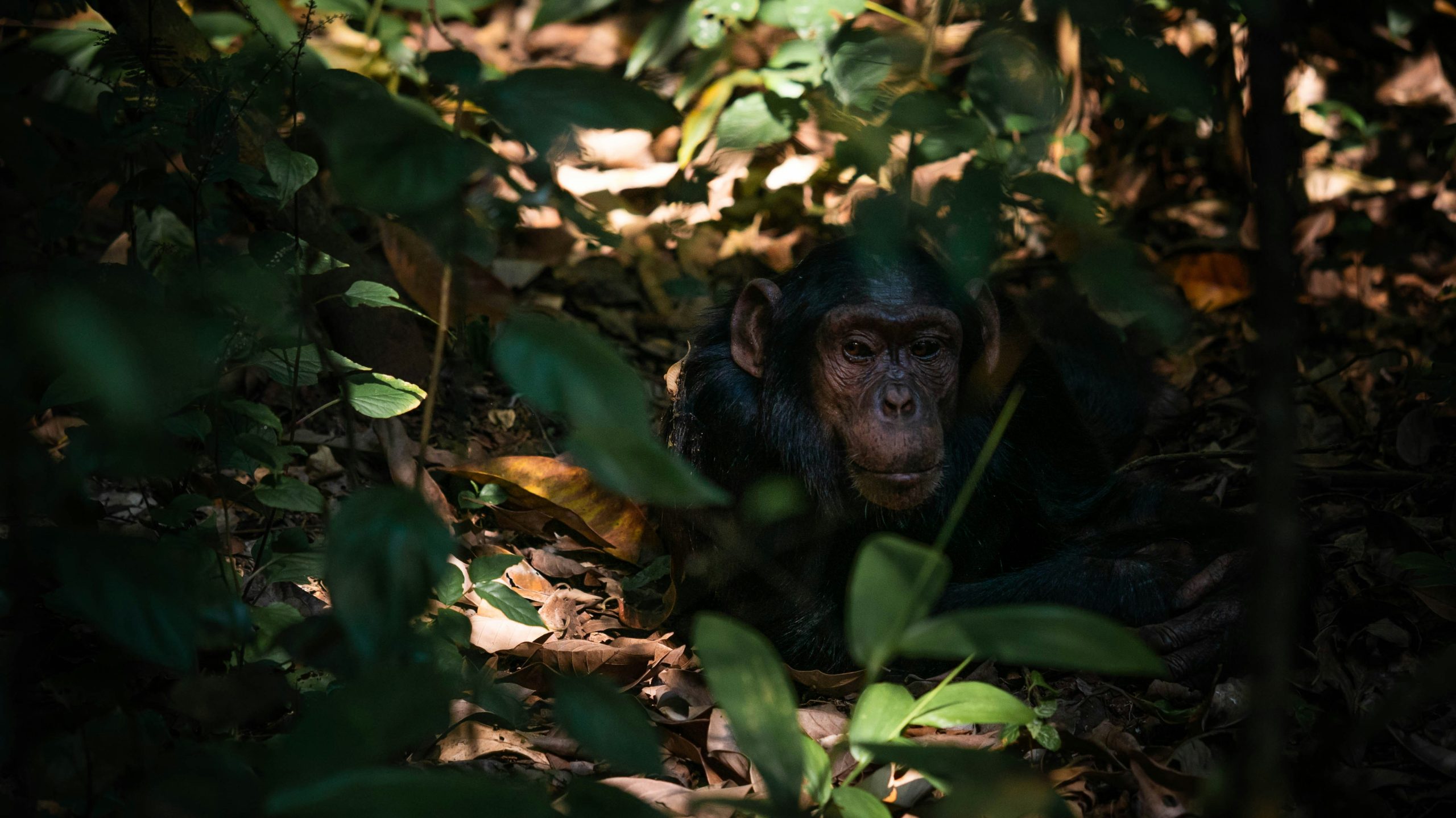
Gorilla and Chimpanzee Tracking in Uganda Costs and Tips
Gorilla and Chimpanzee Tracking in Uganda Costs and Tips
Gorilla and Chimpanzee Tracking in Uganda: Costs, Tips & Essential Travel Guide
Uganda is one of Africa’s top wildlife destinations, offering travelers the unique opportunity to track both mountain gorillas and chimpanzees in the wild. While gorilla trekking is the highlight of any Ugandan safari, chimpanzee tracking adds another layer of adventure, especially in Uganda’s lush national parks.
Understanding the costs, permits and tips before your trip is essential for planning a successful safari.
Uganda’s Gorilla and Chimpanzee Habitats
Gorilla Habitats
Uganda is home to nearly half of the world’s mountain gorillas, primarily in:
- Bwindi Impenetrable National Park – famous for its dense rainforest and multiple habituated gorilla families
- Mgahinga Gorilla National Park – smaller, quieter park with fewer tourists but equally rewarding
Chimpanzee Habitats
Chimpanzees are found in Uganda’s tropical forests, including:
- Kibale Forest National Park – known as the “Primate Capital of the World” with over 13 primate species
- Budongo Forest Reserve – offers chimp trekking and birdwatching
Tracking gorillas and chimpanzees allows for up-close wildlife encounters that are both educational and transformative.
Gorilla Trekking Costs in Uganda
Gorilla trekking is tightly regulated to protect the endangered species.
Current Permit Fees (2024–2026):
| Category | Price |
|---|---|
| Foreign non-residents | $800 |
| Foreign residents | $700 |
| East African citizens | UGX 300,000 |
What’s included:
- 1-hour gorilla encounter
- Ranger guides
- Conservation fees
Important: Only 8 trekkers per gorilla family are allowed each day, so booking months in advance is essential.
Chimpanzee Trekking Costs in Uganda
Chimpanzee tracking permits are generally more affordable and accessible.
Current Permit Fees:
| Category | Price |
|---|---|
| Foreign non-residents | $150 |
| Foreign residents | $100 |
| East African citizens | UGX 30,000 |
What’s included:
- Guided trekking in the forest
- Briefing and tracking instruction
- Conservation fees
Chimp trekking usually lasts 2–5 hours, depending on the location of chimp groups, making it less physically demanding than gorilla trekking.
Sample Safari Itinerary: Gorilla and Chimpanzee Tracking
Day 1: Arrival in Kampala
- Arrive at Entebbe International Airport
- Transfer to Kampala city lodge
- Overnight stay
Day 2: Drive to Bwindi or Mgahinga
- Scenic drive through southwestern Uganda
- Optional community stops
- Overnight near gorilla trekking park
Day 3: Gorilla Trekking
- Early morning briefing
- Trek 2–8 hours to locate gorilla family
- Spend 1 hour with gorillas
- Return to lodge
Day 4: Chimpanzee Trekking in Kibale
- Drive to Kibale Forest National Park
- Morning chimpanzee tracking
- Return to lodge
Day 5: Return to Kampala
- Breakfast and scenic drive back
- Optional city tour or departure
Additional Safari Costs
Beyond permits, consider these typical expenses:
- Accommodation:
- Budget: $50–$100/night
- Mid-range: $150–$300/night
- Luxury: $400+
- Transport: $100–$300 depending on private safari vehicle or group tour
- Meals: Often included in lodge packages
- Tips: Rangers and porters – $10–$20/day
Estimated Total Cost for 5-Day Safari:
- Budget: $1,500–$2,000
- Mid-range: $2,000–$3,500
- Luxury: $3,500+
Tips for a Successful Gorilla and Chimpanzee Safari
- Book permits early: Gorilla permits sell out months in advance.
- Hire an experienced tour operator: Ensures smooth logistics and safety.
- Be physically prepared: Gorilla trekking can be strenuous; chimp trekking is moderate.
- Pack essentials: Waterproof boots, long sleeves, gloves, raincoat, insect repellent, water and snacks.
- Respect wildlife rules: Maintain distance, avoid flash photography and follow ranger instructions.
Conservation Impact
Tourism in Uganda directly benefits conservation efforts:
- Gorilla and chimpanzee protection through regulated trekking
- Community development projects – health, schools and infrastructure
- Park management and forest preservation
By participating in these safaris, you support endangered primate conservation and local livelihoods.
Why You should Go
A gorilla and chimpanzee tracking safari in Uganda offers an unparalleled wildlife experience. While gorilla trekking provides an intimate, once-in-a-lifetime encounter, chimpanzee tracking adds variety and insight into Uganda’s primate diversity.
With careful planning and budgeting for permits, accommodation and transport, travelers can enjoy a life-changing safari adventure in the Pearl of Africa.
Frequently Asked Questions (FAQs)
1. How much does gorilla trekking cost in Uganda?
A gorilla trekking permit in Uganda costs $800 per person for foreign non-residents. This includes park entry, ranger guides, and one hour with the gorillas.
2. What is the cost of chimpanzee tracking in Uganda?
Chimpanzee permits vary by location:
- Kibale National Park: about $250 per person
- Kyambura Gorge: about $100 per person
3. When is the best time for gorilla and chimpanzee tracking?
The best time is during the dry seasons:
- June to September
- December to February
These months offer easier hiking conditions and better wildlife visibility.
4. How difficult is gorilla trekking?
Gorilla trekking can be moderately to highly challenging, depending on the location of the gorilla families. Treks may last from 1 to 6 hours in dense forest terrain.
5. What should I pack for tracking?
Essential items include:
- Hiking boots
- Long-sleeved clothing
- Rain jacket
- Gloves
- Insect repellent
- Drinking water and snacks
6. How far in advance should I book permits?
Permits should be booked at least 2–6 months in advance, especially for peak seasons, as they sell out quickly.
7. Where does gorilla trekking take place in Uganda?
Gorilla trekking is mainly done in:
- Bwindi Impenetrable National Park
- Mgahinga Gorilla National Park
8. Is it safe to track gorillas and chimpanzees?
Yes, tracking is safe when done with trained guides and rangers. Visitors must follow strict guidelines to protect both themselves and the animals.
9. Can children participate in tracking?
- Gorilla trekking: Minimum age is 15 years
- Chimpanzee tracking: Usually 12 years, depending on the park
10. Why is gorilla trekking expensive?
The cost supports conservation efforts, park management, and local communities, helping protect endangered mountain gorillas.
Conclusion
Gorilla and chimpanzee tracking in Uganda offers one of the most rewarding wildlife experiences in Africa. While the costs especially for gorilla permits may seem high, they directly contribute to conservation and provide a rare opportunity to encounter these incredible primates in their natural habitat.
With proper planning, early permit booking, and the right preparation, this adventure becomes a once-in-a-lifetime journey combining breathtaking scenery, rich biodiversity, and unforgettable encounters.