
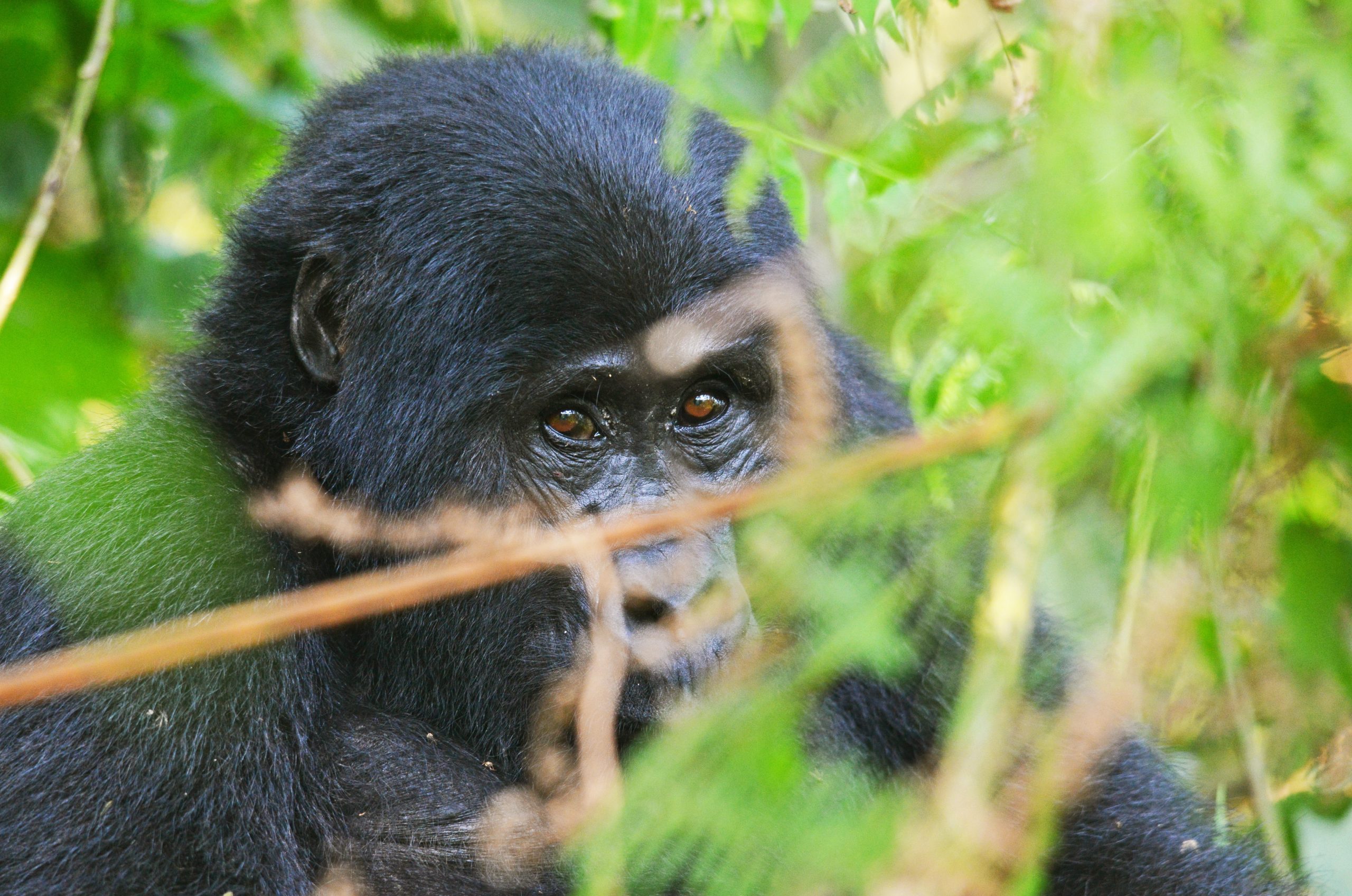
Mgahinga Gorilla National Park Safari Experience
Mgahinga Gorilla National Park Safari Experience
Mgahinga Gorilla National Park Safari Experience: A Complete Guide to Uganda’s Hidden Gem
For travelers seeking an off-the-beaten-path gorilla trekking adventure, Mgahinga Gorilla National Park in southwestern Uganda offers a perfect combination of adventure, biodiversity and fewer crowds. Often overshadowed by the more famous Bwindi Impenetrable National Park, Mgahinga is a smaller, serene park that promises unforgettable encounters with mountain gorillas and other unique wildlife.
This guide provides a detailed overview of gorilla trekking tours in Mgahinga, including travel, permits, itineraries and expert tips.
Why Visit Mgahinga Gorilla National Park?
Located in the Virunga Mountains, Mgahinga is part of the Virunga Conservation Area, which spans Uganda, Rwanda, and the Democratic Republic of Congo.
Key highlights include:
- Mountain gorillas: Home to habituated gorilla families for trekking
- Golden monkeys: A rare primate species unique to the Virunga ecosystem
- Scenic volcanic landscapes: Featuring Mount Sabinyo, Mount Gahinga, and Mount Muhabura
- Less crowded trekking experience: Ideal for travelers wanting a more intimate encounter
Mgahinga covers about 33.7 km², making it Uganda’s smallest gorilla park but one of the most tranquil.
Gorilla Trekking in Mgahinga
Like other Ugandan parks, gorilla trekking in Mgahinga is highly regulated to protect the endangered species.
What to Expect:
- Ranger briefing at the park headquarters
- Group allocation (maximum 8 people per gorilla family)
- Trek duration: 2–6 hours depending on gorilla location
- 1 hour with the gorillas
The experience is awe-inspiring, watching gorillas feed, play and interact in the misty volcanic forest is truly life-changing.
Golden Monkey Trekking
Mgahinga is also famous for golden monkey tracking. These playful primates live in bamboo forests, offering a less strenuous alternative to gorilla trekking.
- Duration: 2–3 hours
- Suitable for families and less fit hikers
- Perfect for wildlife photographers
Gorilla Trekking Permits and Costs
Permits are issued by the Uganda Wildlife Authority (UWA) and are limited to protect wildlife.
Current Prices:
- $700 – Foreign residents
- $800 – Foreign non-residents
- UGX 300,000 – East African citizens
Permits include:
- Ranger guide
- 1-hour gorilla viewing
- Conservation fees
Note: Mgahinga has fewer gorilla families than Bwindi, so booking well in advance is essential.
Best Time for Trekking
Mgahinga can be visited year-round, but the dry seasons are best for trekking:
- June to September
- December to February
Advantages:
- Trails are less slippery
- Clearer views for photography
Even during the wet season, trekking is possible, though more challenging.
How to Get to Mgahinga
Mgahinga is accessible via:
By Road:
- From Kampala: ~8–9 hours
- From Kigali, Rwanda: ~2–3 hours
Routes pass through scenic areas, including Kisoro town and the border regions of Uganda and Rwanda.
By Air:
- Domestic flights from Entebbe/Kigali to Kisoro airstrip
- Short transfer to the park
Sample 3-Day Mgahinga Gorilla Trekking Itinerary
Day 1: Arrival
- Drive or fly into Kisoro
- Transfer to lodge near Mgahinga
- Overnight stay with scenic volcano views
Day 2: Gorilla Trekking
- Early morning ranger briefing
- Trek through dense forest
- 1-hour gorilla encounter
- Optional golden monkey tracking in afternoon
- Return to lodge
Day 3: Return Journey
- Breakfast
- Drive back to Kampala or Kigali
- Optional scenic stops or community visits
Accommodation Options
Mgahinga offers a range of lodges:
- Budget: Campsites and simple lodges
- Mid-range: Comfortable eco-lodges
- Luxury: Exclusive lodges with forest and volcano views
Most tour operators include accommodation, meals and park transfers in the package.
Conservation and Responsible Tourism
Mgahinga plays a critical role in mountain gorilla conservation. Tourism revenue contributes to:
- Gorilla protection
- Local community development
- Park management and habitat preservation
Guidelines for responsible trekking:
- Maintain 7-meter distance from gorillas
- Avoid direct eye contact
- Limit trekking group size to 8 visitors
- Follow ranger instructions strictly
Packing List for Mgahinga Gorilla Trekking
- Waterproof hiking boots
- Long-sleeved clothing for forest protection
- Rain jacket and poncho
- Gloves for gripping vegetation
- Insect repellent
- Snacks and drinking water
Porters are available and recommended, they support local livelihoods and make hiking easier.
Cost of a 3-Day Mgahinga Gorilla Trekking Tour
Estimated budget:
- Budget: $1,000–$1,500
- Mid-range: $1,500–$2,500
- Luxury: $2,500+
Costs typically cover:
- Gorilla permit
- Accommodation
- Meals
- Transport and guides
Travel Tips for Mgahinga
- Book gorilla permits 3-6 months in advance
- Choose an experienced local tour operator
- Carry sufficient cash for tips and local purchases
- Be physically fit for moderate to challenging trekking
- Respect local communities and conservation rules
Final words
Mgahinga Gorilla National Park offers a rare, intimate gorilla trekking experience with fewer crowds and stunning volcanic landscapes. For travelers seeking adventure combined with wildlife conservation, it is a must-visit destination in Uganda.
Whether you are tracking mountain gorillas, observing golden monkeys or exploring volcanic terrain, Mgahinga promises an unforgettable safari adventure.
Frequently Asked Questions (FAQs)
1. Where is Mgahinga Gorilla National Park located?
Mgahinga Gorilla National Park is located in southwestern Uganda, in Kisoro District, along the borders of Rwanda and the Democratic Republic of Congo.
2. What is Mgahinga famous for?
The park is best known for mountain gorilla trekking, golden monkey tracking, and its stunning volcanic landscapes, including the Virunga Mountains.
3. How many gorilla families are in Mgahinga?
Mgahinga is home to one habituated gorilla family called the Nyakagezi Gorilla Family, known for its mobility across borders.
4. What activities can I do in Mgahinga Gorilla National Park?
Visitors can enjoy:
- Gorilla trekking
- Golden monkey tracking
- Volcano hiking (Mount Muhabura, Mount Gahinga, Mount Sabyinyo)
- Batwa cultural experiences
- Bird watching
5. How much is a gorilla trekking permit?
A gorilla trekking permit in Uganda costs USD 800 per person (subject to change by Uganda Wildlife Authority).
6. When is the best time to visit Mgahinga?
The best time is during the dry seasons:
- June to September
- December to February
These months offer easier trekking conditions.
7. How do I get to Mgahinga Gorilla National Park?
You can reach Mgahinga by:
- Road (8–10 hours drive from Entebbe/Kampala)
- Domestic flight to Kisoro Airstrip, then a short drive to the park
8. Is Mgahinga less crowded than Bwindi?
Yes, Mgahinga is quieter and less crowded compared to Bwindi Impenetrable National Park, making it ideal for travelers seeking a more exclusive experience.
9. What should I pack for the safari?
Essential items include:
- Hiking boots
- Rain jacket
- Long-sleeved clothing
- Gloves
- Insect repellent
- Camera
10. Is Mgahinga suitable for all fitness levels?
Moderate fitness is required, as trekking can be physically demanding depending on the gorillas’ location.
Conclusion
Mgahinga Gorilla National Park offers a truly unique and intimate safari experience, combining rare wildlife encounters with breathtaking volcanic scenery and rich cultural heritage. Unlike more crowded destinations, Mgahinga provides an exclusive atmosphere, perfect for travelers seeking both adventure and tranquility. Whether it’s tracking the majestic mountain gorillas, encountering playful golden monkeys, or exploring the dramatic Virunga volcanoes, a safari here promises unforgettable memories in one of Uganda’s most remarkable landscapes.