
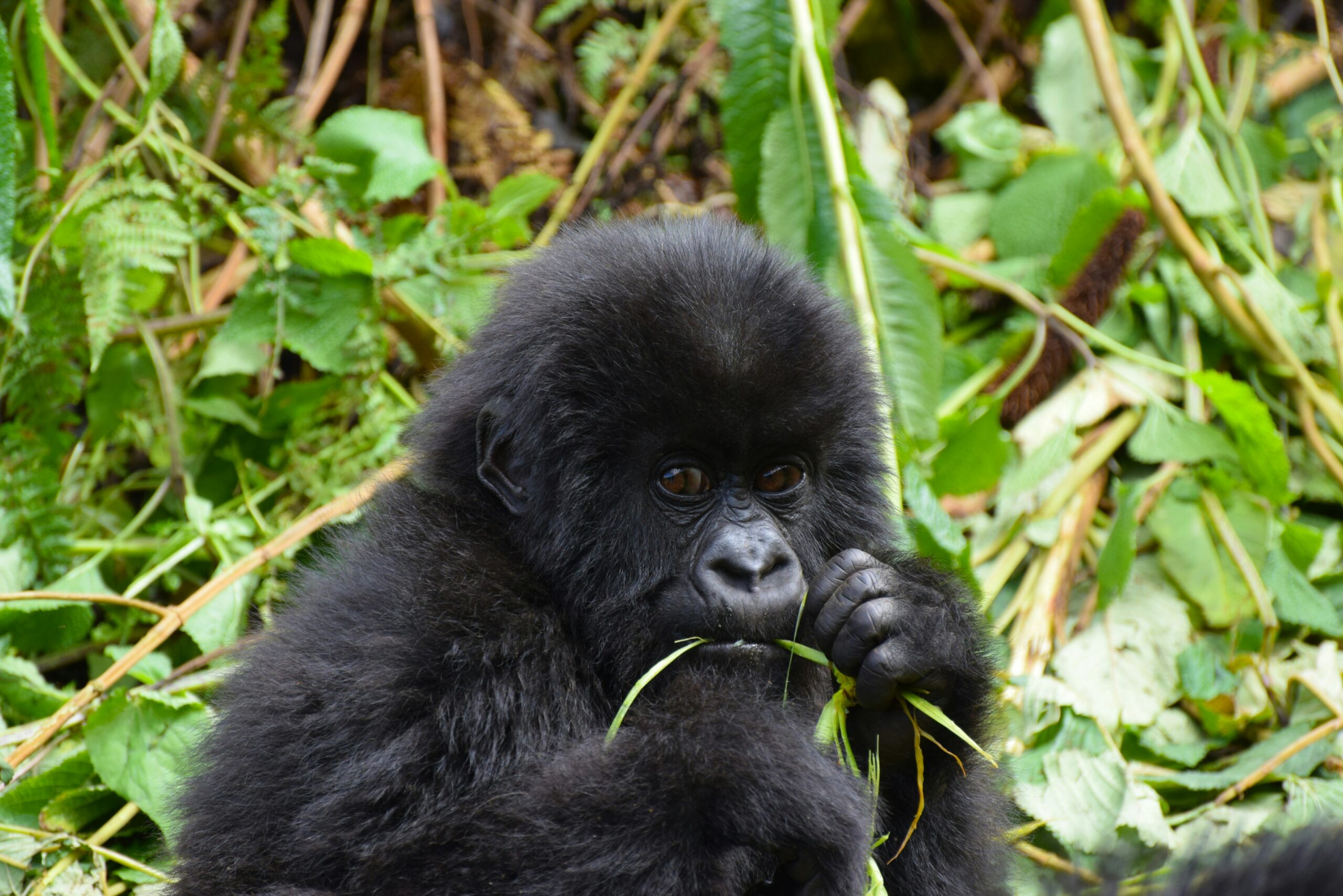
Gorilla Trekking Safaris
Gorilla Trekking Safaris: A Once-in-a-Lifetime Wildlife Adventure
Introduction
Welcome to the world of gorilla trekking safaris, where you can embark on a thrilling adventure to witness one of nature’s most magnificent creatures in their natural habitat. In this article, we will explore the wonders of gorilla trekking, the best destinations for this unique experience, and provide you with all the information you need to plan your own unforgettable safari. So, grab your backpack and let’s dive into the enchanting world of gorilla trekking!
Section 1: Understanding Gorillas
The Majestic Gorillas
Gorillas are the largest primates on Earth and are native to the dense forests of Central Africa. These gentle giants are known for their incredible strength, intelligence, and close-knit social structures. Gorillas are divided into two species: the Eastern Gorillas and the Western Gorillas, each with its own subspecies. The Eastern Gorillas include the critically endangered Mountain Gorillas and the endangered Eastern Lowland Gorillas, while the Western Gorillas consist of the critically endangered Western Lowland Gorillas and the Cross River Gorillas.
The Importance of Conservation
Gorillas face numerous threats, including habitat loss, poaching, and disease. Conservation efforts are crucial to protect these magnificent creatures and ensure their survival for future generations. Gorilla trekking safaris not only provide an unforgettable experience for visitors but also contribute to the conservation of gorillas and their habitats. By participating in a gorilla trekking safari, you are directly supporting conservation initiatives and helping to preserve these incredible animals.
Section 2: Best Destinations for Gorilla Trekking Safaris
1. Bwindi Impenetrable National Park, Uganda
Located in southwestern Uganda, Bwindi Impenetrable National Park is home to approximately half of the world’s remaining Mountain Gorilla population. Trekking through the dense rainforest of Bwindi is a truly magical experience, as you navigate through lush vegetation, encounter various bird species, and finally come face to face with these majestic creatures. Bwindi offers both short treks and longer expeditions, allowing visitors to choose the duration that suits their preferences.
2. Volcanoes National Park, Rwanda
Situated in the Virunga Mountains, Volcanoes National Park in Rwanda is another prime destination for gorilla trekking. This park is renowned for its population of habituated Mountain Gorillas, making it easier for visitors to observe and photograph these incredible creatures up close. The trekking experience in Volcanoes National Park is often described as challenging but rewarding, as you hike through bamboo forests and volcanic slopes to reach the gorilla families.
3. Virunga National Park, Democratic Republic of Congo
Virunga National Park, located in the Democratic Republic of Congo, is not only home to Mountain Gorillas but also to other iconic wildlife, such as chimpanzees and elephants. Gorilla trekking in Virunga offers a unique and off-the-beaten-path experience, as you explore the untouched wilderness of this vast national park. Despite the challenges posed by political instability in the region, the park authorities have implemented strict security measures to ensure the safety of visitors.
4. Mgahinga Gorilla National Park, Uganda
Nestled in the Virunga Mountains, Mgahinga Gorilla National Park is a hidden gem for gorilla trekking enthusiasts. This park is part of the larger Virunga Conservation Area, which spans across Uganda, Rwanda, and the Democratic Republic of Congo. Mgahinga is home to the rare and endangered Mountain Gorillas, as well as the indigenous Batwa pygmies. The trekking experience in Mgahinga combines breathtaking scenery, cultural encounters, and the thrill of spotting gorillas in their natural habitat.
Section 3: Planning Your Gorilla Trekking Safari
Permits and Regulations
Gorilla trekking permits are required to visit the gorillas in their natural habitat. These permits are limited in number to ensure the well-being of the gorillas and minimize human impact on their environment. It is essential to book your permits well in advance, as they are in high demand. Additionally, there are strict regulations in place to protect the gorillas, such as maintaining a safe distance, avoiding direct eye contact, and following the instructions of your experienced guide.
Physical Fitness and Preparation
Gorilla trekking can be physically demanding, as it involves hiking through rugged terrain and dense forests. It is important to be in good physical condition and adequately prepare for the trek. Regular exercise, including cardiovascular and strength training, can help build stamina and endurance. It is also advisable to pack appropriate clothing, sturdy hiking boots, insect repellent, and a good quality backpack for your essentials.
Accommodation and Logistics
When planning your gorilla trekking safari, consider thelogistics and accommodation options available in the chosen destination. Many national parks offer a range of accommodations, from luxury lodges to budget-friendly campsites. It is advisable to book your accommodation in advance to secure your preferred choice. Additionally, consider the transportation options to reach the national park, whether it’s by road or air, and plan accordingly.
Hiring a Local Guide
To enhance your gorilla trekking experience and ensure your safety, it is highly recommended to hire a local guide. These guides are experienced in navigating the terrain, tracking the gorillas, and providing valuable insights into their behavior and habitat. They also play a crucial role in educating visitors about gorilla conservation and the importance of sustainable tourism.
Responsible Tourism and Ethical Considerations
As responsible travelers, it is essential to prioritize the well-being of the gorillas and their habitats. Follow the guidelines provided by the park authorities and your guide to minimize your impact on the environment. Avoid littering, do not feed or touch the gorillas, and maintain a respectful distance. By practicing ethical tourism, we can contribute to the long-term conservation of these incredible creatures.
Section 4: Frequently Asked Questions (FAQ)
Q1: Are gorilla trekking safaris safe?
A1: Yes, gorilla trekking safaris are generally safe when conducted with experienced guides and following the regulations set by the national parks. The park authorities prioritize visitor safety and take necessary precautions to ensure a secure and enjoyable experience.
Q2: How close can you get to the gorillas during the trek?
A2: The park regulations require maintaining a distance of at least 7 meters (23 feet) from the gorillas. However, gorillas are curious creatures and may approach you out of their own curiosity. It is important to remain calm and follow the instructions of your guide in such situations.
Q3: What is the best time of year to go gorilla trekking?
A3: The best time for gorilla trekking is during the dry seasons, which vary depending on the destination. In Uganda and Rwanda, the dry seasons are from June to September and December to February. In the Democratic Republic of Congo, the dry seasons are from December to February and June to September. These periods offer better trekking conditions and higher chances of clear views.
Q4: Can children participate in gorilla trekking safaris?
A4: Most national parks have age restrictions for gorilla trekking, typically requiring children to be at least 15 or 16 years old. This is to ensure the safety of both the children and the gorillas. However, some parks offer alternative activities for younger children, such as nature walks and cultural experiences.
Q5: How can I contribute to gorilla conservation?
A5: By participating in a gorilla trekking safari, you are already contributing to gorilla conservation efforts. The fees from permits and park entrance fees directly support conservation initiatives. Additionally, you can consider donating to reputable conservation organizations or volunteering your time to assist with local conservation projects.
Conclusion
Gorilla trekking safaris offer a once-in-a-lifetime opportunity to witness the beauty and grandeur of these incredible creatures in their natural habitat. From the dense forests of Uganda and Rwanda to the untouched wilderness of the Democratic Republic of Congo, each destination provides a unique and awe-inspiring experience. By planning your gorilla trekking safari responsibly and following the guidelines, you can contribute to the conservation of gorillas and ensure their survival for future generations. So, pack your bags, embark on this extraordinary adventure, and create memories that will last a lifetime.