
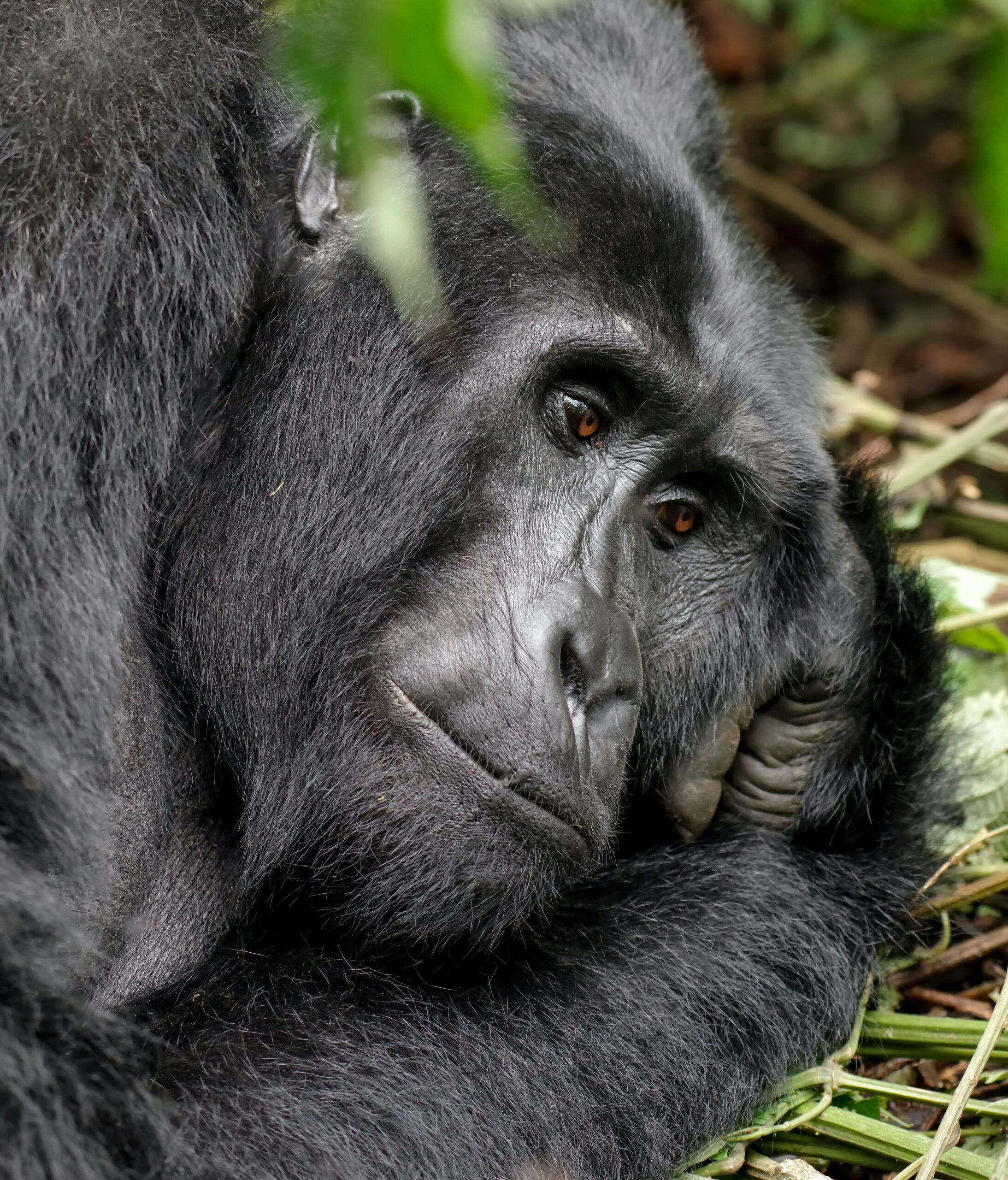
Gorilla Trekking vs Gorilla Watching
Gorilla Trekking vs Gorilla Watching: A Wildlife Adventure Comparison
Introduction
When it comes to wildlife adventures, few experiences can rival the thrill of encountering gorillas in their natural habitat. The majestic and endangered mountain gorillas, found in the dense forests of Africa, have captivated the hearts of nature enthusiasts and wildlife lovers around the world. In recent years, two popular ways of experiencing these incredible creatures have emerged: gorilla trekking and gorilla watching. While both activities offer unique opportunities to observe gorillas up close, there are distinct differences between the two. In this article, we will explore the contrasting aspects of gorilla trekking and gorilla watching, highlighting the benefits and considerations of each.
Gorilla Trekking: An Adventurous Journey
What is Gorilla Trekking?
Gorilla trekking is an exhilarating and physically demanding activity that involves hiking through rugged terrains in search of gorilla families. It typically takes place in national parks such as Bwindi Impenetrable National Park in Uganda, Volcanoes National Park in Rwanda, and Virunga National Park in the Democratic Republic of Congo. During a gorilla trekking expedition, visitors are accompanied by experienced guides and trackers who lead them deep into the forest to locate gorilla groups.
The Thrill of the Hunt
Gorilla trekking offers a unique sense of adventure and discovery. The journey to find gorillas involves traversing dense vegetation, crossing streams, and navigating steep slopes. It requires a certain level of physical fitness and endurance, making it an ideal choice for those seeking an adrenaline rush and a challenging experience. The anticipation of coming face to face with these magnificent creatures adds an element of excitement to the trekking adventure.
Up Close and Personal
One of the main advantages of gorilla trekking is the opportunity to observe gorillas up close in their natural habitat. Once a gorilla group is located, visitors are allowed a limited amount of time to spend with them. This intimate encounter allows for a deeper understanding of gorilla behavior, social dynamics, and their intricate family structures. It is a truly awe-inspiring experience to witness these gentle giants in their natural environment.
Conservation Impact
Gorilla trekking has played a significant role in gorilla conservation efforts. The revenue generated from trekking permits is often used to fund conservation projects, protect gorilla habitats, and support local communities. By participating in gorilla trekking, visitors contribute directly to the preservation of these endangered species and the sustainable development of the surrounding areas.
Gorilla Watching: A Relaxed Observation
What is Gorilla Watching?
Gorilla watching, also known as gorilla habituation, offers a more relaxed and prolonged experience of observing gorillas. It takes place in specific areas within the national parks where gorilla families are being habituated to human presence. Unlike gorilla trekking, which involves tracking gorillas in the wild, gorilla watching allows visitors to spend an extended period of time with a gorilla family, observing their behavior and interactions.
Immersive and Informative
Gorilla watching provides a unique opportunity to immerse oneself in the world of gorillas. Visitors have the chance to witness the daily activities of gorilla families, such as feeding, playing, and socializing. Expert guides and researchers accompany visitors, providing valuable insights into gorilla behavior, conservation efforts, and the challenges they face. This educational aspect of gorilla watching enhances the overall experience and deepens one’s appreciation for these incredible creatures.
Less Physically Demanding
Compared to gorilla trekking, gorilla watching is less physically demanding. Visitors do not have to hike long distances or navigate challenging terrains. Instead, they are stationed in a designated area where they can comfortably observe the gorillas. This makes gorilla watching a suitable option for individuals who may have physical limitations or prefer a more relaxed wildlife encounter.
Contributing to Conservation
Similar to gorilla trekking, gorilla watching also contributes to gorilla conservation efforts. The revenue generated from permits and fees is used to support ongoing research, habitat protection, and community development initiatives. By participating in gorilla watching, visitors actively contribute to the long-term survival of these magnificent creatures and the ecosystems they inhabit.
FAQ: Frequently Asked Questions
Q: How much does gorilla trekking or gorilla watching cost?
A: The cost of gorilla trekking or gorilla watching varies depending on the country and specific national park. Permits can range from $700 to $1500 per person.
Q: Are there any age restrictions for gorilla trekking or gorilla watching?
A: Most national parks require visitors to be at least 15 or 16 years old to participate in gorilla trekking or gorilla watching. This is to ensure the safety and well-being of both visitors and gorillas.
Q: How long does a typical gorilla trekking or gorilla watching experience last?
A: Gorilla trekking experiences usually last between 2 to 6 hours, depending on the location of the gorilla groups and the hiking conditions. Gorilla watching experiences can last up to 4 hours or more, allowing for a more immersive observation.
Q: Is gorilla trekking or gorilla watching harmful to the gorillas?
A: Both gorilla trekking and gorilla watching are carefully regulated to minimize any negative impact on the gorillas. Strict guidelines are in place to ensure a safe distance is maintained, no touching or feeding of gorillas occurs, and group sizes are limited.
Q: Which is better, gorilla trekking or gorilla watching?
A: The choice between gorilla trekking and gorilla watching depends on personal preferences and physical abilities. Gorilla trekking offers a more adventurous and physically demanding experience, while gorilla watching allows for a more relaxed and prolonged observation. Both activities provide unique opportunities to connect with these incredible creatures and contribute to their conservation. Gorilla Trekking vs Gorilla Watching
Conclusion
Gorilla trekking and gorilla watching are two distinct ways of experiencing the wonders of mountain gorillas. Whether you prefer the thrill of an adventurous trek through the wilderness or the immersive observation of gorilla families in a relaxed setting, both activities offer unforgettable encounters with these magnificent creatures. By participating in gorilla tourism, you not only create lifelong memories but also contribute to the conservation of these endangered species and the preservation of their habitats. So, whether you choose to embark on a thrilling gorilla trekking expedition or opt for a tranquil gorilla watching experience, be prepared to be amazed by the beauty and majesty of the mountain gorillas.
Remember, the key to a successful wildlife adventure is to respect the animals and their habitats, follow the guidelines provided by the park authorities, and leave only footprints behind. Let us cherish and protect these incredible creatures for generations to come. Gorilla Trekking vs Gorilla Watching