
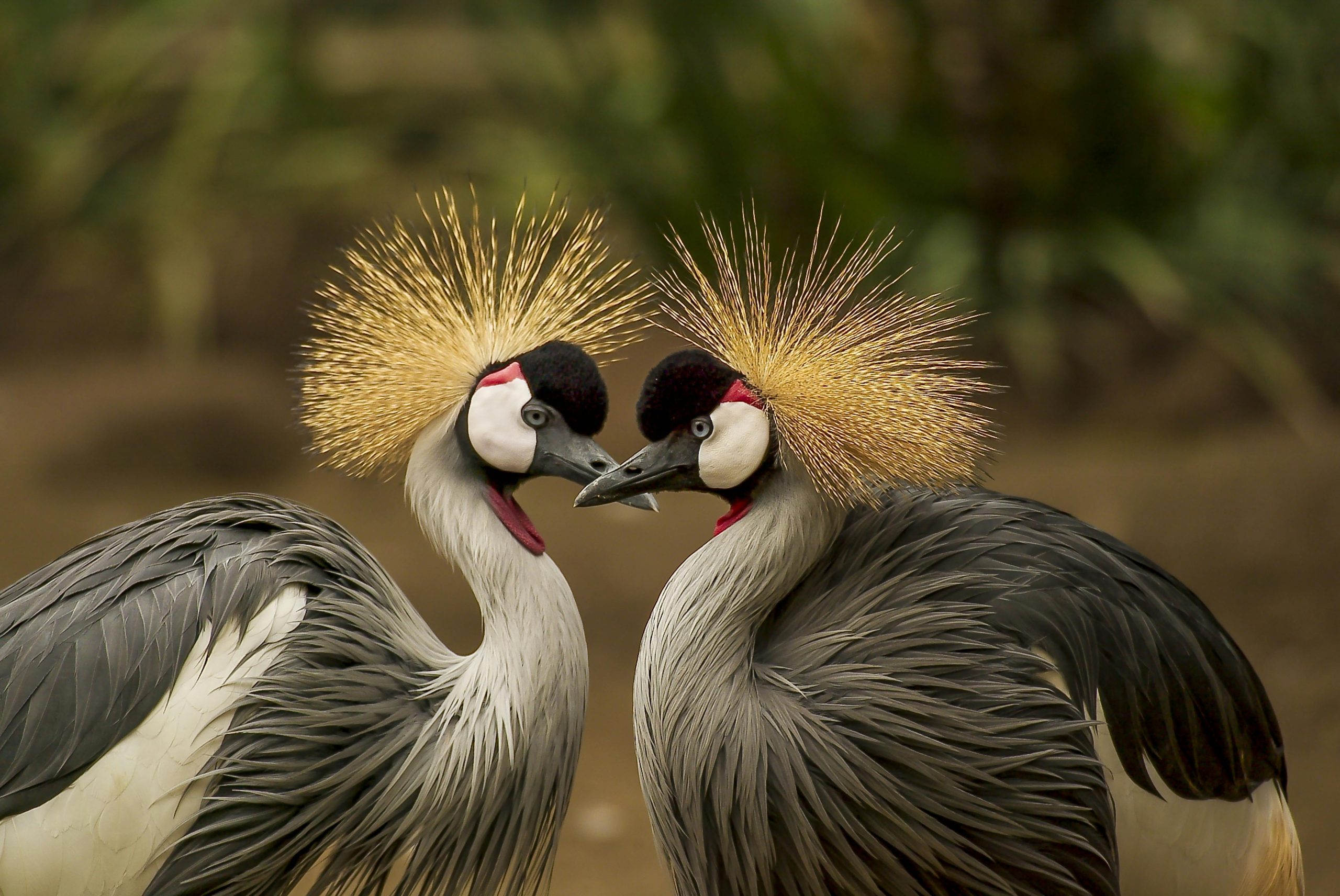
Grey Crowned Crane
Grey Crowned Crane
The Grey Crowned Crane: Africa’s Regal Avian Jewel
Introduction
The Grey Crowned Crane (Balearica regulorum) is one of Africa’s most iconic and majestic birds. With its golden crown of stiff feathers, elegant posture, and graceful dance rituals, this crane is not only a visual spectacle but also a symbol of prosperity and longevity in many African cultures. Native to the wetlands and grasslands of eastern and southern Africa, this bird is a vital part of the ecosystem and a highlight for birdwatchers and wildlife enthusiasts alike.
In this comprehensive guide, we’ll explore the biology, behavior, habitat, and conservation status of the Grey Crowned Crane, while also highlighting the best places to witness this magnificent bird in its natural habitat — especially through expert-led safaris like those offered by Turkana Wildlife Safaris.
The Majesty of the Grey Crowned Crane
Physical Characteristics
The Grey Crowned Crane is instantly recognizable due to its distinctive features:
- Golden crown: A striking tuft of golden feathers adorns the top of its head.
- Grey plumage: Soft, ash-grey feathers cover most of its body.
- White wings: Contrasting white feathers with hints of gold and brown.
- Red throat pouch: Inflates during vocalizations.
- Height: Stands about 1 meter tall.
- Wingspan: Reaches up to 2 meters.
These features make it one of the most photogenic birds on the continent — a dream for wildlife photographers and birding enthusiasts.
Behavioral Traits
The Grey Crowned Crane is known for its:
- Elaborate courtship dances: Involving bowing, jumping, and wing flapping.
- Loud honking calls: Used for communication across distances.
- Monogamous pairing: Mates for life and raises chicks together.
- Omnivorous diet: Feeds on insects, seeds, small mammals, and amphibians.
Their dances are not only for mating but also for bonding and social interaction, making them a delight to observe in the wild.
Natural Habitat and Distribution
The Grey Crowned Crane thrives in the wetlands, grasslands, and savannahs of:
- Uganda (national bird and featured on the national flag)
- Kenya
- Tanzania
- Rwanda
- South Africa
These birds prefer areas near rivers, lakes, and marshes where they can forage and nest safely. One of the best places to observe them is during a Kenya birding safari organized by local experts.
Cultural Significance
In many African cultures, the Grey Crowned Crane is a symbol of:
- Royalty and elegance
- Peace and longevity
- Prosperity and good fortune
In Uganda, it is so revered that it appears on the national flag and coat of arms. Its graceful movements and dignified appearance have inspired countless artworks and folklore throughout East Africa.
Conservation Status
Despite its beauty and cultural importance, the Grey Crowned Crane is classified as Endangered by the IUCN due to:
- Habitat loss: Wetlands are being drained for agriculture and development.
- Illegal trade: Captured for the pet trade or cultural ceremonies.
- Human-wildlife conflict: Nesting areas are disturbed by farming activities.
Conservation efforts are underway, including:
- Wetland protection initiatives
- Community education programs
- Eco-tourism projects like those by Turkana Wildlife Safaris, which promote sustainable wildlife viewing.
Best Places to See the Grey Crowned Crane
1. Lake Nakuru National Park, Kenya
- Rich in birdlife
- Home to flamingos, pelicans, and cranes
- Ideal for photography and birdwatching
2. Queen Elizabeth National Park, Uganda
- UNESCO Biosphere Reserve
- Offers boat safaris and birding walks
- Frequent sightings of cranes in the wetlands
3. Amboseli National Park, Kenya
- Stunning views of Mount Kilimanjaro
- Diverse habitats including swamps and grasslands
- Excellent for spotting cranes and elephants together
4. Ngorongoro Crater, Tanzania
- High-altitude wetland ecosystem
- Cranes often seen near the crater lake
Explore these destinations with a guided East African safari to maximize your chances of sightings.
Birdwatching Safaris with Turkana Wildlife Safaris
Turkana Wildlife Safaris offers specialized birdwatching tours that cater to both amateur and professional ornithologists. Their expert guides know the best spots and times to observe the Grey Crowned Crane and other rare species.
Why Choose Turkana Wildlife Safaris?
- Local expertise and deep ecological knowledge
- Customized itineraries for bird lovers
- Ethical and sustainable tourism practices
- Access to exclusive birding locations
Their birdwatching tours are designed to offer immersive experiences while supporting local conservation efforts.
The Role of Wetlands in Crane Survival
Wetlands are crucial for the survival of the Grey Crowned Crane. They provide:
- Nesting grounds: Safe areas for laying eggs and raising chicks
- Feeding zones: Rich in insects, amphibians, and aquatic plants
- Shelter: Protection from predators
Unfortunately, these habitats are under threat. Conservation organizations and eco-tourism operators like Turkana Wildlife Safaris are working tirelessly to protect these vital ecosystems.
How You Can Help
You don’t have to be a conservationist to make a difference. Here are some ways you can contribute:
- Support eco-tourism by booking with ethical operators like Turkana Wildlife Safaris.
- Donate to organizations protecting African wetlands.
- Spread awareness about the plight of endangered species.
- Avoid buying exotic pets or products made from wildlife.
Fascinating Facts About the Grey Crowned Crane
- It is one of only two crane species that can perch in trees.
- Their chicks can run within hours of hatching.
- They perform dances even outside of mating season.
- They are known to live up to 25 years in the wild.
Frequently Asked Questions (FAQ)
1. Where can I see the Grey Crowned Crane in the wild?
You can see them in various parts of East and Southern Africa, especially in protected areas like Lake Nakuru, Queen Elizabeth National Park, and Amboseli.
2. Why is the Grey Crowned Crane endangered?
Due to habitat destruction, illegal pet trade, and human encroachment on wetlands. Conservation efforts are being led by NGOs and eco-tourism operators like Turkana Wildlife Safaris.
3. What do Grey Crowned Cranes eat?
They have an omnivorous diet that includes:
- Insects
- Seeds
- Frogs
- Small reptiles
- Grains
4. Are Grey Crowned Cranes monogamous?
Yes, they form lifelong bonds and raise their chicks together. Their elaborate courtship dances are a key part of their bonding rituals.
5. How can I book a safari to see the Grey Crowned Crane?
Visit Turkana Wildlife Safaris to explore customized birdwatching and wildlife safari packages.
Conclusion
The Grey Crowned Crane is more than just a beautiful bird — it is a symbol of Africa’s natural heritage and a reminder of the delicate balance between humans and wildlife. As wetlands disappear and ecosystems face increasing pressure, the need to protect species like the Grey Crowned Crane becomes ever more urgent.
By supporting ethical tourism and conservation efforts, you can play a part in preserving this regal bird for future generations. Whether you’re an avid birder or a curious traveler, witnessing the Grey Crowned Crane in its natural habitat is an unforgettable experience — one that awaits you on a Kenya safari adventure with Turkana Wildlife Safaris.