
How Difficult Is Gorilla Trekking
How Difficult Is Gorilla Trekking
How Difficult Is Gorilla Trekking? A Complete Guide to the Challenge, Preparation & Experience
Gorilla trekking is one of the most awe-inspiring wildlife experiences on Earth. The opportunity to observe endangered mountain gorillas in their natural habitat draws thousands of adventurers each year to the dense jungles of Uganda, Rwanda, and the Democratic Republic of Congo. But many travelers ask the same question before booking their permits: How difficult is gorilla trekking?
In this comprehensive guide, we’ll explore the physical and mental demands of gorilla trekking, the factors that influence the level of difficulty, and how you can prepare for this once-in-a-lifetime experience. Whether you’re a seasoned hiker or a first-time adventurer, this article will equip you with everything you need to know.
What Is Gorilla Trekking?
Gorilla trekking is the guided hike through tropical rainforests to find habituated families of mountain gorillas. These treks are conducted in protected areas such as:
- Bwindi Impenetrable National Park – Uganda
- Mgahinga Gorilla National Park – Uganda
- Volcanoes National Park – Rwanda
- Virunga National Park – Democratic Republic of Congo
Treks can last anywhere from 30 minutes to 8 hours, depending on the location of the gorilla family on that day.
How Difficult Is Gorilla Trekking? The Real Answer
The difficulty of gorilla trekking varies widely based on several factors. While some treks are relatively easy, others can be physically demanding and mentally exhausting. Here’s a breakdown of what influences the challenge level:
1. Terrain & Altitude
- Steep Slopes: Many gorilla habitats are located in mountainous regions. Expect steep, muddy, and slippery trails.
- Altitude: Gorilla trekking often occurs at elevations between 2,000 and 3,000 meters (6,500 to 9,800 feet), which can cause shortness of breath and fatigue.
- Dense Vegetation: Trails are often overgrown, requiring guides to clear paths with machetes.
2. Duration of the Trek
- Short Treks: Some gorilla families are located near park entrances, requiring only a 1–2 hour hike.
- Long Treks: Others roam deep into the forest, necessitating 6–8 hours of hiking round-trip.
3. Weather Conditions
- Rainy Season: Trails become muddy and slippery, increasing the difficulty.
- Dry Season: Easier trekking conditions, but still humid and physically demanding.
4. Personal Fitness Level
- Moderate Fitness Required: You don’t need to be an athlete, but a good level of physical fitness is essential.
- Mental Resilience: Patience and determination are vital, especially on longer treks.
Preparing for Gorilla Trekking
Proper preparation can make your gorilla trekking experience more enjoyable and less strenuous. Here’s how to get ready:
Physical Preparation
- Cardio Training: Engage in regular walking, hiking, or jogging.
- Strength Training: Focus on legs, core, and back to handle uneven terrain.
- Altitude Acclimatization: If possible, spend a few days at high altitude before the trek.
Essential Gear Checklist
- Waterproof hiking boots with good grip
- Lightweight rain jacket or poncho
- Long-sleeved shirts and pants (to protect against insects and vegetation)
- Gardening gloves (for grabbing branches)
- Backpack with water, snacks, and camera
- Walking stick (often provided by guides)
Mental Preparation
- Be ready for unpredictable conditions
- Stay flexible with timing
- Embrace the wilderness and its challenges
Comparing Gorilla Trekking in Uganda, Rwanda & DRC
Each country offers a unique trekking experience. Here’s how they compare in terms of difficulty:
| Country | Park | Terrain Difficulty | Trek Duration | Accessibility |
|---|---|---|---|---|
| Uganda | Bwindi | High (steep, dense forest) | 2–8 hours | Moderate |
| Rwanda | Volcanoes | Moderate (open bamboo forest) | 1–6 hours | Easy |
| DRC | Virunga | Moderate to High | 2–6 hours | Challenging (due to political instability) |
Tips to Make Gorilla Trekking Easier
- Hire a Porter: For $10–$20, a local porter can carry your bag and help you navigate tough terrain.
- Start Early: Treks begin in the morning when temperatures are cooler.
- Hydrate Well: Bring at least 2 liters of water.
- Pace Yourself: Guides adjust the pace based on the group’s ability.
- Use Trekking Poles: Helpful for balance and support.
The Reward: A Life-Changing Encounter
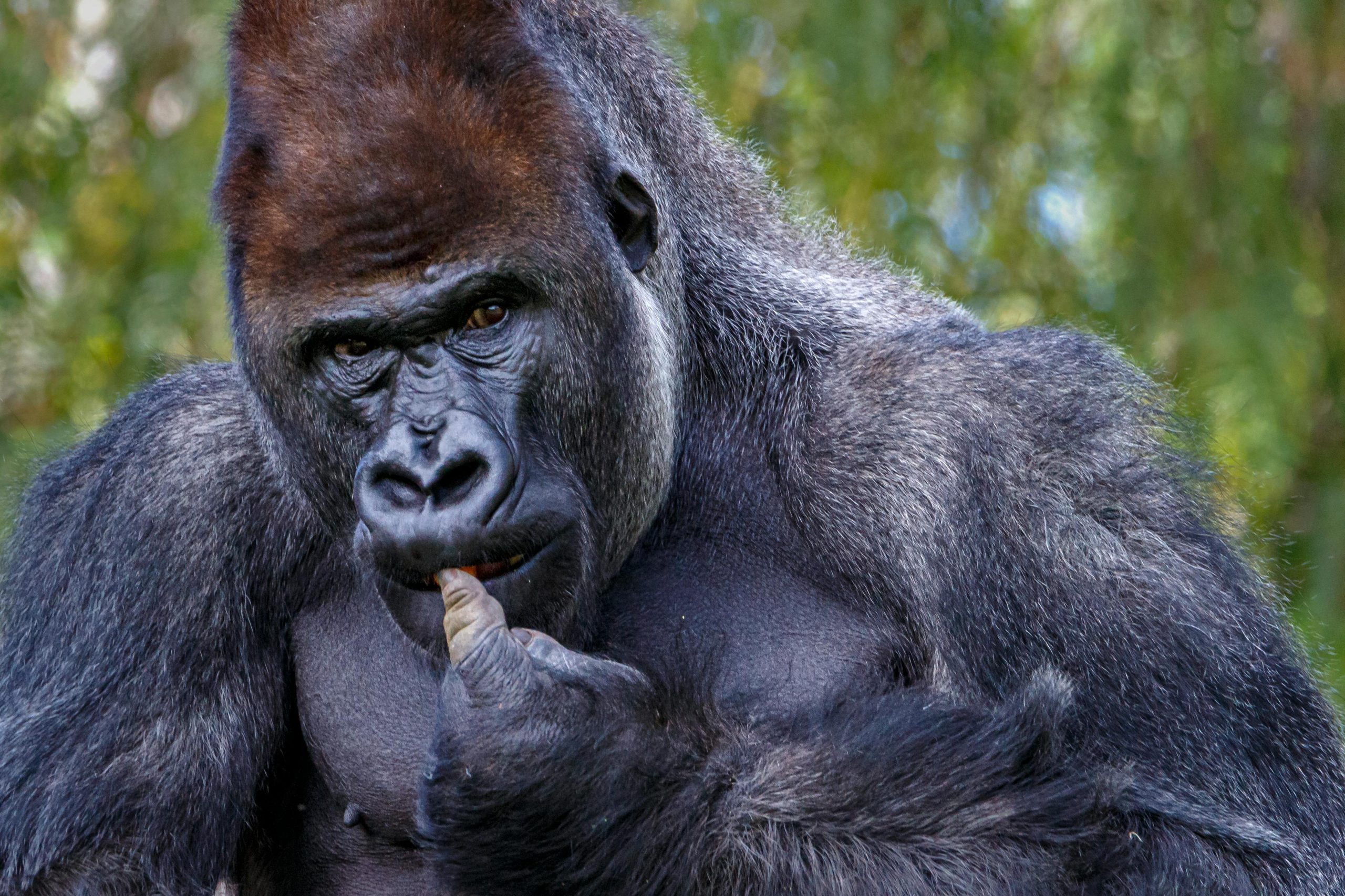
Despite the physical challenges, the moment you lock eyes with a silverback gorilla or watch a baby play in the undergrowth, every step becomes worth it. You’ll spend one magical hour observing these majestic creatures—an experience that resonates deeply and forever.
Gorilla Trekking Difficulty by Age Group
| Age Group | Recommended? | Notes |
|---|---|---|
| 18–35 | ✅ Highly Recommended | Most capable of handling long treks |
| 36–50 | ✅ Recommended | Moderate fitness required |
| 51–65 | ⚠️ Possible | Choose shorter treks |
| 65+ | ⚠️ With Caution | Consult a doctor and choose easier routes |
Environmental & Ethical Considerations
- Gorilla trekking supports conservation through permit fees.
- Group sizes are limited to reduce stress on gorillas.
- Maintain a distance of at least 7 meters.
- Do not trek if you’re sick—gorillas are susceptible to human diseases.
Learn more about gorilla conservation efforts and how your trek helps protect these incredible primates.
Frequently Asked Questions (FAQ)
1. Is gorilla trekking safe?
Yes, gorilla trekking is safe when conducted with certified guides. Rangers are trained to handle wildlife encounters and ensure tourist safety. Read more about safety in gorilla trekking.
2. What is the best time of year for gorilla trekking?
The dry seasons—June to September and December to February—offer the best conditions.
3. Can children go gorilla trekking?
Most parks require a minimum age of 15. This is to ensure safety and reduce the risk of disease transmission. Check the official park regulations.
4. How much does gorilla trekking cost?
Permit prices vary:
- Rwanda: $1,500
- Uganda: $800
- DRC: $400 (as of 2024)
These fees support conservation and local communities. Learn more about gorilla permit costs.
5. What happens if I can’t complete the trek?
If you’re unable to continue, guides will arrange for a return with assistance. In some parks, you may be reassigned to a closer gorilla group the next day. Learn more about trekking policies.
Final Thoughts: Is Gorilla Trekking Worth the Challenge?
Absolutely. While gorilla trekking can be physically demanding, the reward is unparalleled. With proper preparation and the right mindset, almost anyone in good health can complete the trek and enjoy one of nature’s most intimate and powerful encounters.
Whether you choose the misty slopes of Bwindi, the bamboo forests of Volcanoes National Park, or the raw wilderness of Virunga, gorilla trekking is a journey that will challenge your body, stir your soul, and leave you forever changed.