
Where to Find Gorilla Tours
Where to Find Gorilla Tours
Where to Find the Best Gorilla Tours: A Complete Guide for Wildlife Enthusiasts
Gorilla trekking is one of the most exhilarating wildlife experiences on Earth. Imagine standing just meters away from a majestic silverback in the heart of a misty rainforest. Whether you’re a seasoned adventurer or a first-time traveler seeking an unforgettable encounter with nature, this guide will help you discover the best destinations, tour operators, and tips for planning your gorilla tour.
Introduction to Gorilla Trekking
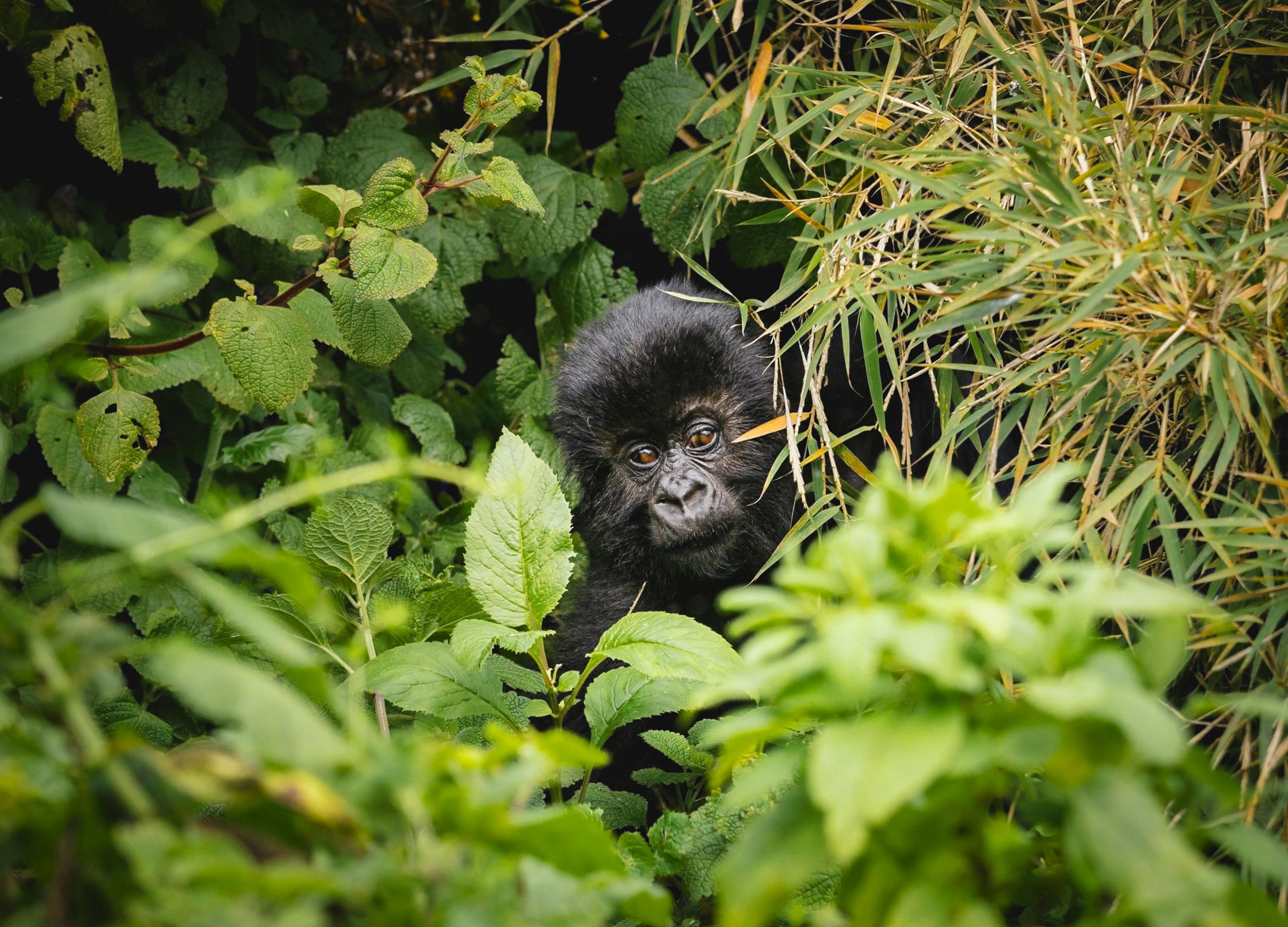
Gorilla trekking involves hiking through dense forests in search of habituated mountain gorillas. These incredible primates share 98% of our DNA and live in only a few protected regions in Central and East Africa. Gorilla tours offer a rare opportunity to observe them in their natural habitat, contributing to both conservation and local economies.
There are two main species of gorillas:
- Mountain Gorillas – Found in the Virunga Mountains and Bwindi Impenetrable Forest
- Lowland Gorillas – Found in the Congo Basin
This article focuses primarily on mountain gorilla trekking, the most popular and accessible form of gorilla tourism.
Top Destinations for Gorilla Tours
Uganda
Uganda, known as the “Pearl of Africa,” is one of the premier destinations for gorilla trekking. The country is home to over half of the world’s remaining mountain gorillas.
Key Gorilla Trekking Sites in Uganda:
- Bwindi Impenetrable National Park
A UNESCO World Heritage Site, this park offers the most extensive gorilla trekking opportunities with over 20 habituated gorilla families. - Mgahinga Gorilla National Park
Smaller but equally rewarding, Mgahinga is part of the Virunga range and offers a more intimate trekking experience.
Why Choose Uganda?
- More affordable permits compared to Rwanda
- Rich biodiversity and birdwatching opportunities
- Cultural experiences with the Batwa people
Rwanda
Rwanda has positioned itself as a luxury gorilla trekking destination. The country’s commitment to conservation and high-end tourism makes it ideal for travelers seeking comfort and exclusivity.
Main Trekking Site:
- Volcanoes National Park
Located in the Virunga Mountains, this park is home to 12 habituated gorilla families and was made famous by Dian Fossey’s research.
Why Choose Rwanda?
- Short drive (2.5 hours) from Kigali International Airport
- High-quality lodges and eco-resorts
- Excellent infrastructure and safety
Democratic Republic of Congo (DRC)
For the truly adventurous, the DRC offers raw, off-the-beaten-path gorilla experiences. Though less developed, it provides access to both mountain and lowland gorillas.
Key Sites:
- Virunga National Park – Africa’s oldest national park and home to mountain gorillas.
- Kahuzi-Biega National Park – Known for eastern lowland gorillas.
Why Choose DRC?
- Unique opportunity to see both gorilla species
- Fewer tourists and more authentic experiences
- Lower permit costs
Best Time to Go Gorilla Trekking
Gorilla trekking is possible year-round, but some seasons are more favorable than others.
Dry Seasons (Best Time):
- June to September
- December to February
These months offer clearer trails and better visibility, making trekking more comfortable.
Wet Seasons (Low Season):
- March to May
- October to November
Trails can be muddy, but the forests are lush and green. Fewer tourists mean more availability and lower prices.
Permits and Regulations
Gorilla trekking permits are mandatory and must be booked in advance.
Permit Costs (as of 2024):
- Uganda: $800 USD
- Rwanda: $1,500 USD
- DRC: $400 USD
Rules to Follow:
- Minimum age: 15 years
- Maximum group size: 8 people per gorilla family
- Time allowed: 1 hour with the gorillas
- Maintain a 7-meter distance
- No flash photography
- Do not trek if you’re sick
What to Pack for a Gorilla Tour
Proper gear is essential for a successful trek through the rainforest.
Packing Checklist:
- Waterproof hiking boots
- Long-sleeved shirts and pants
- Rain jacket or poncho
- Gardening gloves (for gripping vegetation)
- Insect repellent
- Reusable water bottle
- Energy snacks
- Binoculars
- Camera with extra batteries
Responsible Tourism and Conservation
Gorilla tourism plays a vital role in conservation. A significant portion of permit fees supports:
- Anti-poaching efforts
- Veterinary care through organizations like Gorilla Doctors
- Community development projects
- Park ranger salaries
How You Can Help:
- Choose eco-certified lodges
- Avoid single-use plastics
- Respect wildlife and local customs
- Support local artisans and guides
FAQ: Gorilla Tours
1. How physically demanding is gorilla trekking?
Gorilla trekking can range from moderate to strenuous depending on the location of the gorilla family. Treks can last from 1 to 8 hours. A reasonable level of fitness is recommended.
2. Is it safe to go gorilla trekking?
Yes, gorilla trekking is safe when conducted with licensed guides and rangers. The gorillas are habituated to human presence and are generally peaceful.
3. Can I see gorillas without trekking?
No. Gorillas live in remote, forested areas that are only accessible by foot. Helicopter or vehicle access is not possible.
4. Are children allowed on gorilla tours?
Children under 15 are not permitted to trek due to safety and health concerns for the gorillas.
5. How close can I get to the gorillas?
You are required to maintain a 7-meter distance, but gorillas may approach you. Always follow your guide’s instructions.
Conclusion
Gorilla trekking is a life-changing experience that combines adventure, conservation, and cultural immersion. Whether you choose the misty mountains of Rwanda, the dense jungles of Uganda, or the wild frontiers of the DRC, your journey will be unforgettable.