
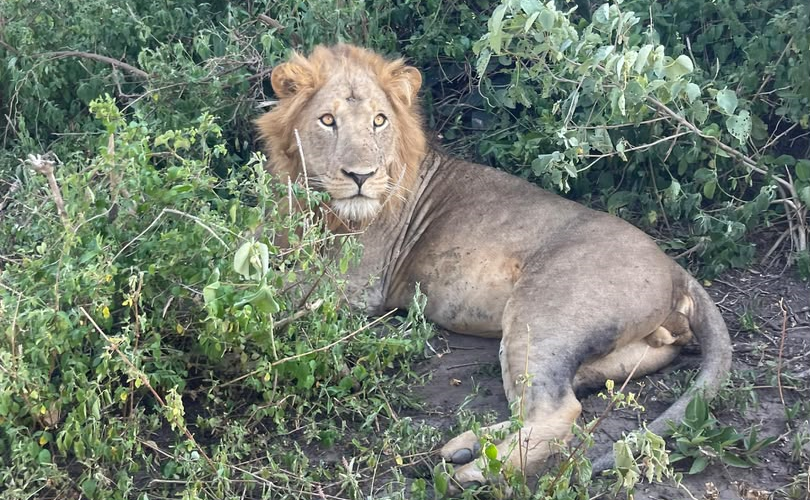
How long are game drives in Uganda
How long are game drives in Uganda
How Long Are Game Drives in Uganda?
A game drive is one of the highlights of a Uganda safari, giving travelers the opportunity to explore savannah landscapes and look for elephants, lions, leopards, buffaloes, giraffes, antelopes, warthogs, hippos and many bird species.
So, how long are game drives in Uganda? A typical game drive lasts about 2 to 4 hours, although the exact duration depends on the national park, wildlife activity, road conditions, route and safari itinerary. Longer drives of 5–8 hours can also be arranged, particularly in larger parks such as Murchison Falls National Park.
Typical Duration of a Uganda Game Drive
Most standard morning and afternoon game drives are planned for approximately 2–4 hours. This provides enough time to explore several tracks, stop for wildlife sightings and photography, and enjoy the scenery without becoming overly tired.
A typical schedule might look like:
- Morning game drive: Approximately 6:00/6:30 AM to 9:30/10:00 AM
- Afternoon game drive: Approximately 3:30/4:00 PM to 6:00/6:30 PM
- Long or extended game drive: 4–8 hours, depending on the park and itinerary
The exact starting and finishing times can vary according to the park, season, lodge location and the day’s safari program.
How Long Is a Morning Game Drive?
Morning game drives commonly last around 3–4 hours. Many travelers leave their lodge early because wildlife is generally more active during the cooler hours of the morning.
An early start can provide opportunities to see animals feeding, moving across the plains or returning from nighttime activity. It is also a comfortable time for photography because temperatures are usually lower and the light can be excellent.
A typical morning could involve:
6:00 AM: Leave the lodge
6:15–9:00 AM: Explore different game tracks and search for wildlife
9:00–10:00 AM: Continue toward the lodge while looking for additional sightings
After 10:00 AM: Return for breakfast, lunch or relaxation
How Long Is an Afternoon Game Drive?
Afternoon game drives generally last around 2–3 hours. They often begin around 3:30 or 4:00 PM and continue toward sunset.
As the temperature becomes cooler, some animals become more active again. The afternoon also offers beautiful lighting for wildlife photography.
A typical afternoon drive might run from 3:30 PM to 6:30 PM.
Can You Do a Full-Day Game Drive in Uganda?
Yes. In some parks, travelers can arrange an extended or full-day game drive, sometimes lasting 6–8 hours, usually with a break for lunch or refreshments.
This can be particularly useful in large parks such as Murchison Falls National Park, where there are extensive wildlife areas to explore.
However, spending an entire day in a safari vehicle is not always necessary. Many itineraries are designed around a morning game drive, a midday rest or other activity, and an afternoon game drive. This gives visitors several wildlife-viewing opportunities while allowing time to relax.
Game Drive Duration by Uganda Safari Destination
Different parks can offer slightly different experiences.
Murchison Falls National Park
Murchison Falls is one of Uganda’s major destinations for traditional savannah game drives. Morning drives commonly last around 3–4 hours, while extended drives can take considerably longer.
The park’s extensive savannah areas provide opportunities to search for lions, elephants, buffaloes, giraffes, Uganda kobs, hartebeests and other wildlife.
Queen Elizabeth National Park
Game drives in Queen Elizabeth National Park commonly last around 2.5–4 hours, depending on the route and wildlife sightings. Areas such as the Kasenyi Plains and Ishasha sector can reward a patient approach because guides may spend additional time searching for particular animals.
Kidepo Valley National Park
Kidepo’s remote landscapes can make longer drives worthwhile. The amount of time spent in the vehicle can depend on the route being explored and the wildlife sightings encountered.
The park is particularly attractive for travelers looking for remote wilderness, large savannah landscapes and species associated with northeastern Uganda.
Lake Mburo National Park
Lake Mburo is relatively compact compared with some of Uganda’s larger parks. Game drives can therefore be shorter while still offering opportunities to see zebras, impalas, buffaloes, elands, giraffes and other wildlife.
Why Game Drives Are Not Always Very Long
A longer game drive does not automatically mean more wildlife sightings.
Wildlife moves according to weather, food availability, water, temperature and natural behavior. During the hottest part of the day, many animals may seek shade or become less active.
For this reason, safari itineraries often focus on the early morning and late afternoon periods rather than keeping visitors in the vehicle continuously throughout the day.
The quality of a game drive is also about how you spend the time, not simply the number of hours. A guide may slow down for an elephant herd, wait quietly for a lion to emerge from vegetation or spend several minutes helping guests photograph a giraffe.
What Happens During a Game Drive?
A game drive is more than simply driving around looking for animals.
Your safari guide normally follows designated tracks while watching for signs of wildlife. The guide may communicate with other guides about recent sightings and may stop the vehicle when animals are spotted.
During a 3–4-hour drive, you may:
- Search for lions and other predators
- Watch elephants and buffaloes
- Look for giraffes and antelopes
- Photograph wildlife
- Identify different bird species
- Explore different habitats and game tracks
- Stop at scenic viewpoints
- Learn about animal behavior and the ecosystem
Because wildlife is unpredictable, one drive might produce several excellent sightings while another may be quieter. This is part of the appeal of a safari.
Is a Longer Game Drive Better?
Not necessarily.
A 3–4-hour game drive can provide an excellent wildlife experience, especially when scheduled during a productive period of the day. Extended drives can be useful when travelers want to explore more territory, spend extra time photographing wildlife or have a particular species they want to search for.
For most travelers, combining a morning and afternoon game drive can provide a good balance between wildlife viewing and relaxation.
Why Choose Turkana Wildlife Safaris Uganda?
Turkana Wildlife Safaris Uganda can help travelers organize Uganda safari itineraries around their interests, available time and preferred destinations.
Whether you want a short game drive in Lake Mburo, wildlife viewing in Queen Elizabeth National Park, an extended experience in Murchison Falls or a longer safari incorporating Kidepo Valley National Park, the itinerary can be planned around the amount of time you want to spend in the wilderness.
With a well-planned safari, game drives can be combined with other experiences such as boat cruises, nature walks, cultural visits, chimpanzee tracking and gorilla trekking.
Frequently Asked Questions About Game Drives in Uganda
1. How many hours is a game drive in Uganda?
A standard game drive generally lasts 2–4 hours, although longer drives can be arranged depending on the park and itinerary.
2. What time do morning game drives start?
Morning game drives commonly begin around 6:00–7:00 AM, depending on the park, lodge location and safari schedule.
3. What time do afternoon game drives start?
Afternoon drives commonly begin around 3:30–4:00 PM and continue toward sunset.
4. Can I request a longer game drive?
Yes. An extended game drive can be incorporated into a safari itinerary, subject to park regulations, route conditions and your schedule.
5. Are full-day game drives available in Uganda?
Yes. Extended drives lasting several hours can be arranged, particularly in larger parks. Breaks for meals and refreshments may be included.
6. Which is better, a morning or afternoon game drive?
Both can provide excellent wildlife viewing. Morning drives offer cooler conditions and early wildlife activity, while afternoon drives offer cooler late-day conditions and good opportunities for photography.
7. Can I do two game drives in one day?
Yes. A popular safari arrangement is an early morning game drive followed by a break at the lodge and an afternoon game drive.
8. Do game drives guarantee seeing lions?
No. Lions are wild animals, and sightings cannot be guaranteed. Experienced guides can, however, use their knowledge of the area and recent sightings to help search for wildlife.
9. Are game drives suitable for families?
Yes. Game drives can be suitable for families, although parents should consider the length of the drive and the age of their children when planning the itinerary.
10. What should I bring on a game drive?
Useful items include binoculars, a camera, sunscreen, a hat, drinking water, comfortable clothing and a light jacket for cool mornings.
Conclusion
Game drives in Uganda typically last about 2–4 hours, with morning drives often lasting around 3–4 hours and afternoon drives around 2–3 hours. Longer drives of several hours can also be organized, especially in larger parks such as Murchison Falls National Park.
Rather than focusing only on the number of hours, a good Uganda safari should allow enough time to explore at a relaxed pace, search for wildlife and enjoy the landscapes. Combining morning and afternoon drives can give travelers different wildlife-viewing opportunities while leaving time to rest and enjoy other safari activities.
For travelers planning a wildlife adventure, Turkana Wildlife Safaris Uganda can help create a safari itinerary that matches your preferred game-drive duration, destinations and overall travel schedule.